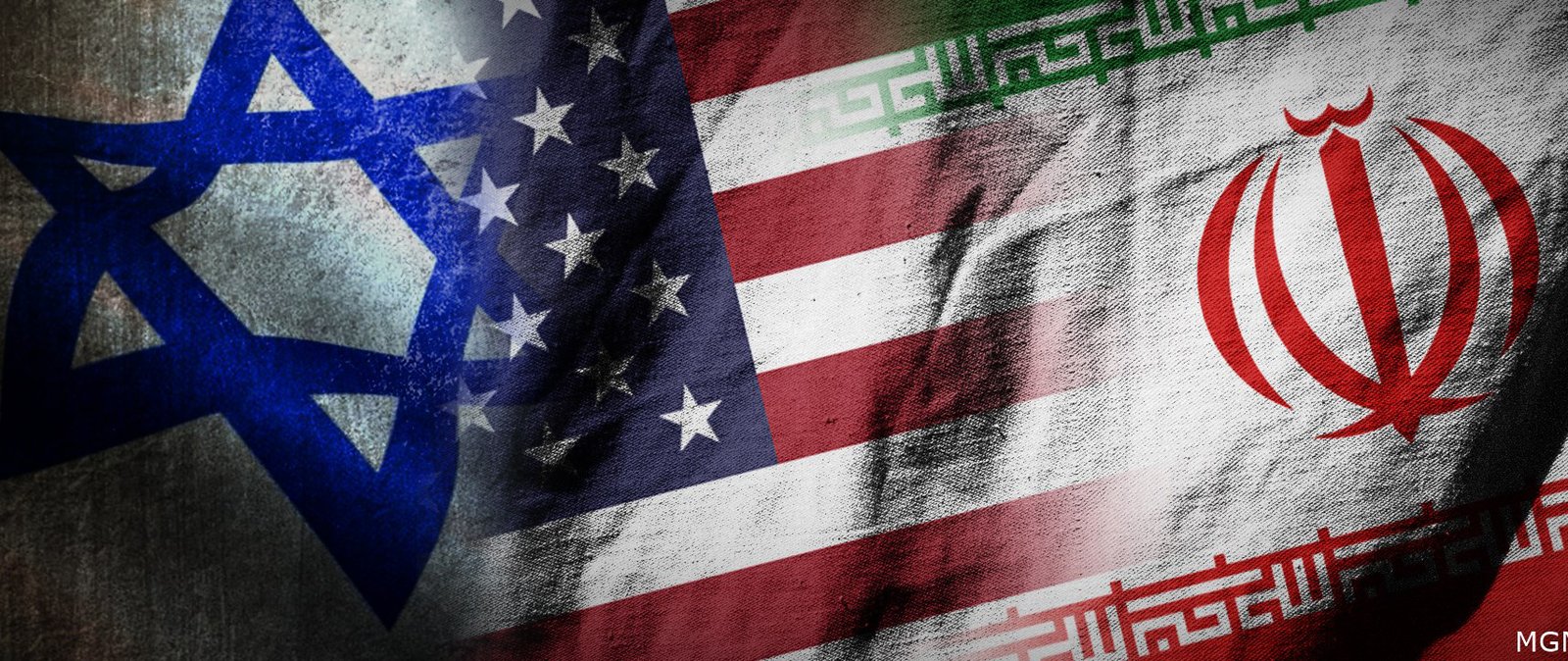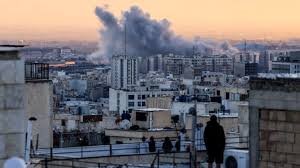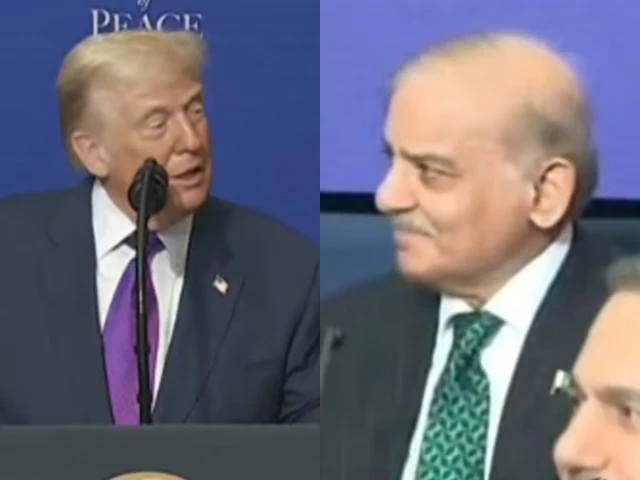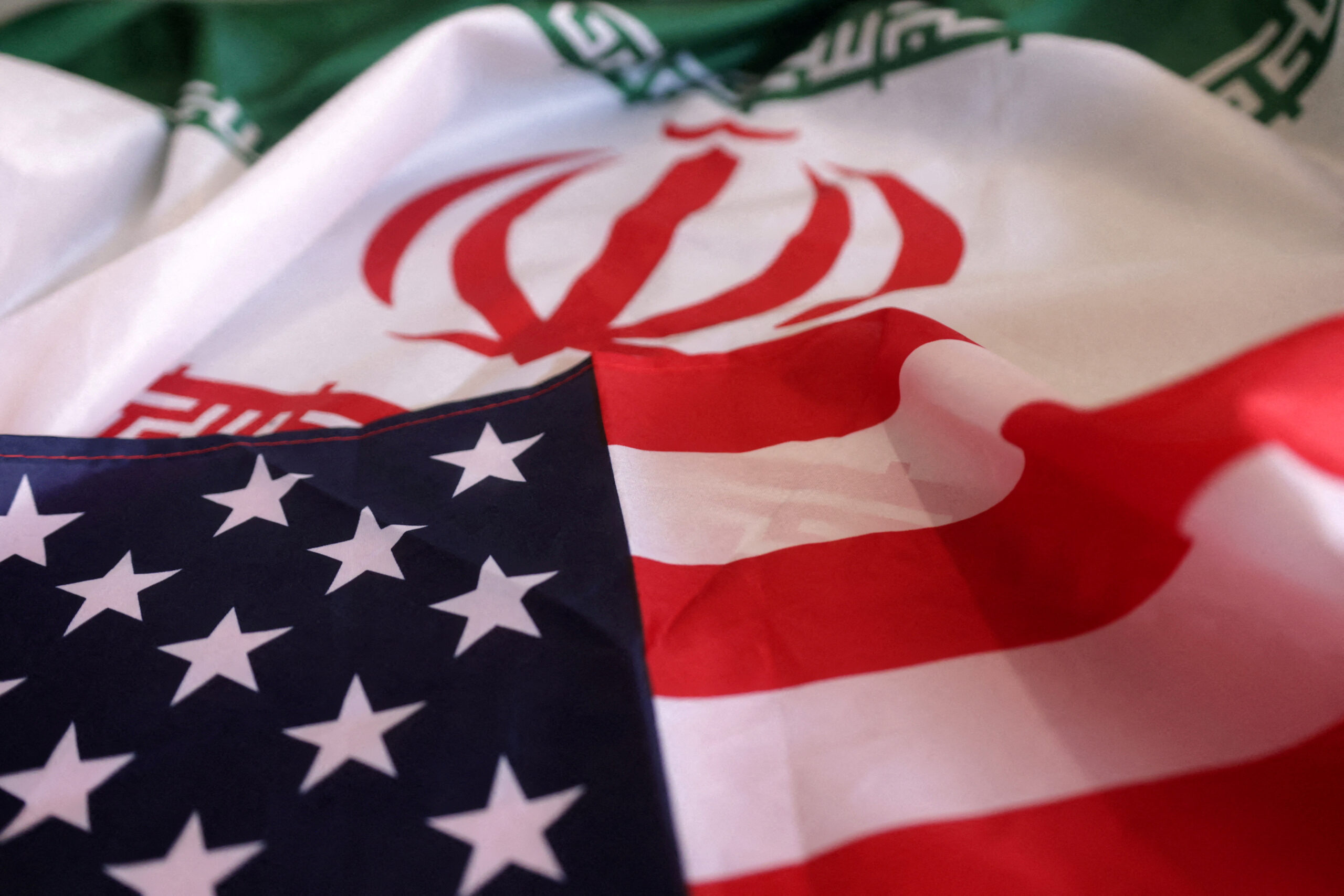

Iran has declared it is “prepared for war” while signaling willingness to negotiate with the United States, following President Donald Trump’s revelation that Tehran sought discussions as Washington considers possible military action during ongoing anti-government protests. Iranian Foreign Minister contacts with Trump’s special envoy, Steve Witkoff, have reportedly taken place in recent days.
The protests, now in their third week, have seen violent crackdowns. A US-based rights group reports over 500 protesters killed and nearly 10,700 arrested. Authorities have imposed a four-day communications blackout, restricting the flow of information.
State media shows Iranian leaders attending pro-government rallies, branding the unrest as “foreign-backed riots.” Supreme Leader Ayatollah Ali Khamenei accused US politicians of deception, reinforcing Tehran’s narrative of external interference.
The unrest has also spread internationally. In Los Angeles, a truck driver was detained after driving through a crowd of anti-Iranian government demonstrators, highlighting the protests’ global resonance.
Iran’s dual approach—public defiance paired with willingness to negotiate—reflects the regime’s attempt to manage both internal dissent and international pressure. The coming days are likely to test whether dialogue or confrontation will define the US-Iran response.