
Tariq Mahmood Awan
Understanding Iran’s potential for regime change demands more than surface-level analysis. It reaches far beyond typical political transitions, embedding itself deeply in history, identity, and ideology. The roots trace back to 1979 and the Islamic Revolution, which dismantled the secular structures that had defined pre-revolutionary Iran. Those structures embodied more than mere governance, they represented a worldview that separated religion from state affairs. While the Pahlavi monarchy ruled, true democracy never took hold. Instead, a distinct cultural ethos prevailed, one aligned with modernity, pluralism, and Persian heritage.
The revolution overturned that ethos and imposed a theocratic order. Today, similar challenges emerge as economic hardships fuel protests, demands for accountable governance rise, and social grievances multiply. These elements layer upon one another, revealing a multifaceted reality that this article examines.
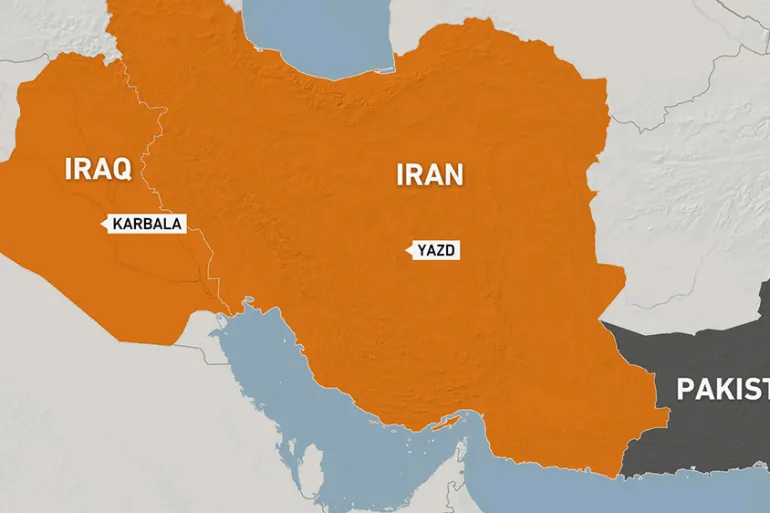
Central to this complexity is Iran’s role as the global heartland of Shia Islam. Shias worldwide regard Iran as their ideological center, their primary source of guidance and pride, much as Sunnis perceive Saudi Arabia. This elevates Iran beyond national boundaries, making it a symbol in the broader Shia-Sunni divide that fractures the Middle East and fuels proxy wars, sectarian tensions, and geopolitical rivalries. Iran embodies an ideological front line where opponents seek its weakening while supporters defend it with unyielding loyalty.
The 1979 events underscore this dynamic. Revolutionary forces triumphed over secular alternatives, though the victors were far from monolithic. Many factions vied for control, but the Shia theocratic vision prevailed, drawing on deep religious convictions that persist today and complicate any push for change.
Iran’s relationship with Islam adds another layer of tension. Persian nationalism confronts a historical truth: Islam originated among Arabs and arrived in Persia through conquest. Iranians often view their pre-Islamic heritage—Zoroastrian roots, ancient empires, cultural achievements, as superior, fueling a nationalism that resists full Arab-Islamic assimilation.
Consider the Iranian diaspora. Over five million Iranians reside abroad, many having fled ideological oppression rather than economic necessity. Most distance themselves from strict Islamic observance, embracing secularism and a nationalism that transcends religion. They reject the regime’s Shia-centric framework, amplifying calls for an Iran unbound by theocracy. They influence global perceptions and lobby for change, yet their secular leanings clash with domestic realities.
The regime’s ideological core ensures its tenacity. It will not yield without fierce resistance. History shows that ideological states fight to extinction, mobilizing believers and justifying extreme measures. Mass suppression becomes a tool for survival. The regime has demonstrated this through crackdowns on dissenters, executions, and propaganda wars, all to preserve the Islamic Republic.
Now reverse the scenario. If protesters overthrow the theocratic leadership, retribution follows: executions of regime figures, purges of loyalists. The cycle of violence endures, with bloodshed defining both sides.
Three truths stand out. First, Iran defies standard models of regime change. Second, this battle concerns the very existence of political Shia Islam. Third, global Shias recognize the stakes. While they dominate Iran and hold majorities in Iraq and Bahrain, with significant minorities in Lebanon and Syria, they may criticize the regime’s policies, corruption angers them, inefficiency frustrates them, yet the ideological foundation binds them. They fear its collapse would empower Sunni or secular dominance or invite foreign exploitation.
Iranians draw lessons from recent history. Western interventions promise much but deliver chaos. Libya descended into factional warfare after Gaddafi’s fall. Afghanistan reverted to Taliban rule following U.S. withdrawal. Iraq fragmented amid sectarian strife. These cases illustrate a pattern: initial support evaporates, commitments prove hollow. Iranians observe this and distrust American pledges. Experience breeds skepticism.
Israel’s involvement intensifies the dilemma, uniting disparate groups against external interference. Progressive Muslims, traditionalists, even liberals recoil. Anti-Israeli sentiment runs deep, stemming from historical grievances, perceived injustices in Palestine, and broader regional dynamics. Conspiracy theories flourish, portraying Israel as a manipulator. For Iranians inside the country, this triggers solidarity. Even diaspora Muslims share this instinct, though secular exiles might differ. For the devout, Israeli backing taints any opposition movement.
At its heart, this conflict pits Persian nationalism against Arab-Islamic identity, incompetent governance against calls for reform, theocratic control against aspirations for freedom. Most critically, it involves safeguarding Iranian Shiaism while nurturing national pride. These forces intertwine, contradict, and reinforce one another. Nationalism borrows from Shia resilience; Shiaism claims Persian exceptionalism. This duality defies easy resolution.
Simple comparisons fail. Iran differs from Libya’s tribal fractures and contrasts with Syria’s ethnic mosaic. Here, ideology permeates society. Even a successful overthrow leaves supporters intact, ready to regroup, launch insurgencies, and sustain resistance. Their commitment to Islamic Shia principles endures. Debates over interpretation arise, methods vary, yet the essence persists. Ideology adapts and survives suppression.
This forms the inescapable reality: undoing the 1979 revolution invites endless strife. Regime change equates to ideological warfare, civil discord without resolution, identity crises without closure.
Iranians confront stark options. Tolerate a flawed theocracy or plunge into anarchy. Pursue incremental reforms or risk violent upheaval. Reclaim Persian nationalism or cling to Islamic unity.
No straightforward paths emerge. Quick resolutions evade grasp. Iran’s trajectory remains uncertain. One certainty prevails: transformation demands immense cost. When it arrives, its reverberations will reshape the Middle East.
The Writer is a civil servant.