Barrister Umair Niazi
Imran Khan, the former Prime Minister of Pakistan, has been a dominant figure in the country’s politics for over two decades. His recent political setbacks have led some to believe that his time is over, but a closer look reveals a nuanced and complex individual who continues to be a significant force in Pakistani society.
Khan’s political journey began after his successful career as a cricketer, which spanned from 1971 to 1992. He captained the Pakistan national team to its first and only World Cup victory in 1992, earning him widespread admiration and respect. He also established the Shaukat Khanum Memorial Cancer Hospital and Research Centre in 1994, in memory of his mother who died of cancer. He later founded another hospital in Peshawar in 2015, and a third one in Karachi in 2020. These hospitals provide free treatment to underprivileged cancer patients and are considered among the best in the region.
He established the Pakistan Tehreek-e-Insaf (PTI) in 1996, aiming to combat corruption and bring about positive change. Despite initial struggles, the party gradually gained popularity, particularly among the youth, who were drawn to Khan’s charisma and anti-establishment message. He also attracted support from various segments of society, including religious groups, ethnic minorities, and civil society activists. He campaigned on a platform of justice, accountability, and welfare, promising to end the status quo and create a “”new Pakistan.””
In 2018, Khan finally achieved his goal of becoming Prime Minister, riding a wave of public support. He formed a coalition government with several smaller parties and vowed to implement his reform agenda. However, his government faced significant challenges, including a struggling economy, deep-seated corruption, and complex geopolitical issues. While Khan’s economic plans were ambitious, they were hampered by various factors, such as the COVID-19 pandemic, the IMF bailout, and the opposition’s resistance. His government also faced criticism for its handling of the inflation, unemployment, and debt crises, ultimately failing to achieve the desired results.
Please, subscribe to the YouTube channel of republicpolicy.com
Despite these economic difficulties, Khan’s social and philanthropic work remains significant. His efforts in education, healthcare, and poverty alleviation have positively impacted the lives of countless Pakistanis. He launched the Ehsaas program in 2019, which is the largest social protection program in the country’s history. It aims to provide cash transfers, health insurance, scholarships, and other benefits to millions of poor and vulnerable people. He also initiated the Naya Pakistan Housing Program, which aims to provide affordable housing to low-income families. These achievements, along with his contributions to sports, showcase his genuine patriotism and dedication to the well-being of his people.
However, Khan’s political career has not been without controversies. His fiery temperament and tendency to make impulsive decisions have often landed him in hot water. The act of dissolving the National Assembly in the face of a no-confidence motion in 2023 was a prime example of this, showcasing a blatant disregard for constitutional norms. He also faced backlash for his remarks on various sensitive issues, such as rape, blasphemy, and Kashmir. His critics accused him of being insensitive, ignorant, and hypocritical, while his supporters defended him as being honest, courageous, and misunderstood.
Furthermore, Khan’s political style has been criticized for being “”absolutist,”” leaving little room for compromise or collaboration with his opponents. He often dismissed them as “”corrupt,”” “”traitors,”” and “”enemies of the state,”” and refused to engage in dialogue or negotiation with them. This approach has contributed to a more tribalistic political landscape in Pakistan, potentially hindering progress on critical national issues. He also faced challenges from within his own party, as some of his allies and cabinet members expressed dissatisfaction with his policies and performance. He also had to deal with defections, resignations, and rebellions from some of his coalition partners, threatening the stability of his government.
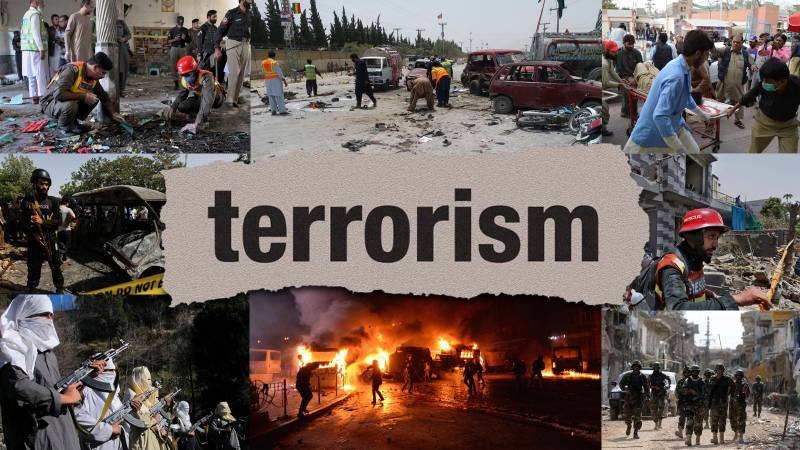
Khan’s relationship with foreign powers, particularly the United States, China, and Saudi Arabia, has also been strained at times due to his outspoken nature and differing geopolitical perspectives. He has been vocal about his opposition to the US-led war on terror and has advocated for a peaceful and inclusive solution to the Afghan conflict. He has also expressed his support for the Kashmiri people’ right to self-determination and has condemned the Indian government’s actions in the disputed region. He has also sought to balance his ties with China and Saudi Arabia, two of Pakistan’s closest allies and economic partners, while maintaining his independence and sovereignty. This has posed additional challenges for his government and subsequent administrations tasked with repairing these damaged relationships.
Despite these shortcomings, it is important to recognize that Khan’s political career has also been marked by remarkable achievements. His rise from a cricket icon to Prime Minister is a testament to his unwavering determination and unwavering belief in his vision for a better Pakistan. His dedication to social welfare and philanthropy continues to inspire many, and his legacy will undoubtedly be debated for years to come.
The true verdict on Khan’s political career ultimately lies with the Pakistani people. Only they can determine whether he is a spent force or a figure who still possesses the potential to shape the future of their nation. They will have to weigh the pros and cons of his tenure and decide whether he deserves another chance or not. Whatever the outcome, Khan’s political journey will remain a fascinating and influential chapter in Pakistan’s history.
Lastly, despite all odds, Imran Khan is the most popular leader in Pakistan, and different surveys reveal that his party is the most popular party in Pakistan and might secure a thumping victory if elections are held freely and fairly. Therefore, the relevance of Imran Khan in Pakistan’s politics is huge. Instead, he is the central figure of Pakistani politics as he is the Centre of his supporters and political foes. Then, he made a very bold decision to appoint Barrister Gohar Khan as the chairman of PTI, and it has further made him relevant in political chess in Pakistan because he has nothing to lose now.
Please, subscribe to the monthly magazines of republicpolicy.com