
Editorial
In the ongoing conflict involving Israel, Iran, and several Middle Eastern states, many analysts believe Israel currently holds a strategic advantage. The regional balance of power appears to be shifting in a way that could benefit Israel, particularly as tensions grow between Iran and some Arab countries.
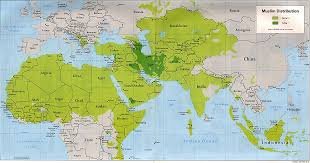
If the conflict expands and draws more regional actors into direct confrontation with Iran, Israel’s position could strengthen further. Rivalries and mistrust between Iran and certain Arab states—especially United Arab Emirates and other Gulf nations—have long shaped Middle Eastern politics. In such a scenario, the confrontation may evolve into a broader struggle for regional influence rather than a unified front against Israel.
Another factor is the economic impact of the crisis. Ongoing instability threatens to slow down trade, investment and economic activity across the Middle East. While many regional economies could suffer, Israel’s relatively diversified economy and strong technological sector may allow it to manage the disruption more effectively than others.
Even if the current war eventually ends, deep political and strategic divisions between Iran and several Arab governments may continue to work in Israel’s favor. The only situation that could significantly challenge Israel’s position would be the emergence of a unified regional alliance in which Iran and major Arab states set aside their differences and coordinate their policies against Israel.