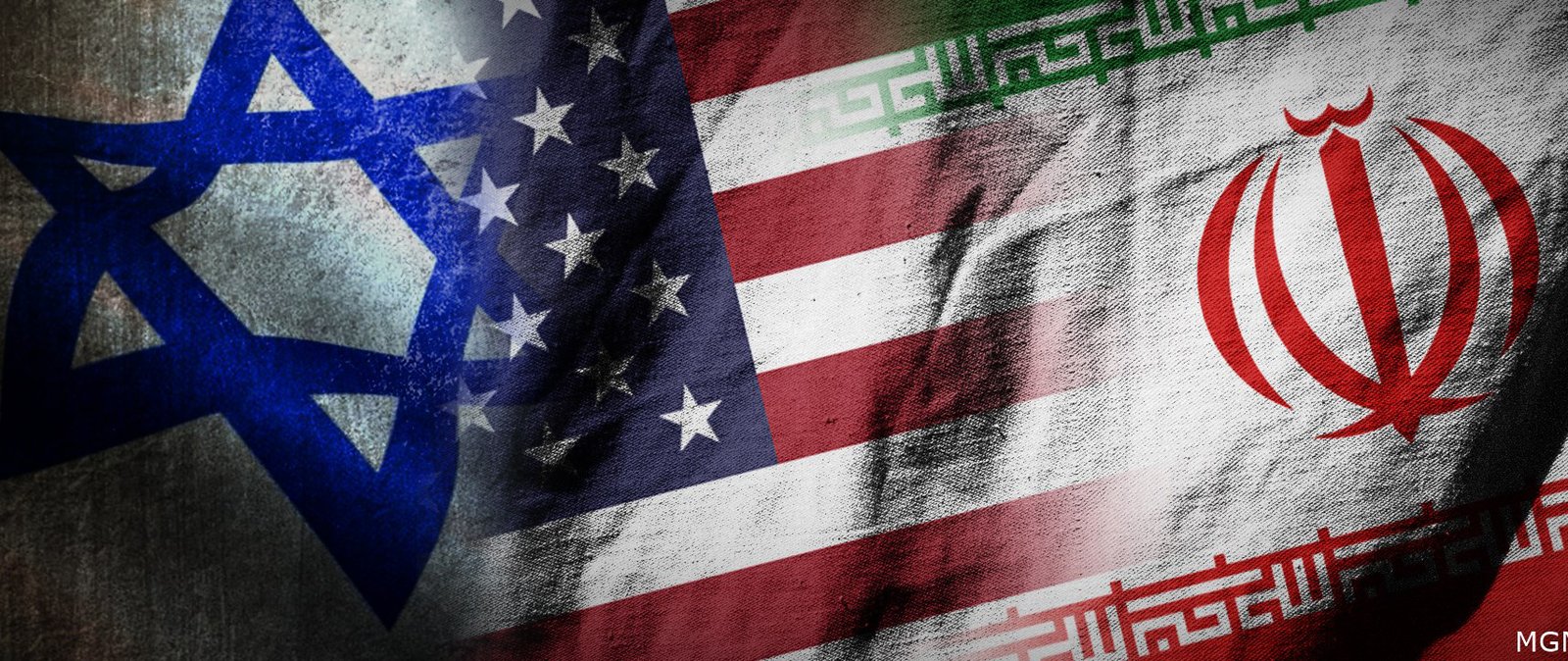

Tensions in the Middle East surged on Saturday, February 28, 2026, after the United States and Israel carried out large-scale joint airstrikes across Iran. The attacks reportedly hit nuclear facilities, missile installations, military command centers, and senior leadership targets.
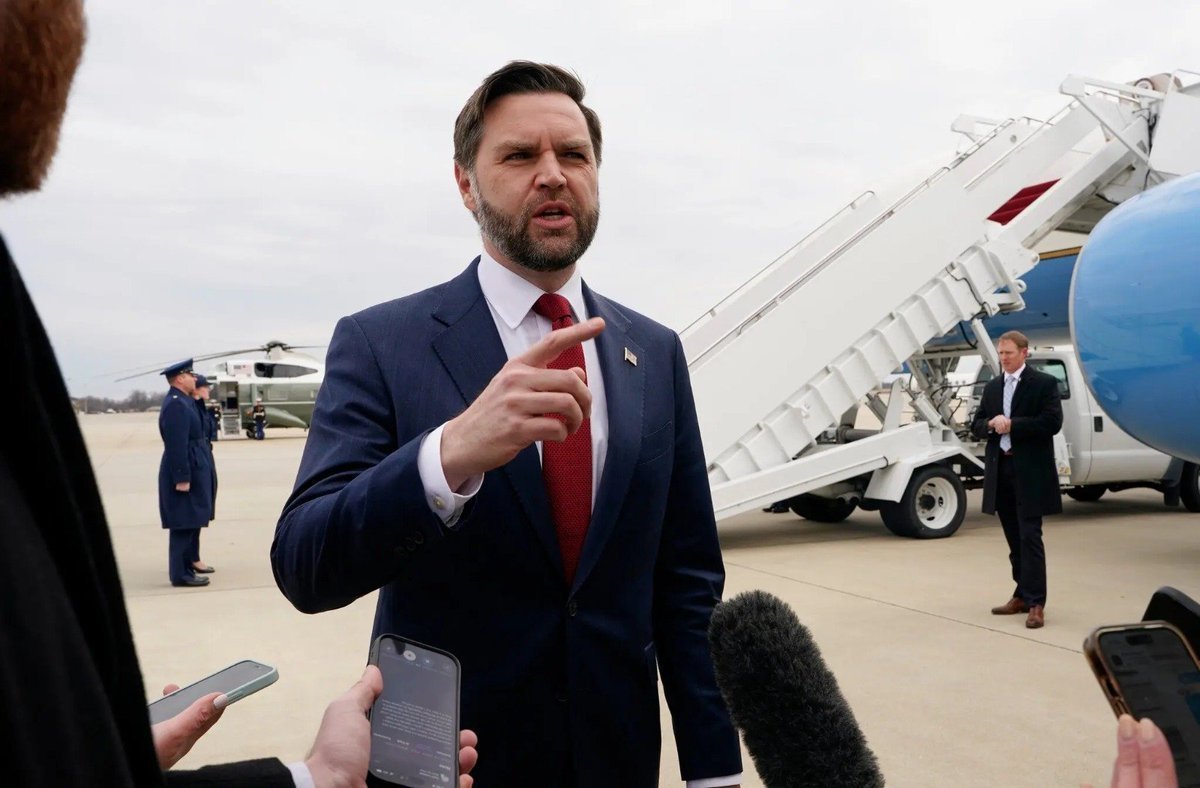
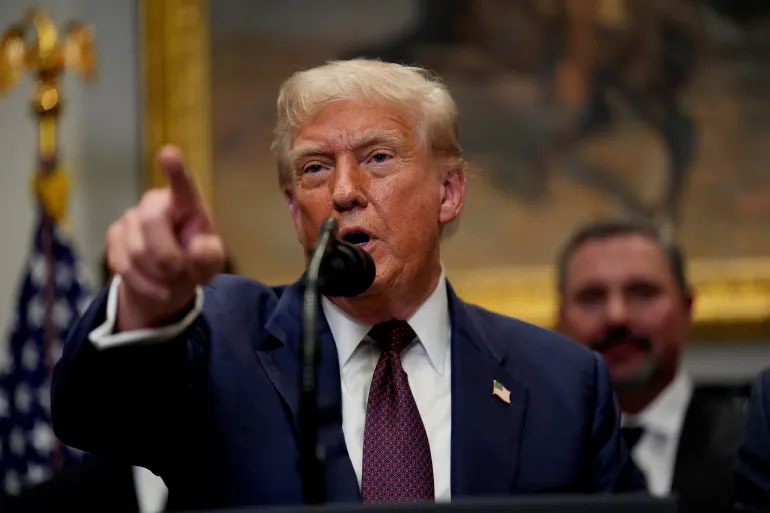
U.S. President Donald Trump described the operation, named “Epic Fury,” as a decisive effort to remove what he called the threat posed by Iran’s nuclear and ballistic missile programs. He also addressed the Iranian public directly, urging them to rise against their government and claim what he termed their freedom.
The strikes came after months of rising tension and followed an earlier round of U.S.–Israeli military action in June 2025. Iran responded swiftly, launching missiles and drones toward Israel and targeting American bases in the region. Early reports suggest that more than 200 people were killed inside Iran. There are also unconfirmed claims that Iran’s Supreme Leader, Ali Khamenei, may have been among those targeted, though no official confirmation has been provided.
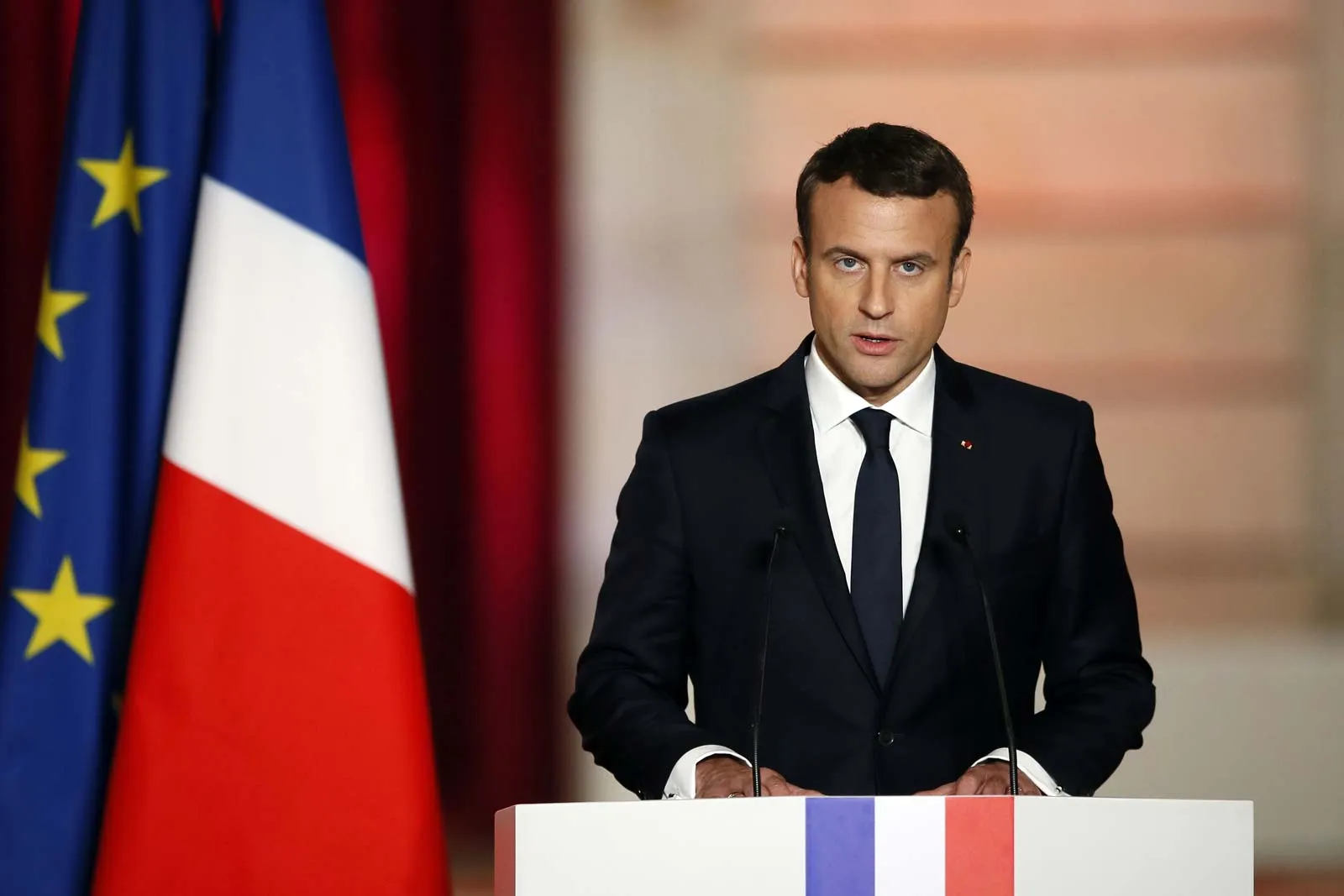
French President Emmanuel Macron reacted with alarm, warning that the escalation could have serious consequences for global peace and stability. He called for an immediate emergency meeting of the United Nations Security Council to address the crisis. France, alongside Bahrain, Colombia, Russia, and China, is pushing for urgent de-escalation.
Macron has also been in contact with leaders across the Gulf region, saying France is prepared to stand by its partners if assistance is requested. At the same time, he urged Iran to stop actions that could further destabilize the region and to return to meaningful negotiations over its nuclear and missile programs. He stressed that the Iranian people should be able to determine their own future freely, without repression.
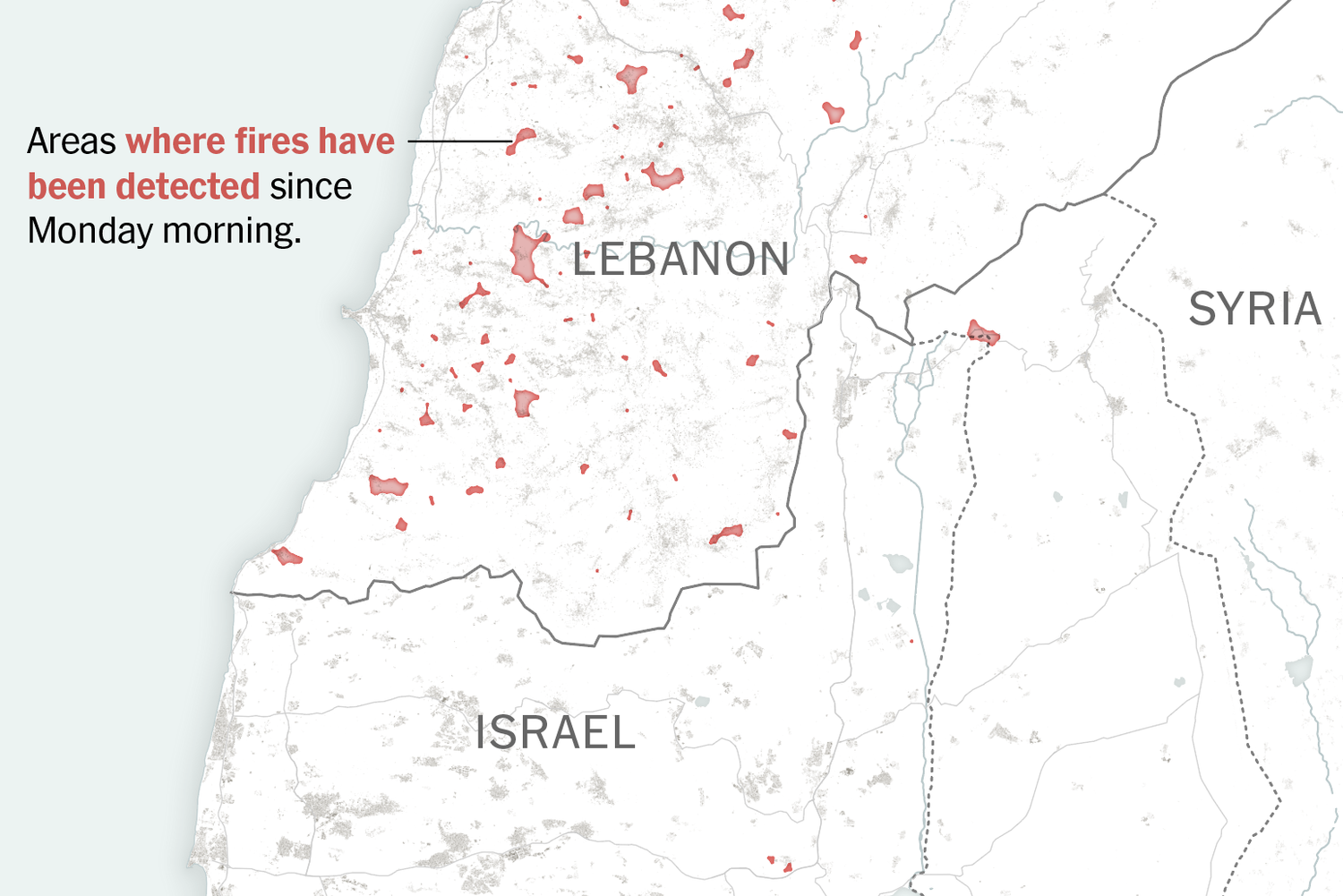
With both sides exchanging strikes, fears are growing that the confrontation could expand into a wider regional war. Governments around the world are closely monitoring developments, concerned that further retaliation could pull more countries into the conflict and deepen instability across the Middle East.