
Editorial
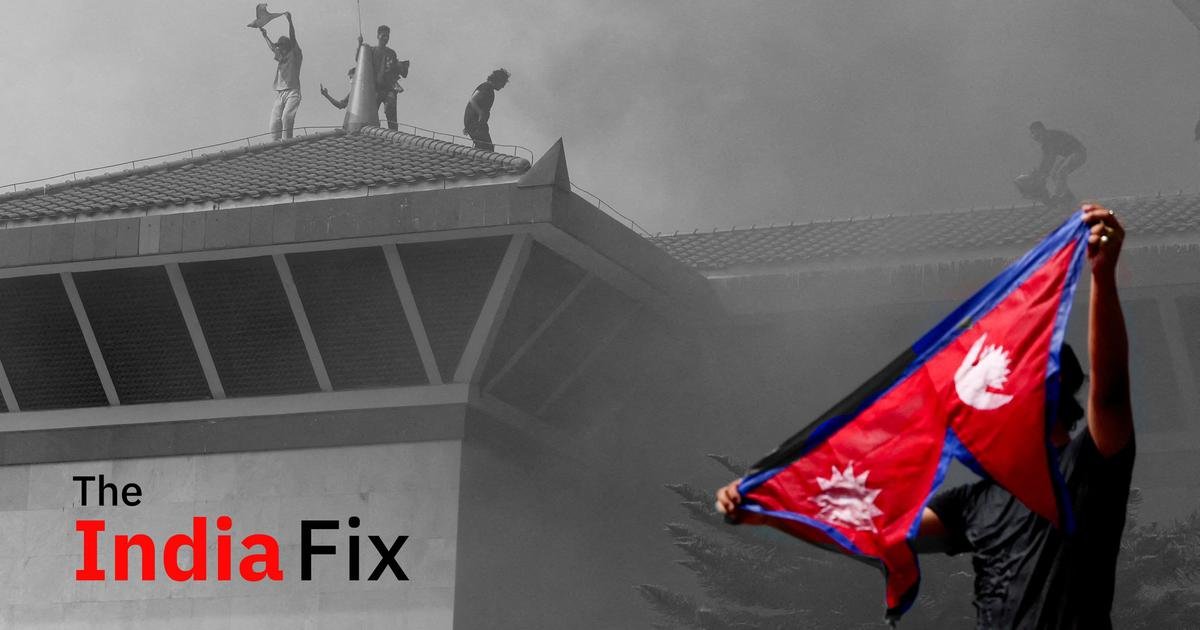
Nepal has erupted into political turmoil, with Prime Minister KP Sharma Oli forced to resign after violent protests claimed more than 20 lives. Triggered by a controversial social media ban, the uprising spread quickly, storming parliament and torching homes of politicians. A nationwide curfew and army deployment underscore the severity of the crisis. For many, the chaos in Kathmandu echoes the upheavals in Sri Lanka (2022) and Bangladesh (2024).
For India, the situation is not just another regional flare-up. Nepal shares deep historical, cultural, and economic bonds with India, including an open 1,750km border and the presence of 3.5 million Nepalis living and working in India. From Gurkha regiments in the Indian army to Hindu pilgrimage ties, the two countries enjoy a unique relationship. That very intimacy, however, makes instability in Nepal a strategic nightmare for New Delhi.
https://www.youtube.com/@TheRepublicPolicy
Prime Minister Narendra Modi expressed anguish over the violence, calling for peace and stability while convening an emergency security meeting. Yet analysts admit India was caught off-guard, much as it was during Sri Lanka’s 2022 uprising. The proximity of China’s Western Theatre Command across Nepal’s borders adds urgency, with Beijing and Delhi competing for influence in the Himalayan nation.
India’s diplomatic challenge is twofold. First, it must navigate ties with all of Nepal’s major political parties—CPN-UML, Nepali Congress, and Maoist Centre—while protesters distrust them all. Second, it must connect with Nepal’s restless youth, whose frustration with governance has fueled the revolt. Expanding scholarships and work opportunities for young Nepalis in India could help build goodwill and stability.
https://facebook.com/RepublicPolicy
The crisis also resurfaces old irritants, such as border disputes over Lipulekh and trade ties involving China. Oli’s resignation has created a power vacuum, but any new administration will still have to face the growing discontent of ordinary Nepalis. For India, ignoring its neighbourhood is no longer an option. Great power ambitions require first securing peace and stability next door.