
Dr Bilawal Kamran
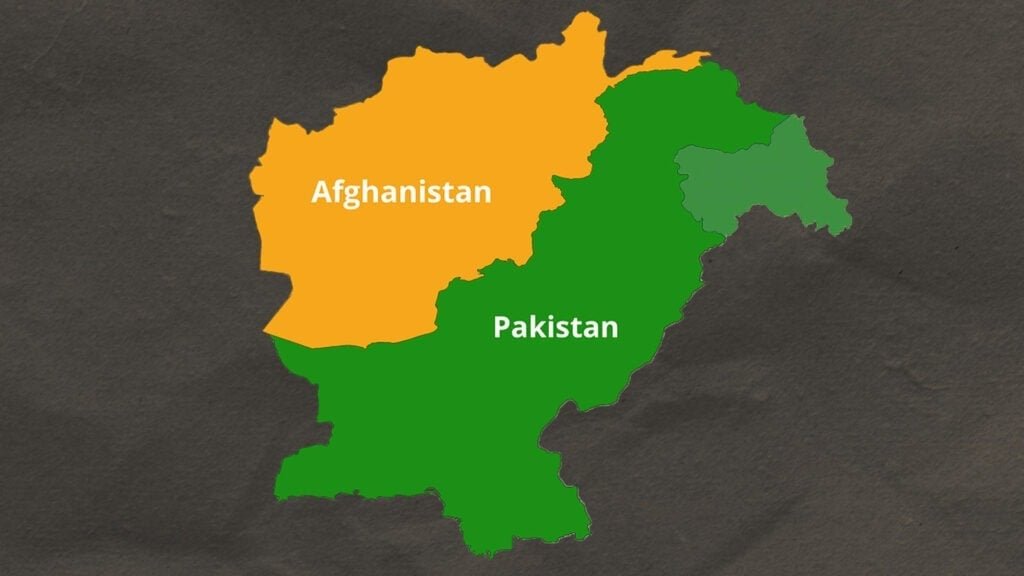
The closure of the Chaman crossing at the Pakistan-Afghanistan border has once again highlighted the vulnerability of border communities caught in conflicts beyond their control. Two months after the October clashes, a Pakhtun tribal jirga has urged authorities to reopen the crossing, drawing attention to the mounting humanitarian and economic toll of a shutdown that has paralyzed life in one of Pakistan’s most marginalised regions.
Chaman is not an isolated case. From Torkham to smaller border points, towns along the northwest frontier depend heavily on the free movement of goods, labour, and people. Local economies are intricately tied to trade, transport, petty commerce, and daily-wage work. When border crossings are abruptly closed, livelihoods vanish overnight. Unlike larger urban centres, these towns lack alternative industries capable of absorbing economic shocks. For shopkeepers, porters, drivers, and traders, prolonged closures are not just inconvenient—they are existential threats.
The human cost of such closures is profound. Families living across borders are bound by kinship, marriage, and work. Extended shutdowns separate parents from children, spouses from each other, and patients from medical treatment. Expired visas and passports often push ordinary travellers into unintentional illegality, compounding their distress. Truck drivers stuck with vehicles carrying migrants’ belongings face food shortages, loss of income, and mounting debt. These households, already precarious, slide further into hardship with each passing day.
The jirga has also highlighted reports of harassment at multiple checkpoints between Chaman and Quetta, exacerbating an already dire situation. Excessive security measures have long restricted mobility in the region, damaging local commerce and eroding trust between citizens and the state. While security concerns along the border are real, policies that punish ordinary people only deepen alienation and instability.
A balanced approach is urgently needed. Reopening border towns with regulated movement, providing humane facilitation for stranded travellers, and ending harassment at checkpoints would not compromise security. On the contrary, it would send a clear message that the lives and livelihoods of peripheral communities matter. Ignoring the plight of these populations risks not only economic stagnation but also long-term social and political alienation in a region that is critical to Pakistan’s stability.
Chaman and other border towns illustrate the fragility of communities living at the edge of the state’s attention. For these residents, borders are not just lines on a map—they are the arteries of daily life. Trade, labour, and family connections are inseparable from movement across these crossings. Any disruption reverberates through entire communities, with consequences that cannot be mitigated by temporary relief measures alone.
Security frameworks must be designed to protect both the state and its citizens. Punitive measures that restrict movement or subject people to harassment at checkpoints risk creating resentment and undermining long-term stability. Instead, policies should focus on facilitating commerce, enabling mobility, and addressing security concerns without unnecessarily penalising the very people who inhabit and sustain these regions.
The October clashes were a reminder that conflicts at the border have human consequences far beyond military calculations. Residents of Chaman, Torkham, and other frontier towns are forced to bear costs they neither caused nor benefit from. Economic paralysis, social disruption, and family separation are daily realities. For policymakers, the challenge is to ensure that border management and security measures serve people rather than punish them.
Reopening the Chaman crossing with careful regulation could offer multiple benefits. It would restore livelihoods, reduce debt and hunger among vulnerable households, and reaffirm the state’s commitment to its citizens in marginalised regions. Beyond economics, such a step would rebuild trust between local communities and authorities, showing that security and human welfare are not mutually exclusive.
In conclusion, the situation at Chaman is emblematic of a broader challenge facing Pakistan’s borderlands. Policies that isolate and punish communities deepen alienation, while humane and regulated facilitation can strengthen social cohesion and economic resilience. Recognising the rights and needs of peripheral populations is not a compromise on security, it is a necessary investment in the stability and prosperity of the frontier.