Mubashar Nadeem
Pakistan’s foreign policy has historically been shaped by a complex interplay of geography, ideology, security imperatives, and economic needs. As a nation situated at the crossroads of South Asia, Central Asia, and the Middle East, with direct borders with India, Afghanistan, China, and Iran, Pakistan faces a unique set of strategic opportunities and vulnerabilities. Yet, despite decades of diplomatic experience, its foreign policy often reflects reactive decision-making, inconsistent strategic priorities, and a reliance on short-term tactical gains rather than long-term vision.
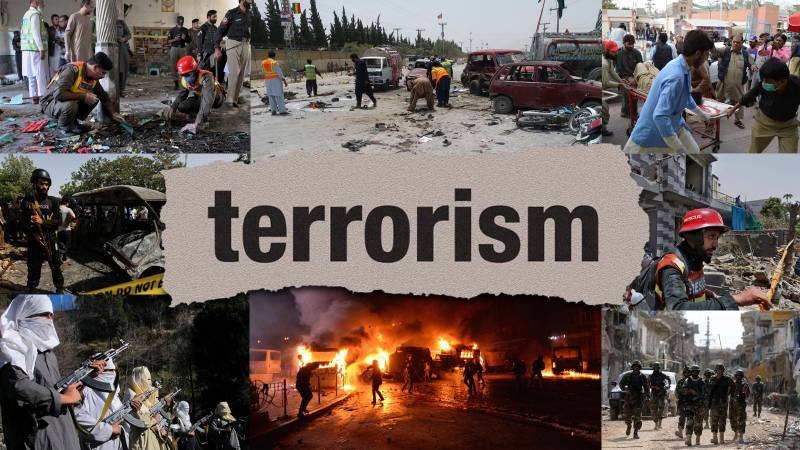
At the heart of Pakistan’s foreign policy challenges is the persistent tension with India. The Kashmir dispute, unresolved since the partition of 1947, continues to dominate the bilateral agenda. While Pakistan has consistently raised the issue in international forums, there is a growing concern that reliance on a confrontational approach has limited Pakistan’s ability to diversify its diplomatic engagements and project itself as a constructive regional actor. Simultaneously, cross-border terrorism and military escalations, whether real or perceived, continue to complicate diplomatic normalization efforts.
Another critical dimension is Pakistan’s relationship with the United States. Historically, the partnership has oscillated between strategic cooperation and mutual suspicion. While U.S.-Pakistan collaboration has been strong in areas such as counter-terrorism and regional security, periods of distrust—particularly over Pakistan’s policies in Afghanistan—have undermined consistent engagement. The U.S. perception of Pakistan as a dual actor—cooperative yet ambivalent—has constrained Islamabad’s ability to secure enduring economic or military support. Furthermore, as global attention shifts toward the Indo-Pacific and great power competition, Pakistan risks marginalization if it does not redefine its value proposition to Washington beyond security considerations.
China represents a relatively stable pillar in Pakistan’s foreign relations. The China-Pakistan Economic Corridor (CPEC) has brought significant economic investment and infrastructure development, bolstering Pakistan’s strategic ties with Beijing. However, this deepening dependence on China also creates vulnerabilities. Economic leverage, debt obligations, and the potential geopolitical perception of Pakistan as overly aligned with China may limit Islamabad’s policy flexibility and reduce its capacity to balance regional relationships, particularly with the Middle East and the United States.
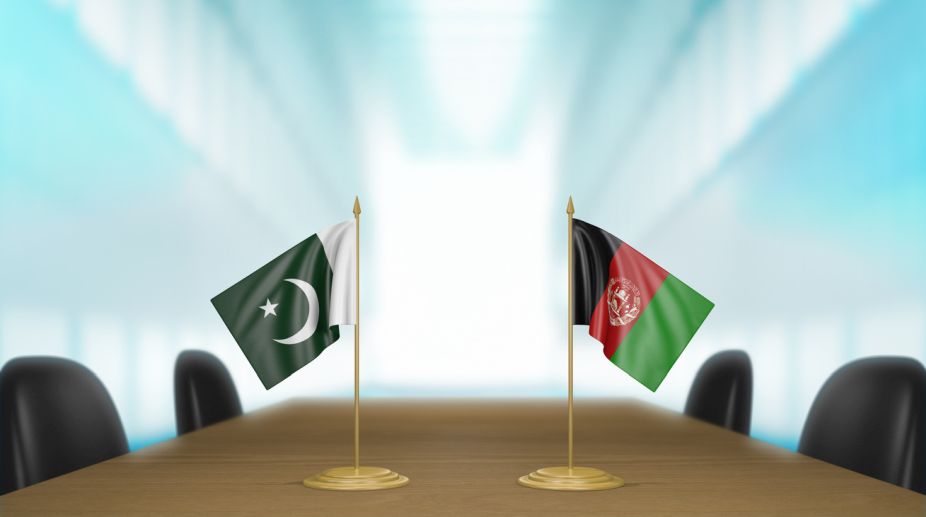
Pakistan’s engagement with Afghanistan remains another persistent challenge. Despite decades of involvement, Islamabad struggles to maintain influence while ensuring stability along its western border. The Taliban’s return to power has created both opportunities for strategic depth and risks of instability spilling over into Pakistan. Moreover, managing international expectations regarding human rights, counter-terrorism, and refugee flows places additional pressures on Pakistan’s diplomatic apparatus.
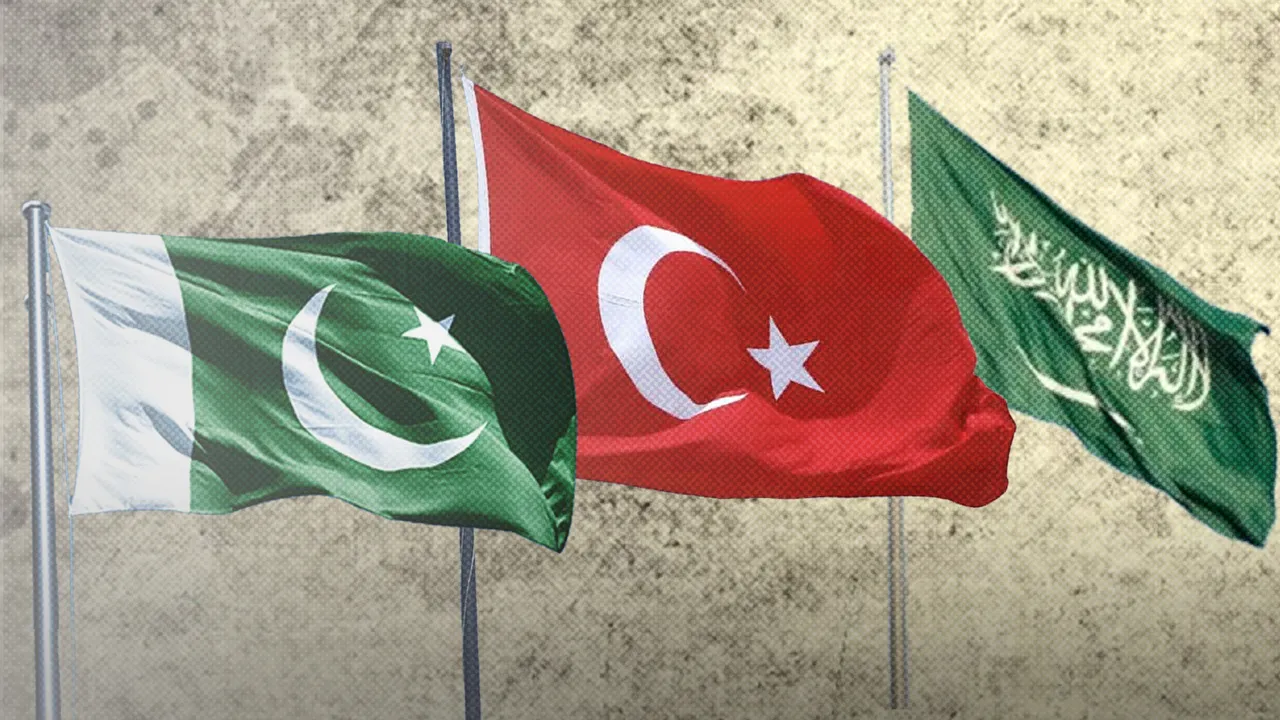
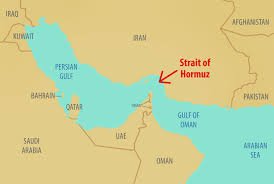
The Middle East is another arena of strategic importance and challenge. Pakistan maintains close ties with Saudi Arabia and the Gulf states, historically relying on financial aid, trade, and labor remittances. However, the shifting dynamics of regional rivalries, particularly between Saudi Arabia and Iran, complicate Islamabad’s position. Pakistan’s policy of strategic neutrality often faces criticism domestically and internationally, particularly when its positions are perceived as inconsistent or overly influenced by economic dependency rather than principled diplomacy.
Beyond these regional dynamics, Pakistan faces the critical challenge of translating foreign policy into tangible economic and social benefits. Despite strategic partnerships, the country struggles to convert diplomatic capital into sustainable trade, investment, and technological cooperation. This reflects a broader structural weakness: foreign policy is often militarily and security-driven, with limited integration into broader national development objectives.
In conclusion, Pakistan’s foreign policy is a mixture of achievements, constraints, and missed opportunities. Its strategic geography, historical alliances, and regional influence provide potential advantages. Yet, the policy often suffers from reactive decision-making, over-reliance on specific partners, and insufficient attention to long-term economic and diplomatic outcomes. Key challenges include managing relations with India, balancing ties with the United States and China, navigating Afghanistan’s instability, addressing Middle East rivalries, and leveraging foreign policy for domestic development.
For Pakistan to adopt a more coherent and effective foreign policy, it must transition from short-term crisis management to a forward-looking strategy that integrates security, economic, and diplomatic objectives. Emphasizing multilateral engagement, diversifying partnerships, and investing in human and institutional capacity are essential steps. Only then can Pakistan realize a foreign policy that is not merely reactive but strategically purposeful, promoting both national security and sustainable development in a rapidly changing global order.