
Editorial
Iran is currently experiencing widespread protests, reflecting growing public dissatisfaction with a regime that lacks broad popular support. While the ultimate political outcome in Tehran remains uncertain, one thing is clear: in the 21st century, no government can maintain long-term stability without the consent of its people. Regimes imposed or sustained through force are particularly vulnerable, and Iran’s ongoing unrest underscores this reality.
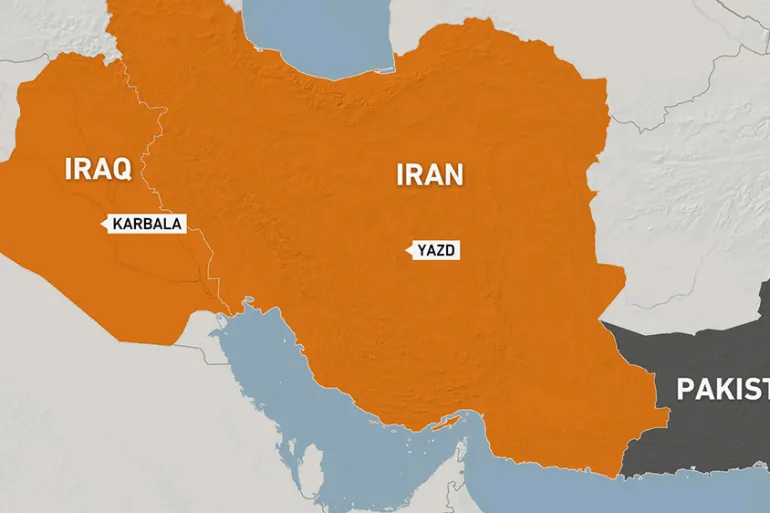
For Pakistan, Iran’s internal instability is not merely an external event—it is a pressing strategic concern. As a neighboring country with deep historical, cultural, and economic ties, any significant upheaval in Iran could have direct consequences for Pakistan. The situation becomes even more complex considering the Baloch population straddles the Iran-Pakistan border. Political instability in Iran could embolden separatist movements or create security vacuums that spill across the border, challenging Pakistan’s own internal security.
The stakes are further elevated by Pakistan’s existing regional challenges. Relations with India remain tense, Afghanistan continues to face political uncertainty, and now Iran’s unrest adds another layer of potential instability. In such a scenario, Pakistan cannot afford to adopt a passive stance. Strategic foresight and internal cohesion are critical. The Pakistani government must not only monitor developments in Iran closely but also prepare to safeguard its own national security and border regions.
One of the most immediate priorities for Pakistan is to ensure domestic consensus on policy responses. The Pakistani population must understand the regional implications of Iran’s unrest and the potential threats it poses. Public awareness and support are vital for a coherent and credible national stance. This includes addressing concerns related to Baloch communities and mitigating any risks of cross-border unrest that could be exploited by non-state actors or foreign powers.
Pakistan also needs to adopt a measured yet firm diplomatic posture. Maintaining open channels of communication with Tehran while signaling its own security priorities is essential. Any overt or hasty intervention could exacerbate tensions, both internally and regionally. At the same time, Pakistan must be prepared to respond swiftly if instability in Iran begins to threaten its borders, trade routes, or internal security. This requires coordination among the military, intelligence, and civilian authorities to ensure a unified and effective approach.
The unrest in Iran also offers lessons in governance and the importance of legitimacy. While Pakistan faces its own internal challenges, including political divisions and economic pressures, the Iranian experience demonstrates the risks of alienating large segments of the population. For Pakistan, the message is clear: sustainable governance, public trust, and proactive management of regional dynamics are critical to national security. Ignoring these lessons could amplify existing vulnerabilities along multiple fronts.
Economic and strategic considerations must also guide Pakistan’s response. Iran plays a key role in regional trade, energy supply, and security frameworks. Any disruption in Iranian stability could affect Pakistan’s energy imports, trade corridors, and regional alliances. Planning for contingencies—including potential refugee flows, border security challenges, and shifts in regional alliances—is essential. Pakistan’s ability to maintain stability while navigating these challenges will be a test of both its strategic foresight and institutional resilience.
In conclusion, Iran’s ongoing protests are more than an internal Iranian issue—they present a complex strategic challenge for Pakistan. The combination of regional volatility, cross-border ethnic dynamics, and the broader geopolitical environment requires Pakistan to exercise caution, foresight, and decisive action. Maintaining domestic cohesion, preparing contingency plans, and projecting confidence in its own governance are essential steps. Pakistan’s leadership must recognize that regional stability, national security, and public trust are interlinked, and mismanaging any one element could have far-reaching consequences.
Pakistan’s approach to Iran must therefore be deliberate, balanced, and informed by both immediate security concerns and long-term strategic interests. By doing so, it can navigate the current crisis while safeguarding its own stability in an increasingly uncertain neighborhood.