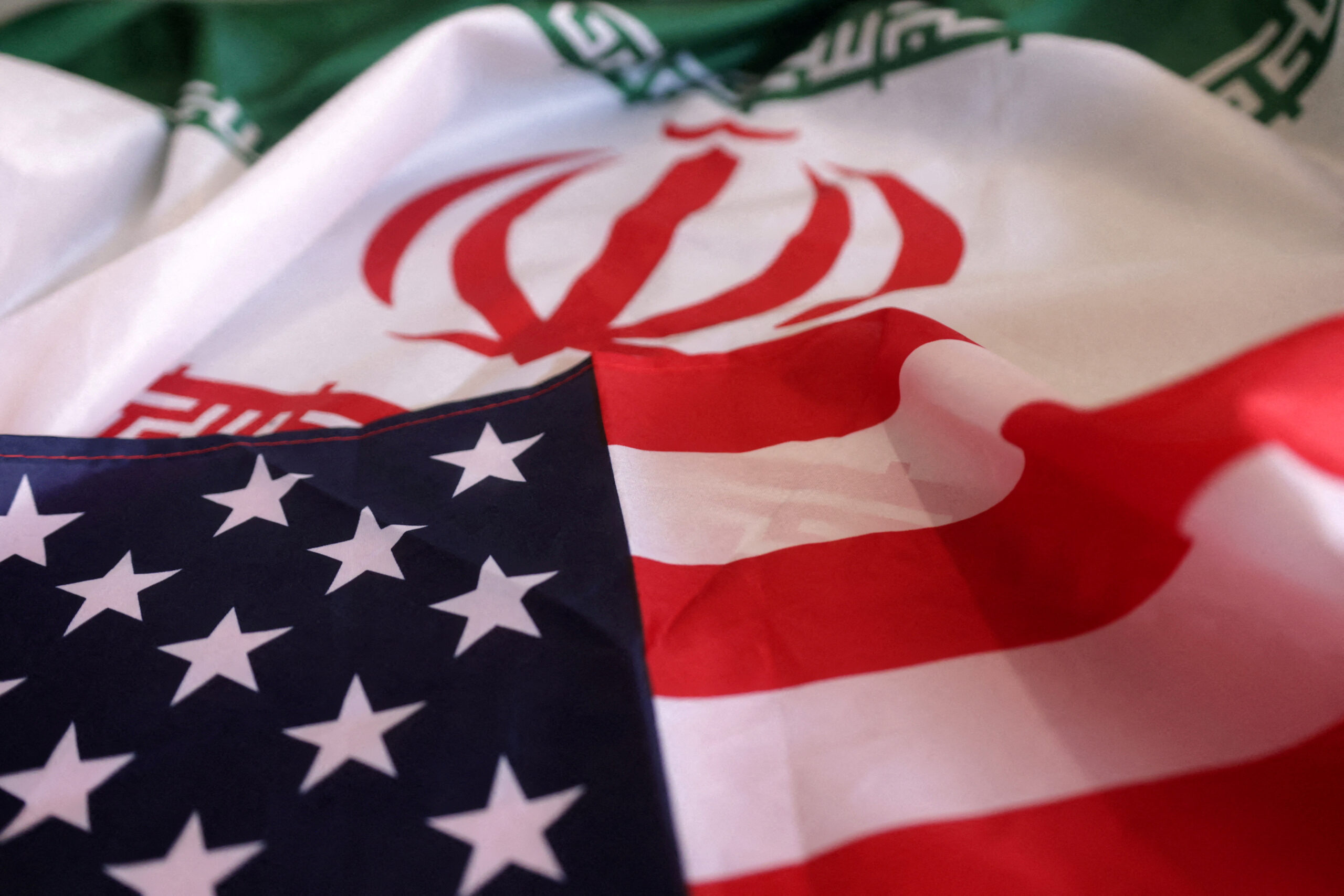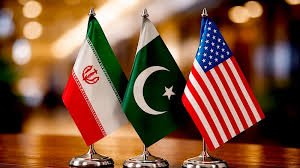

ISLAMABAD: With deep divisions still intact between Washington and Tehran, Pakistan is positioning itself as a facilitator of a realistic but limited outcome from the upcoming US–Iran negotiations set to begin in Islamabad on Saturday. Officials say the immediate goal is not a final peace agreement, but to secure enough common ground for both sides to continue dialogue.
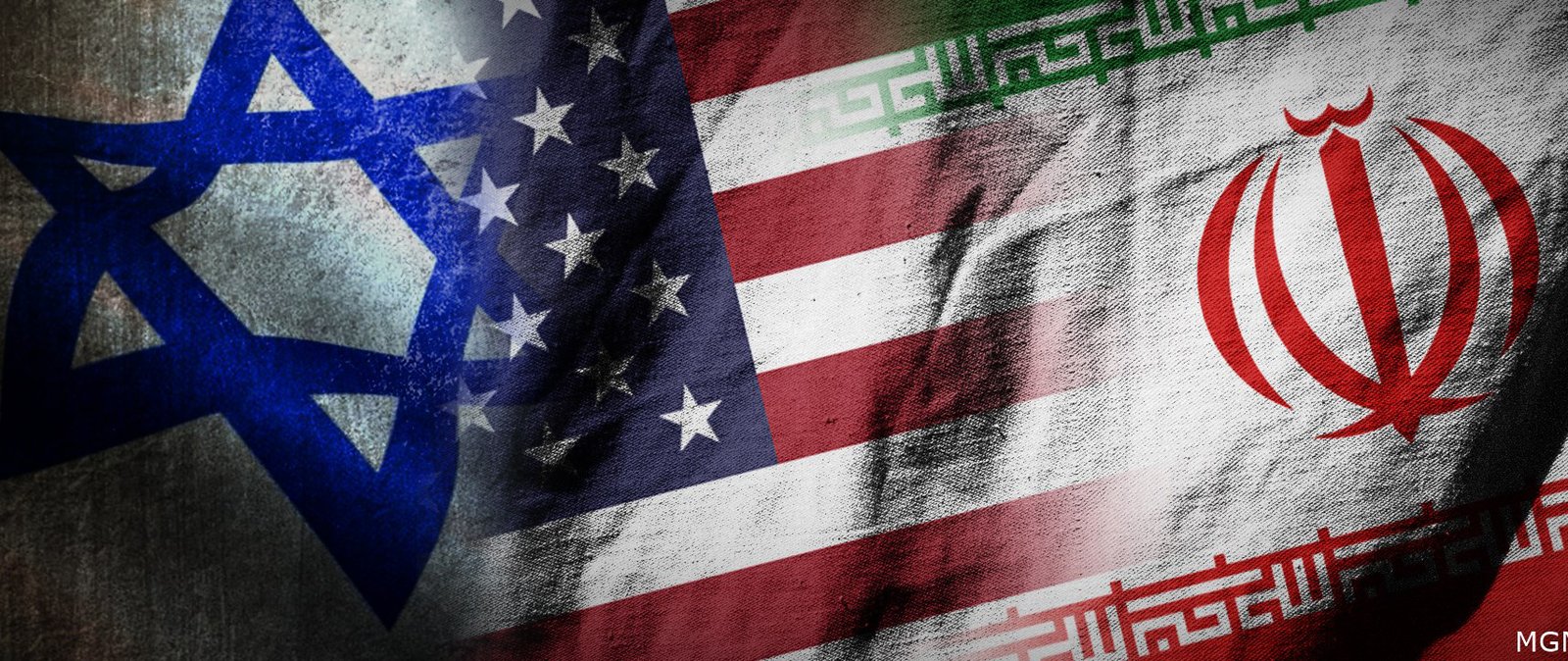
The talks come at a fragile moment, just days after a Pakistan-mediated ceasefire between the United States and Iran, and six weeks after a sharp escalation in regional conflict involving the United States, Iran, and Israel.
High-level delegations arrive amid cautious expectations
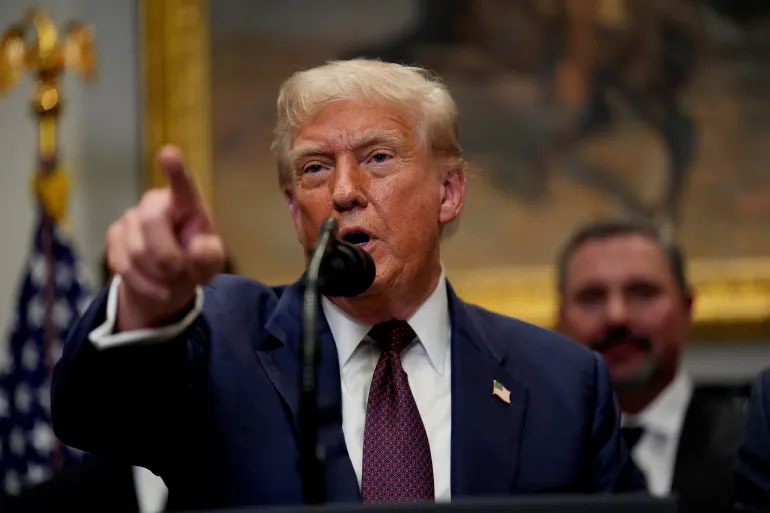
The US delegation is being led by Vice President JD Vance and includes senior figures such as Trump’s chief negotiator Steve Witkoff and adviser Jared Kushner. Iranian representation has not been officially confirmed, but Foreign Minister Abbas Araghchi and Parliament Speaker Mohammad Bagher Ghalibaf are widely expected to lead Tehran’s team.
The talks are being held in Islamabad under a “proximity format,” meaning the two sides will not meet face-to-face. Instead, they will sit in separate rooms at a hotel, with Pakistani officials shuttling messages between them.
Diplomats describe the process as carefully managed and deliberately low-risk, designed to prevent breakdowns while keeping communication alive.
Pakistan’s mediation strategy: keep talks alive, not solve everything
Officials in Pakistan say the objective is modest: to secure an agreement that both sides will continue negotiations rather than walk away.
A former Pakistani envoy said Islamabad has already achieved a key milestone by bringing both sides to the table.
“This is about keeping the process alive,” one senior diplomat said, adding that deeper compromises will take time.
Pakistan has intensified diplomatic outreach in the run-up to the talks, engaging more than two dozen world leaders and foreign ministers in just 48 hours. Support has come from figures including UN Secretary-General António Guterres, French President Emmanuel Macron, and Turkish President Recep Tayyip Erdoğan.
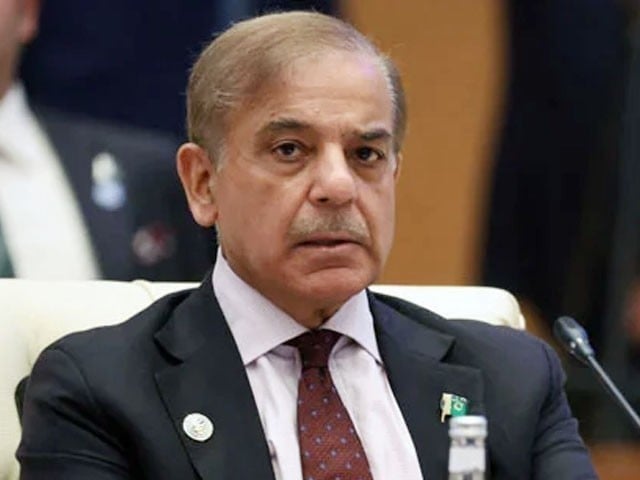
Prime Minister Shehbaz Sharif has also held multiple calls with global leaders, reinforcing Pakistan’s role as a neutral facilitator.
A fragile ceasefire under pressure
The negotiations follow a recently brokered ceasefire between Washington and Tehran, which temporarily eased tensions after months of confrontation involving the United States, Iran, and Israel.
However, the agreement remains under strain. Renewed Israeli strikes in Lebanon have already triggered warnings from Tehran that the truce could collapse if hostilities continue.
Iranian officials argue that escalation in Lebanon undermines the spirit of the ceasefire, while Washington maintains that Lebanon falls outside the agreement’s scope.
Israeli Prime Minister Benjamin Netanyahu has also signaled continued military pressure on Hezbollah while simultaneously expressing openness to future dialogue with Lebanon.
Core disagreements remain unresolved
Despite diplomatic momentum, major gaps persist between the two sides.
The United States is expected to push for strict limits on Iran’s nuclear programme, including verification mechanisms and restrictions on uranium enrichment.
Iran, meanwhile, is demanding full sanctions relief, recognition of its right to enrich uranium, and compensation for wartime damages.
A further point of tension is the Strait of Hormuz, through which nearly one-fifth of global oil trade passes. Tehran retains the capability to disrupt shipping in the region, making it a critical leverage point in negotiations.
Analysts say even partial movement—such as extending the ceasefire or agreeing on principles of continued dialogue—would be considered a success at this stage.
Limited expectations, global attention
Experts involved in or close to the mediation effort caution that no major breakthrough is expected in the first round.
Instead, the focus is on establishing procedural continuity and preventing a collapse of the fragile diplomatic opening.
Observers note that Pakistan’s ability to host both delegations under neutral conditions has already been seen as a diplomatic achievement.
“The fact that both sides agreed to come is itself significant,” one analyst said, adding that trust-building will take sustained engagement.
A cautious opening for diplomacy
As delegations arrive in Islamabad, the tone from Washington remains cautiously optimistic. Vice President JD Vance said the US team expects “positive but firm” discussions, warning that goodwill must be matched by seriousness from Tehran.
For Pakistan, the stakes are diplomatic rather than military: sustaining momentum, preventing escalation, and positioning itself as a credible mediator in one of the world’s most volatile geopolitical crises.
Whether the talks produce a breakthrough or simply another round of dialogue, Islamabad’s immediate goal remains unchanged—keep the process alive long enough for peace to remain possible.