
Editorial
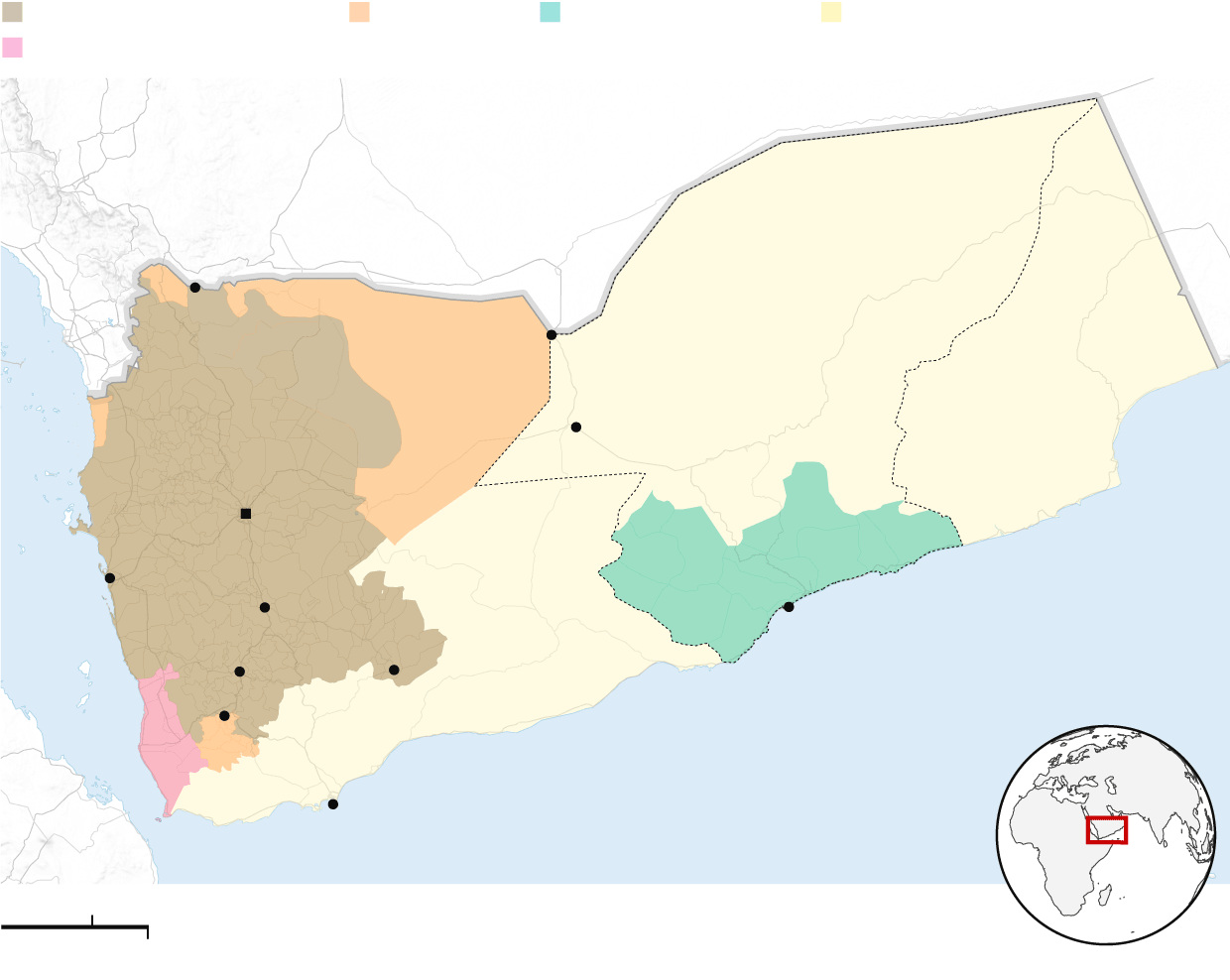
Rising tensions between Saudi Arabia and the United Arab Emirates over Yemen have pushed the region into a dangerous moment. What began as quiet rivalry has now moved into the open, with Riyadh effectively accusing Abu Dhabi of backing actions that threaten Saudi national security. At the heart of the dispute lies the growing strength of the Southern Transitional Council (STC) and the real possibility of an independent southern Yemeni state. If mishandled, this confrontation could ignite a new civil war in southern Yemen and spill into other regional flashpoints, from Sudan to the Horn of Africa.
For Pakistan, the situation demands caution, balance, and responsible diplomacy. Saudi Arabia and the UAE are not only close friends but also strategic partners of Islamabad. Pakistan has deep economic, political, and defence ties with both countries, and taking sides would be neither wise nor in the national interest. Neutrality, however, must not mean silence or disengagement.
Pakistan has a strong record of advocating dialogue in regional conflicts and enjoys credibility in both Riyadh and Abu Dhabi. Rather than aligning with one camp, Islamabad should use its diplomatic capital to encourage restraint, de-escalation, and negotiation. A prolonged Saudi-UAE confrontation would only benefit destabilising actors, particularly the Houthis, while further fragmenting Yemen and undermining regional security.
Islamabad should quietly urge both Gulf partners to prioritise Yemen’s unity and political settlement through inclusive dialogue. The focus must remain on preventing Yemen from becoming a battlefield for competing regional ambitions. Pakistan can also support international mediation efforts, including those led by the United Nations, and offer itself as a trusted facilitator if required.
At a time when the Muslim world faces multiple crises, division among key regional powers is a luxury the region cannot afford. Pakistan’s principled neutrality and constructive engagement can help lower tensions and contribute to a peaceful outcome. Acting as a bridge rather than a bystander is not just diplomacy—it is a strategic responsibility.