
Editorial
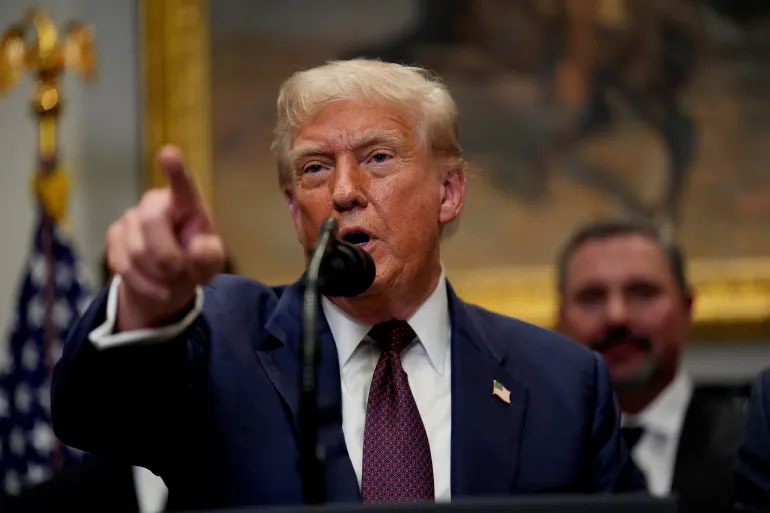
On February 28, the United States and Israel launched military strikes on Iran. What followed was not a regional skirmish. It was the rupture of the world’s most critical energy artery. The Strait of Hormuz, through which twenty percent of global petroleum consumption flows daily, has effectively ground to a halt as tanker companies flee the war zone. Fifteen million barrels per day of crude oil have been cut off from markets, and the shockwaves are traveling at the speed of a price ticker to every economy on earth. Pakistan is not watching this from a safe distance. Pakistan is standing directly in the path of it.
Brent crude surged thirteen percent in the first minutes of trading after the strikes, crossing eighty-two dollars a barrel, and analysts estimate traders are demanding approximately fourteen dollars more per barrel than before the conflict to compensate for the increased risk. This is before a prolonged blockade. A sustained conflict pushing oil to ninety or a hundred dollars would be a significant headwind for the global economy, and for Pakistan, which imports nearly all its petroleum, it would not be a headwind. It would be a wall.
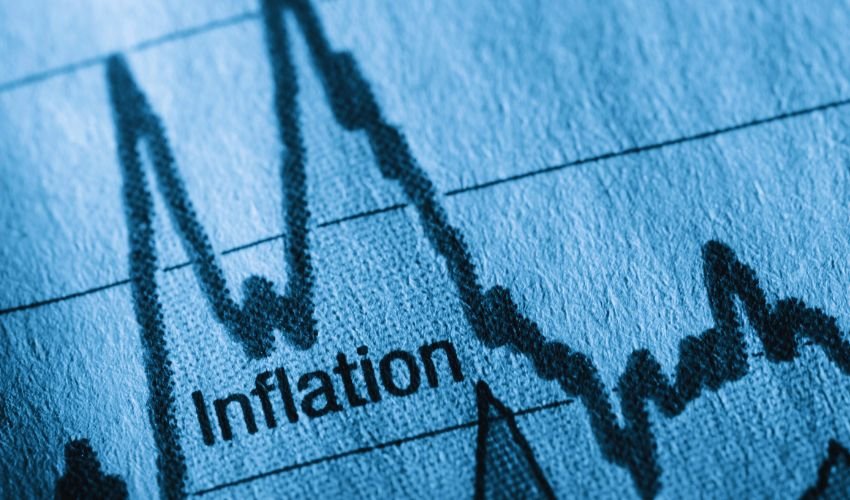
The government raised petrol to Rs. 321 and diesel to Rs. 335 last week. That decision was made before this war fully matured. It will look modest within weeks if the Strait remains choked. Diesel at Rs. 335 is already an inflation announcement dressed as an energy price. Every truck on every highway, every tube well in every field, every kiln and factory and generator in this country runs on what is now about to become significantly more expensive. The poor do not pay fuel prices. They pay the prices that fuel prices create: in flour, in transport fares, in the cost of everything that moves.
What does the government need to do. Not what it has been doing. The IMF programme, the fiscal targets, the circular debt management: all of these remain necessary. But a war in the Persian Gulf is not a budgetary problem. It is a civilisational emergency for an import-dependent economy with no strategic petroleum reserve worth mentioning, a currency already under chronic pressure, and a population that has absorbed three years of consecutive economic punishment without a single serious relief measure reaching the people who needed it most.
Extraordinary times demand extraordinary measures. The government must immediately build a ninety-day strategic petroleum reserve, negotiate deferred payment arrangements with Gulf partners before the price rises further, launch an emergency subsidy specifically targeted at agricultural diesel to prevent a food price collapse on top of an energy crisis, and prepare the public honestly for what is coming rather than managing the narrative until the damage is done.
Pakistan did not start this war. It has no vote in how it ends. But it will pay for it. The only question is whether the government acts before the bill arrives or after.