
Editorial
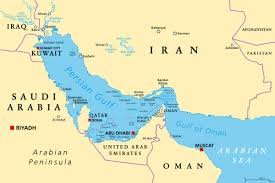
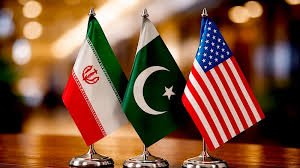
When history demands statesmanship, most nations watch from the sidelines. Pakistan chose differently. By bringing the United States and Iran to the same table in Islamabad, Pakistan has demonstrated that middle powers, when they act with resolve and credibility, can shape outcomes that larger powers cannot engineer alone.
This is no small achievement. Washington and Tehran carry decades of mutual suspicion, broken agreements, and open hostility into any room they enter together. The United States used negotiations twice as a prelude to aggression against Iran. That memory does not fade easily. Against this poisoned history, persuading both sides to sit down, talk, and honour a two-week truce required diplomatic skill of a high order. Pakistan delivered precisely that.
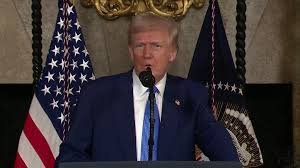
The presence of American Vice-President J.D. Vance and Iranian Foreign Minister Abbas Araghchi in Islamabad speaks for itself. These are not second-tier envoys sent to buy time. Their attendance signals that both sides regard Pakistan as a credible, neutral host — a country that neither power suspects of serving the other’s agenda. That trust is earned, not inherited. It reflects years of careful positioning and genuine relationships cultivated on both sides.
Pakistan’s role here is also a reminder that principled neutrality is not passivity. It is an active choice. In a region where every actor is expected to declare allegiance, Pakistan has chosen the harder path of honest broker.
The road ahead remains difficult. Iran’s nuclear programme, American military presence in the region, Israeli hostility toward any settlement — these are formidable obstacles. There will be no quick resolution. But dialogue is always preferable to devastation, and Pakistan has made dialogue possible where none existed before.
That deserves unambiguous recognition. Pakistan has served not merely its own interests, but those of a world desperately in need of peace.