
Ansar Ali
Delusion is a mental health condition that affects a person’s ability to distinguish between what is real and what is imaginary. People experiencing delusions may hold onto beliefs that are not based in reality, such as the idea that the stars control their life. This mental health condition is not limited to individuals, as entire countries can also be driven by delusions. In the case of Pakistan, several delusions have had a significant impact on the country. Here, we will explore five prominent delusions that have influenced Pakistan’s economic, political, and social landscape.
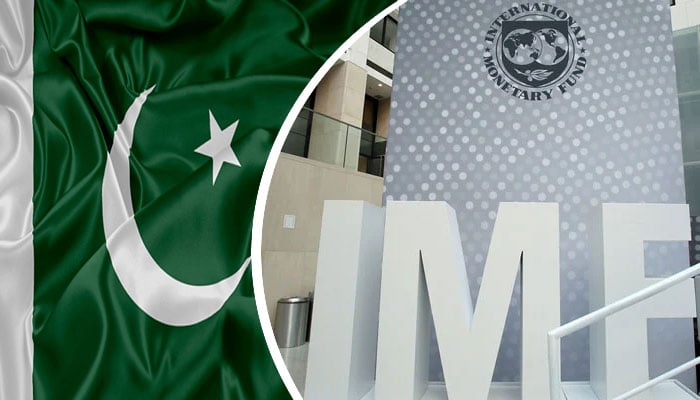
The first prevalent delusion in Pakistan revolves around the belief that maintaining high expenditures while attempting to increase taxation will result in a reduction of the budget deficit. This approach has repeatedly failed, as relying on projected income while increasing spending within a given fiscal year has proven to be unsustainable. Dr. Kaiser Bengali, a noted economist, recently highlighted Pakistan’s precarious financial situation, emphasizing the country’s inability to service its foreign loans. He criticized the practice of taking out new loans to pay off existing ones and stressed the necessity of reducing both civilian and military expenditures to address the looming financial crisis.
The second delusion concerns the expectation that the United States is obligated to provide financial support to Pakistan, effectively preventing the country from facing a sovereign default on its foreign loans. This belief is rooted in historical events, such as Pakistan’s previous reliance on U.S. assistance during critical junctures. However, the geopolitical landscape has evolved, and the U.S. now prioritizes concerns related to Pakistan’s nuclear arsenal and has contingency plans in place to safeguard these assets, independent of Pakistan’s financial stability. Pakistan’s assumption that the U.S. will unconditionally bail it out financially ignores these complexities and underestimates the U.S.’s strategic interests in the region.
The third delusion pertains to the notion that Pakistan is immune to experiencing civil unrest akin to the events witnessed in Bangladesh and other regions. This belief is grounded in a false sense of security and fails to consider the global trends that have led to widespread social and political movements, such as the Arab Spring. Bangladesh’s former Prime Minister, Sheikh Hasina Wazed, once held a similar belief, only to be proven wrong when her oppressive regime was disrupted by a wave of democratic aspirations and demands for rights and economic equity. Similarly, recent events in Sri Lanka further underscore the unpredictability of social discontent and the potential for widespread unrest.
The fourth delusion centers on the belief that peace can be enforced through coercion. Pakistan’s history is replete with instances of internal conflict, particularly in regions such as Balochistan and Khyber Pakhtunkhwa. The government’s approach of marginalizing and suppressing dissent in these regions has only fueled resentment and further exacerbated the underlying issues. Dismissing legitimate grievances and resorting to authoritarian measures is not a sustainable path to achieving lasting peace and stability.
The fifth delusion relates to the belief that digital democracy can be suppressed. With the pervasive influence of digital and social media, attempts to control the flow of information and narrative construction are increasingly futile. The interconnectedness facilitated by technology has empowered citizens to engage in online discourse and mobilize for social and political causes. Pakistan’s attempts to restrict access to information and control the digital sphere are met with resistance, as the population seeks to assert its democratic rights in the digital realm.
In conclusion, these delusions have shaped Pakistan’s approach to governance, finance, and societal issues, often leading to detrimental outcomes. Recognizing and addressing these delusions is crucial. It is imperative for Pakistan to chart a more informed, realistic, and sustainable path forward. By relinquishing unfounded beliefs and embracing evidence-based policies and strategies, Pakistan can navigate its challenges with greater clarity and efficacy, ensuring rational decision-making.