
Arshad Mahmood Awan
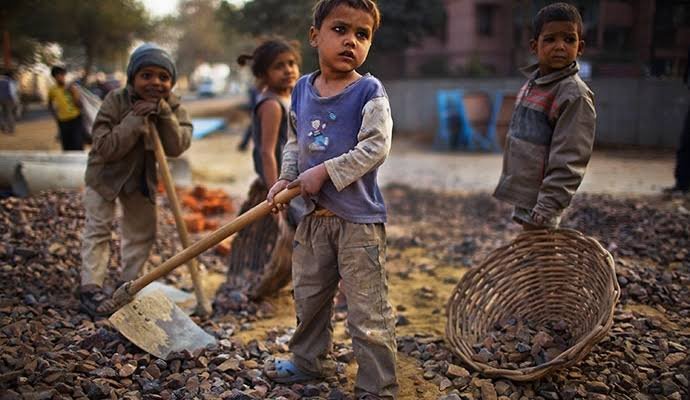
The latest findings of the Household Integrated Economic Survey (HIES) present a stark and uncomfortable picture of Pakistan’s education and human development landscape. Despite years of official rhetoric about an “education emergency,” nearly 28 percent of school-age children — around 20 million — remain out of school. While this figure is lower than the 25.3 million reported in 2019, the pace of improvement over six years has been painfully slow. More importantly, the progress that has been made is uneven, fragile, and unable to address the deep-rooted structural problems that keep millions of children away from classrooms.
What stands out most clearly in the survey is the persistence of inequality. Education deprivation in Pakistan is not randomly distributed; it follows predictable lines of gender, geography, and poverty. Rural girls, particularly in Sindh and Balochistan, remain the most excluded group. Nationally, about one in four boys is out of school, but for girls the figure climbs to nearly one in three. This gap reflects entrenched social attitudes, economic hardship, and weak state capacity rather than individual choice. Boys are often pulled out of school to supplement family incomes through labour, while girls are more likely to be kept at home due to cultural restrictions, safety concerns, or the belief that schooling offers little practical return.
Perhaps even more worrying is the finding that around 20 percent of children have never been enrolled in school at all. This points to a failure at the most basic level of the education system: access. These children are not dropouts; they are children the system never reached. This suggests that policies focused only on retention or quality improvements, while important, cannot substitute for a serious effort to bring first-time learners into the system, especially in remote and underserved areas.
Punjab’s performance deserves particular scrutiny. Although it still has the lowest out-of-school rate at 21 percent, the province has shown no improvement since 2019. Given Punjab’s relatively stronger administrative machinery and higher public spending on education, this stagnation signals a troubling decline in policy effectiveness. It suggests that existing programmes may have reached their limits and that innovation, targeted outreach, and renewed political commitment are missing. If Punjab is struggling to move the needle, the challenges faced by weaker provinces become even more daunting.
The broader economic context captured by the HIES helps explain why progress has stalled. High inflation, weak growth, and declining real incomes have eroded household resilience across the country. Nearly one-quarter of households now experience moderate to severe food insecurity, with the situation particularly dire in Balochistan and Sindh. Food insecurity in Khyber Pakhtunkhwa has also risen sharply, while in Balochistan it has almost doubled over six years. For families facing daily uncertainty over their next meal, education understandably slips down the list of priorities, despite being a constitutional right.
The survey’s first-ever attempt to measure digital financial inclusion adds another layer to the crisis. Only 12 percent of individuals have a bank account, and an overwhelming 76 percent remain excluded from the formal financial system altogether. This level of exclusion severely limits the reach of digital solutions for education financing, scholarships, and welfare transfers. The problem is compounded by low digital literacy, especially among women, reinforcing a cycle in which poor education leads to poverty, poverty limits access to technology, and technological exclusion further undermines learning opportunities.
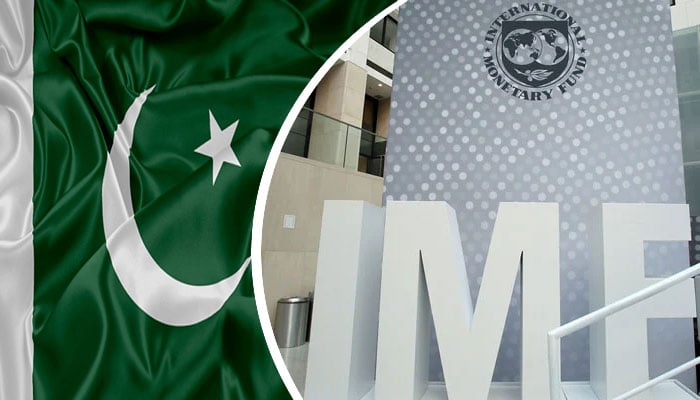
Equally telling is the fact that the HIES itself was conducted after a six-year gap, reportedly following pressure from the International Monetary Fund. That such a crucial data exercise required external prompting raises serious questions about national priorities. Reliable, timely data is the foundation of effective policymaking. When surveys are delayed or treated as box-ticking exercises, policies become reactive, shallow, and disconnected from reality.
Pakistan’s education crisis is not the result of a lack of declarations or ambitious slogans. It stems from the absence of sustained, equity-focused action. Addressing the out-of-school challenge requires more than expanding school buildings or announcing new schemes. It demands targeted financing for girls’ education, incentives that reduce the cost of schooling for poor families, safe and accessible schools in rural areas, and strong links between education policy and broader social protection measures.
Above all, education must be treated as a long-term investment in human development rather than a short-term political talking point. Until that shift occurs, the numbers highlighted by the HIES will continue to resurface in future surveys, carrying increasingly serious consequences for Pakistan’s economic prospects, social cohesion, and democratic future.