
Masood Khalid Khan
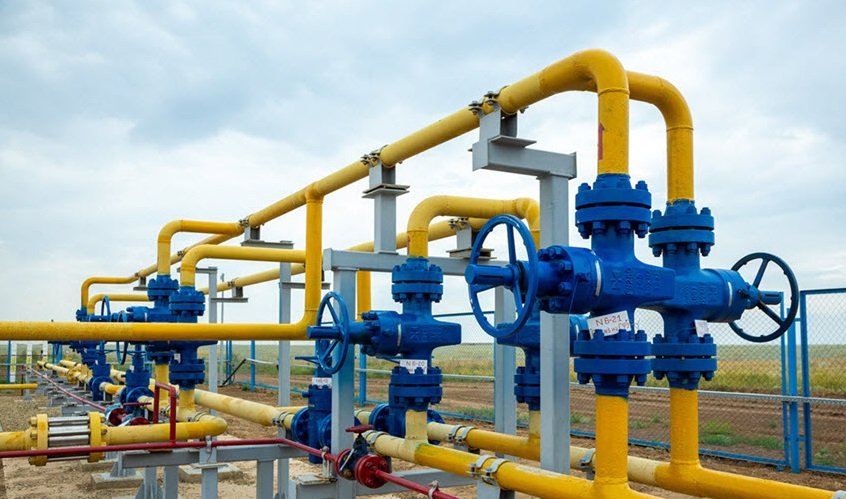
Pakistan’s gas sector is quietly heading toward a financial disaster, with circular debt now exceeding Rs3 trillion, including late payment surcharges. Despite the alarming scale of this crisis, the government appears set to continue transferring the burden to ordinary citizens rather than addressing the structural inefficiencies at the heart of the problem.
At a recent meeting of the National Assembly’s Standing Committee on Petroleum, Petroleum Minister Ali Pervaiz Malik confirmed the staggering size of the gas sector’s circular debt. He also highlighted that, following the prime minister’s directives, gas tariffs would remain unchanged from January 1, even though the Oil and Gas Regulatory Authority (Ogra) had recommended increases of up to 7% to cover nearly Rs886 billion in revenue requirements for FY26. While keeping tariffs steady may provide short-term political relief, the alternative under consideration—raising the petroleum development levy (PDL) by about Rs5 per litre on petrol and diesel—is a deeply flawed policy choice.
The contradiction in policy becomes clear when examining the distribution of costs. Roughly 10 million households use gas directly, while petrol and diesel are consumed by nearly the entire population, either directly or indirectly. Using a higher PDL to fill the financial gaps in the gas sector effectively spreads the cost of inefficiency across all citizens, including those with little or no connection to the gas network. The PDL itself is already stretched to unsustainable levels, standing at Rs82 per litre, and further increases risk exacerbating inflationary pressures on consumers.
What makes this situation particularly troubling is that the sources of the gas sector’s losses are well known and have persisted for years. Issues such as unaccounted-for gas, theft, leakage, weak governance, and collusion continue to plague the system. These inefficiencies are structural and require urgent reform. Instead, citizens are being asked to bear the burden through higher taxes and levies, creating a system where inefficiency is rewarded and accountability is absent.
If the government genuinely aims to resolve the gas sector’s crisis, it must resist the temptation to pass costs onto the public. Immediate solutions should focus on reducing unaccounted-for gas, improving metering and billing systems, and strengthening oversight mechanisms. Addressing governance weaknesses and cracking down on collusion would help restore efficiency, reduce losses, and eventually decrease the circular debt without resorting to higher levies on the broader population.
There is also a long-term economic argument against using the PDL to fund the gas sector. Pakistan is already facing inflationary pressures, and every increase in fuel levies raises the cost of transportation and goods across the economy. By artificially inflating the cost of petrol and diesel, the government risks further burdening households, especially low- and middle-income families who are already struggling to cope with rising prices. The indirect impact of higher PDL rates is far-reaching, affecting businesses, transportation costs, and overall economic competitiveness.
Moreover, the current approach undermines public trust in government institutions. Citizens are expected to pay higher fuel levies while witnessing that inefficiencies and mismanagement in the gas sector remain unaddressed. This can foster resentment, erode confidence in regulatory authorities, and reduce compliance over time. Without meaningful reform, the cycle of debt accumulation and public burden will continue, potentially reaching unsustainable levels that could threaten broader fiscal stability.
Ultimately, tackling circular debt in Pakistan’s gas sector requires decisive policy action that goes beyond short-term fixes. While keeping gas tariffs frozen may appear politically convenient, it cannot be a substitute for structural reforms. Instead of relying on regressive taxation measures such as PDL hikes, the government must implement long-term strategies to curb inefficiencies, enhance accountability, and secure the financial health of the sector. Only then can the gas sector operate sustainably without transferring its chronic problems to the general population.
The time for reforms is now. Pakistan cannot afford to allow the gas sector’s circular debt to grow unchecked while ordinary citizens pay the price. Addressing governance, curbing losses, and modernizing infrastructure are essential steps to prevent this fiscal monster from consuming not only the energy sector but the wider economy. Citizens deserve a gas sector that is accountable, efficient, and financially sustainable—not one where inefficiency and mismanagement are subsidized through widespread taxation.