Arshad Mahmood Awan
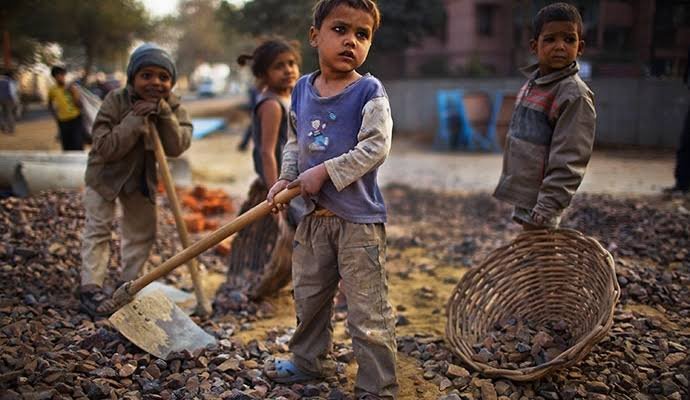
On Human Rights Day, Pakistan’s grim record on basic liberties highlights a nation struggling to survive multiple crises. Battling militancy, climate shocks, and a faltering economy, the country has little to commemorate. Beyond economic and security challenges, civil liberties suffer under an outdated criminal justice system, institutional overreach, and weak enforcement of existing laws. The repercussions are felt most acutely by the country’s children, who face a future of exploitation, deprivation, and lost opportunity.
<a href=”http://republicpolicy.com”>Follow republicpolicy.com</a>
Millions of children in Pakistan lack access to essential services including food, education, and healthcare. Many are forced into child labour or illicit trade, with little protection from state institutions. The Human Rights Review highlights that only 42 percent of children under five are registered at birth, leaving millions uncounted and unprotected. Out-of-school children number approximately 26 million, with education statistics indicating that nearly 40 percent have minimal chances of completing primary education. This systemic neglect is aggravated by environmental disasters, conflict in Khyber Pakhtunkhwa (KP) and Balochistan, and population displacement caused by extreme weather events. The World Bank projects that climate-induced poverty could affect 49 million people across South Asia by 2030, further endangering children’s prospects. Each statistic signals a lost generation, vulnerable to exploitation and intergenerational poverty.
<a href=”https://www.youtube.com/watch?v=uL3-dG9koD4&t=229s&ab_channel=RepublicPolicy”>Follow Republic Policy YouTube</a>
Pakistan’s societal framework has been reshaped around scarcity and uncertainty, making the Human Rights Day theme, “Our Everyday Essentials,” feel aspirational rather than achievable. The theme underscores that food, water, peace, and justice must be treated as fundamental rights, yet for most Pakistanis, these remain abstract concepts. Climate change, economic instability, environmental degradation, and ongoing conflict have created conditions ripe for a hunger crisis. Estimates suggest that 11 million people are at risk of food insecurity, with severe malnutrition rates alarmingly high in Sindh and KP. Such deprivation reflects not just economic mismanagement but a failure of governance and human rights protection.
<a href=”https://x.com/republicpolicy”>Follow Republic Policy X/Twitter</a>
Human rights are not abstract ideals—they are enforceable entitlements. In Pakistan, however, the state has failed to enact pro-people policies that prioritize nutrition, shelter, and well-being, particularly for women and children. Immediate measures are essential to mitigate food insecurity, improve access to clean water, and implement climate-resilient agricultural systems. Educational and healthcare reforms must be accelerated. While systemic transformation requires time, interim solutions such as mobile learning units, temporary health clinics, and social protection schemes can provide essential services to the most vulnerable populations. Without these measures, millions of children will remain trapped in cycles of deprivation and illiteracy.
<a href=”https://facebook.com/republicpolicy”>Follow Republic Policy Facebook</a>
Pakistan’s inability to uphold human rights stems from a lack of accountability. Politicians and institutions are rarely held responsible for rights violations or policy failures, leaving citizens, particularly children, without safeguards. A robust human rights framework must link political accountability with enforceable rights protections. Only when public officials are answerable for the implementation of fundamental entitlements—education, nutrition, healthcare, and protection from exploitation—can a genuine human rights system emerge.
<a href=”https://tiktok.com/@republic_policy”>Follow Republic Policy TikTok</a>
The education emergency in Pakistan remains a pressing concern. With 26 million children out of school and only a fraction able to access primary education, the nation risks losing a generation to illiteracy. Conflict-affected regions face additional barriers, including destroyed infrastructure, displacement, and insecurity. Climate-induced disasters compound these challenges, making conventional school delivery inadequate. The state must explore innovative solutions, such as satellite and mobile classrooms, community-based learning, and digital platforms where feasible, to ensure continuity of education for all children.
<a href=”https://instagram.com/republicpolicy”>Follow Republic Policy Instagram</a>
Health services for children are equally critical. Malnutrition, poor sanitation, and limited access to healthcare contribute to preventable deaths and lifelong disabilities. Pakistan’s healthcare system requires both immediate interventions and long-term reform. Deploying mobile health units, expanding vaccination campaigns, and improving maternal and child healthcare infrastructure can alleviate current suffering. Furthermore, integrating nutrition programs with climate-resilient agriculture initiatives ensures sustainability and resilience against future shocks.
<a href=”https://whatsapp.com/channel/0029VaYMzpX5Ui2WAdHrSg1G”>Follow Republic Policy WhatsApp Channel</a>
Food insecurity represents one of the most immediate human rights challenges. Pakistan’s agricultural sector, critical for feeding its population, faces the dual pressures of climate change and economic instability. Proactive state policies that ensure equitable access to food, reduce post-harvest losses, and promote smallholder farmers’ resilience are essential. Women and children, who are disproportionately affected by food shortages, must be prioritized in social protection programs. Ensuring these basic rights is the foundation upon which broader human rights protections can be built.
Civil liberties are also undermined by systemic issues within Pakistan’s justice system. Outdated legal frameworks, weak enforcement, and institutional overreach contribute to widespread human rights violations. Reforms must focus on making the justice system accessible, transparent, and accountable. Children’s rights, including protection from labour and exploitation, must be explicitly enforced and monitored. National and provincial governments must work in coordination with civil society organizations to implement policies that safeguard the rights of the youngest and most vulnerable citizens.
In conclusion, Pakistan faces a critical juncture in its human rights trajectory. Economic uncertainty, climate shocks, social inequities, and institutional failures have created an environment where children are most at risk. Immediate and sustained interventions are required across multiple fronts—education, health, nutrition, legal protection, and climate resilience. Policymakers must treat human rights as enforceable obligations rather than aspirational rhetoric. Only through accountability, strategic planning, and inclusive policy implementation can Pakistan ensure a future where children are protected, educated, and empowered to thrive. The Human Rights Day message is clear: the state cannot celebrate rights while its most vulnerable continue to suffer. Addressing these challenges is not only a moral imperative but a strategic necessity for national development, social stability, and intergenerational equity.
<a href=”http://republicpolicy.com”>Follow republicpolicy.com</a>