
Editorial
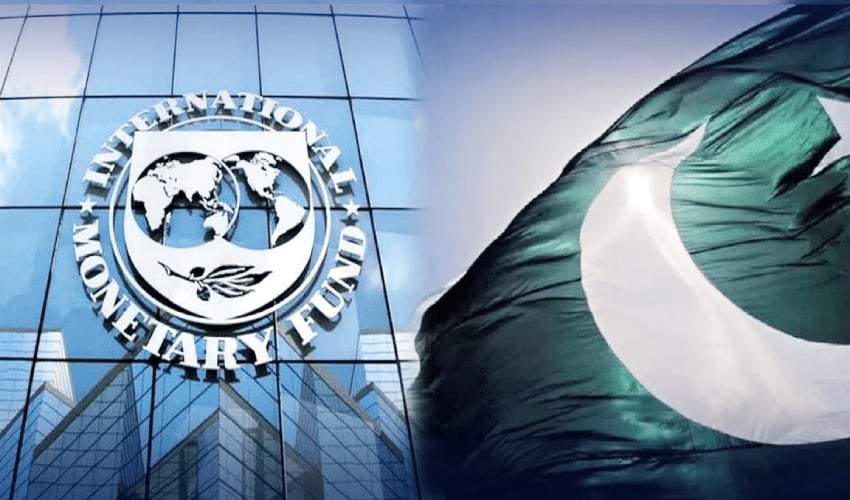
Pakistan finds itself on a precarious tightrope, its economic stability precariously balanced against the backdrop of political turmoil. While the IMF acknowledges the interim government’s efforts to maintain balance, a crucial question hangs heavy: will the newly elected government, shrouded in allegations of vote-rigging, derail the critical IMF loan vital for the nation’s future? On the one hand, the IMF has commended the interim government’s strides in economic stability and social safety nets. They express willingness to work with the new leadership, hoping for collaborative policies that pave the way for long-term prosperity.
However, dark clouds loom on the horizon. The newly elected government faces fierce accusations of electoral manipulation from the opposition, led by former Prime Minister Khan. His demand for an IMF audit of the elections throws a wrench into the works, potentially delaying the much-needed financial aid. This, coupled with legal challenges and protests planned by Khan’s party, further muddies the already murky waters.
Meanwhile, the clock ticks relentlessly. Pakistan’s economic woes scream for immediate attention. The nation’s external debt, dwindling foreign reserves, skyrocketing inflation, and depreciating currency paint a grim picture. Economists warn of a potential default without the IMF lifeline, highlighting the unsustainable debt burden. With $6 billion needed by June to service debts, the urgency cannot be overstated.
While the IMF seems open to collaboration, the question remains – how will they approach the new government under these contested circumstances? Will stricter conditions be imposed if the electoral legitimacy remains disputed? The answer is yet to be written, with the consequences for Pakistan’s economy and social stability hanging in the balance. The article highlights the precarious tightrope walk Pakistan faces. While further developments and the IMF’s response to the new government are crucial, it’s important to acknowledge the limitations of the presented information. Understanding the public’s stance on the election and the IMF loan, potential regional and global economic impacts, and exploring alternative solutions would enrich the analysis and offer a more holistic perspective on this complex situation.
Ultimately, Pakistan’s economic future hinges on its ability to navigate this political minefield while seeking stability through international support. Whether it can successfully bridge the gap between accusations and solutions, time will tell.
Lastly, Pakistan’s national interest must remain supreme. It is our internal matter, and the matter must remain within the state of Pakistan. However, it is also equally important that rigged elections may not be allowed to happen. Pakistan is a republic, and the mandate of the people is Pakistan’s most vital interest.
Please, subscribe to the YouTube channel of republicpolicy.com