
Zafar Iqbal
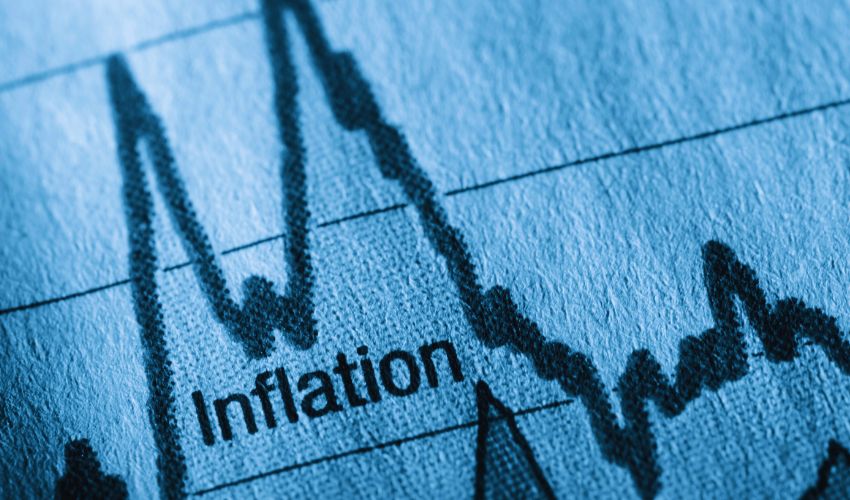
Pakistan’s inflation figures for February 2026 have reignited a debate that refuses to settle. The Consumer Price Index climbed to 7 percent, a rise of 1.2 percentage points from January’s 5.8 percent. On the surface, this looks like a manageable uptick. The Monetary Policy Committee had projected this range for well over a year and had accordingly held the discount rate steady at 10.5 percent since December 2025, itself a modest reduction from the 11 percent that had prevailed since May of that year. The numbers, taken at face value, suggest a central bank in control of its narrative.
But beneath the headline figure, several fault lines are visible. And they demand honest scrutiny.
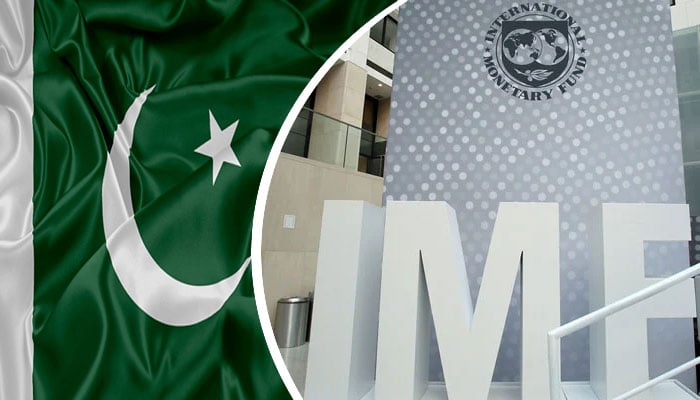
The first concerns the MPC’s next move. With CPI now at 7 percent and core inflation stubbornly holding around 7.4 percent through the first half of the current fiscal year, the case for further easing has weakened considerably. The MPC’s own December statement acknowledged that core inflation had stopped declining after a period of steady fall. It noted, too, that energy inflation was rising as the favourable base effect from electricity tariff adjustments began to fade. Inflation expectations among consumers and businesses were easing, yes, but the underlying structural pressures had not disappeared. Against this backdrop, speculation has mounted that the IMF, which has been pushing Islamabad to maintain fiscal discipline, may insist on a rate increase of 100 to 200 basis points at the MPC meeting scheduled for March 9. That would be a significant reversal after months of cautious easing and would carry real consequences for an already strained private sector.
The second fault line runs through the data itself. Pakistan’s government finance statistics have long been a source of controversy among economists. The IMF has itself acknowledged the problem, noting that important shortcomings remain in the source data covering roughly a third of GDP. This is not a minor technical quibble. When the statistical foundation is unreliable, every policy decision built upon it carries hidden risk. The February CPI reading illustrates this tension vividly. According to data on the Pakistan Bureau of Statistics website, the largest contributor to the monthly rise was the miscellaneous items category, whose index moved from 368.85 to 381.22. Yet this category carries a weight of only 4.87 in the overall basket. Housing, water, electricity and fuels, which carry a weight of 23.63, registered a smaller index movement, from 257.56 to 262.35. How a low-weight category drives the headline number more than a category nearly five times its size is a question the official data does not satisfactorily answer. It is precisely this kind of anomaly that erodes public confidence in official statistics and makes informed policymaking harder.
The third fault line divides the government and the productive economy. Pakistan’s large-scale manufacturing sector has been insisting for months that the current discount rate is throttling industrial output. Their argument is straightforward and, on its face, compelling: at 10.5 percent, Pakistan’s policy rate is roughly double the regional average. This makes borrowing expensive, raises the cost of doing business, and renders Pakistani exports uncompetitive in international markets where rivals operate with far cheaper credit. Against this complaint, the government points to LSM growth of 4.8 percent in the July-December 2025 period, compared to a contraction of 1.8 percent in the same period a year earlier. The industry rejects this figure. Manufacturers cite over 150 factory closures, widespread underutilisation of production capacity, and the departure of several multinational companies as evidence that the official numbers do not reflect conditions on the ground. Both sides cannot be fully right. Either the statistics are flawed or the industry’s account is selective. Most likely, the truth sits uncomfortably between the two. What is clear is that a resolution of the data integrity crisis is not merely a bureaucratic task. It is a precondition for sound economic governance.
Transport costs did decline in February on a month-on-month basis, offering some relief. But this relatively positive signal is overshadowed by a gathering external threat of far greater consequence.
The ongoing conflict in the Middle East has begun casting a long shadow over Pakistan’s economic outlook. The most immediate risk is energy supply. Pakistan sources a substantial share of its fuel from Gulf states, and the halt of shipping through the Strait of Hormuz has raised the prospect of supply disruptions ranging from shortages to outright cessation. The Prime Minister has established a committee to monitor the situation and prepare mitigating responses. The intent is right but the leverage is limited. As a buyer with constrained alternatives, Pakistan’s room to manoeuvre in a prolonged supply crisis is narrow.
The remittance channel carries equal if not greater concern. Remittances from abroad grew by 11.3 percent in the July-February period of the current fiscal year compared to the same period a year earlier. This inflow has been one of the few genuine bright spots in Pakistan’s external accounts. It played a material role in keeping the current account in manageable territory, even as that balance has now shifted. The current account moved from a surplus of 564 million dollars in the July-January period of 2024-25 to a deficit of 1.074 billion dollars in the comparable period of the current year. Gulf states account for roughly half of all remittance inflows into Pakistan. Any sustained disruption to the regional economy there, whether through war, displacement, or a contraction in Gulf labour markets, would reduce these inflows, compress foreign exchange reserves, and push Pakistan further toward dependence on external borrowing at a time when its debt burden is already a point of serious concern.
The picture that emerges is not one of imminent collapse but of accumulating pressure. Inflation is rising again. Data reliability remains contested. Industry is struggling under high borrowing costs. And the external environment is darkening. Pakistan’s policymakers are navigating a narrow passage, and the margin for error is shrinking with each passing month.