
Editorial
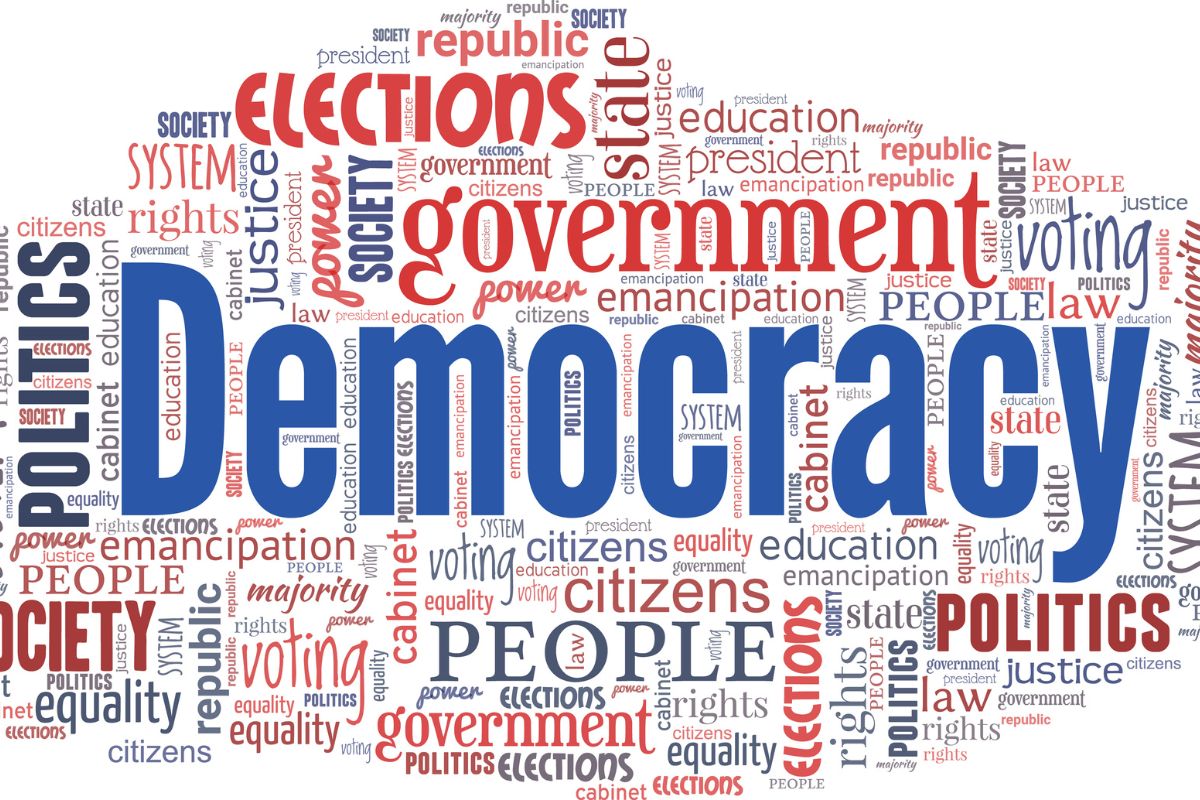
Pakistan’s democracy will remain fragile as long as its political parties remain disorganized, personality-driven vehicles rather than genuine institutional forces. PTI and every other major party must confront an uncomfortable truth: the weakness is internal.
The first imperative is grassroots organization. A party that cannot reach the street corner, the village council, or the urban neighborhood has no real foundation. It exists only at the top, which means it collapses the moment pressure is applied from above. Real democratic strength grows from below, not from television appearances or social media trends.
The second imperative is intra-party democracy. When leadership is inherited, imposed, or simply assumed, the party becomes the property of one person or one family. Workers lose their voice. Talent is suppressed. Loyalty to an individual replaces commitment to a cause. This is not a party — it is a court, and courts do not produce democrats.
The third imperative is ideological formation. Pakistan has no shortage of passionate political workers. What it lacks is structured spaces where those workers are educated, trained, and channeled into purposeful organizational roles. Passion without structure dissipates. Ideology without organization remains a slogan.
The consequence of this collective failure falls hardest on ordinary workers. When a party collapses under pressure, faces a legal crackdown, or loses an election it should have won, the leaders negotiate their exits. The workers face the consequences — arrests, unemployment, social stigma, and broken promises. Leadership suffers least from its own incompetence.
Democracy cannot be strong where democratic institutions begin with weak, unaccountable political parties. Reform must begin not in parliament, but within the parties themselves. Until that happens, Pakistan’s democratic struggle will keep repeating itself — full of sacrifice, empty of results.