
Arshad Mahmood Awan
Pakistan has now officially become the world’s fifth most populous country, according to the United Nations Population Fund. In less than eight decades, the country’s population has surged from just 33.7 million at the time of independence to an estimated 255 million today. This vast population is spread across the four provinces of Punjab, Sindh, Khyber Pakhtunkhwa and Balochistan, along with the Islamabad Capital Territory. The census figures do not include Azad Kashmir and Gilgit Baltistan, meaning the actual number of people connected to Pakistan’s economy and governance is even higher.
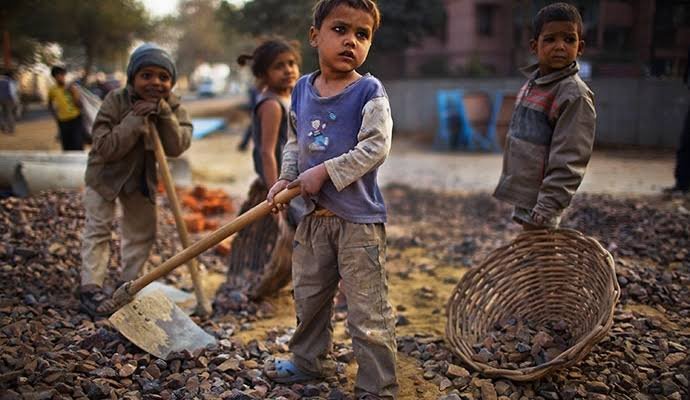
For decades, rapid population growth has been one of the country’s most serious and least resolved challenges. Pakistan continues to struggle with limited natural resources, persistent poverty, widespread illiteracy and deep gender inequality. These pressures are now being intensified by climate change, which has made water scarcity, food insecurity and extreme weather events more frequent and destructive. Against this backdrop, the scale of the population can appear overwhelming. On paper, Pakistan’s institutions, infrastructure and public services are simply not designed to meet the needs of such a large and growing society.
High fertility rates remain a core issue. While family planning policies exist, they have rarely been treated as a national priority and are often undermined by weak implementation, cultural resistance and inconsistent funding. As a result, population growth continues to outpace improvements in education, healthcare, housing and employment. This imbalance fuels cycles of deprivation and places enormous strain on the state’s capacity to govern effectively.
Yet focusing only on the risks tells an incomplete story. Pakistan’s population is also remarkably young. The average age is just over 25 years, placing the country among the youngest nations in the world. Labour force participation has been gradually improving, and millions of young people are entering working age every year. Despite the ongoing problem of brain drain, Pakistan still possesses a large pool of energetic, adaptable and increasingly skilled youth. This demographic reality presents a rare window of opportunity.
UNFPA Pakistan has emphasised that the country’s population should not be seen solely as a burden. If supported by the right policies, it can become a powerful driver of sustainable and inclusive development. A young population can boost productivity, expand the tax base and stimulate innovation. However, this potential will only be realised if the state invests seriously in human development. Education systems must be improved, vocational training expanded and healthcare strengthened to ensure that young people are healthy, skilled and employable.
The danger lies in wasting this demographic advantage. Without sufficient jobs, skills and social mobility, a youth heavy population can become a source of frustration rather than growth. Unemployment, underemployment and inequality can deepen social unrest and political instability. The cost of inaction will be high, not only economically but also socially.
Pakistan’s long-standing tendency to prioritise short term fixes over long term planning has compounded the problem. Policy decisions are often reactive, shaped by immediate political pressures rather than strategic foresight. Population trends, climate risks and urbanisation patterns demand sustained investment and careful planning over decades, not election cycles. National planning and financing must place population realities at the centre, guiding decisions on infrastructure, education, energy and social protection.
A positive and realistic approach is essential. Population growth cannot be reversed overnight, but its impact can be managed. Strengthening family planning services, empowering women through education and economic participation, and addressing regional disparities are all proven ways to stabilise population growth over time. At the same time, building resilience against climate disasters and resource shortages will be critical for long term stability.
Pakistan stands at a crossroads. Its population boom is both a warning and a promise. If ignored or mismanaged, it will deepen existing crises. If understood and planned for wisely, it can become the foundation of national renewal. The choice lies in whether the country continues to drift from one emergency to the next or finally commits to a future built on human development, equity and long term vision.