
Editorial
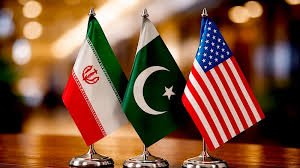
In a world grown weary of noise and bluster, quiet diplomacy often achieves what loud ultimatums cannot. Pakistan’s emergence as a credible back-channel between Washington and Tehran is not accidental. It is the product of geography, history, and a calculated foreign policy that has long refused to surrender to the binary demands of great power rivalry.
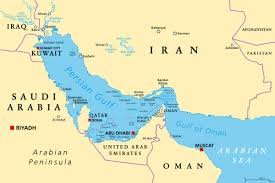
Pakistan shares a border with Iran. It has decades of engagement with the American security establishment. It speaks the language of both sides without being enslaved to either. In this rare triangular trust, Islamabad has found its moment, and it would be a grave strategic error not to use it wisely.
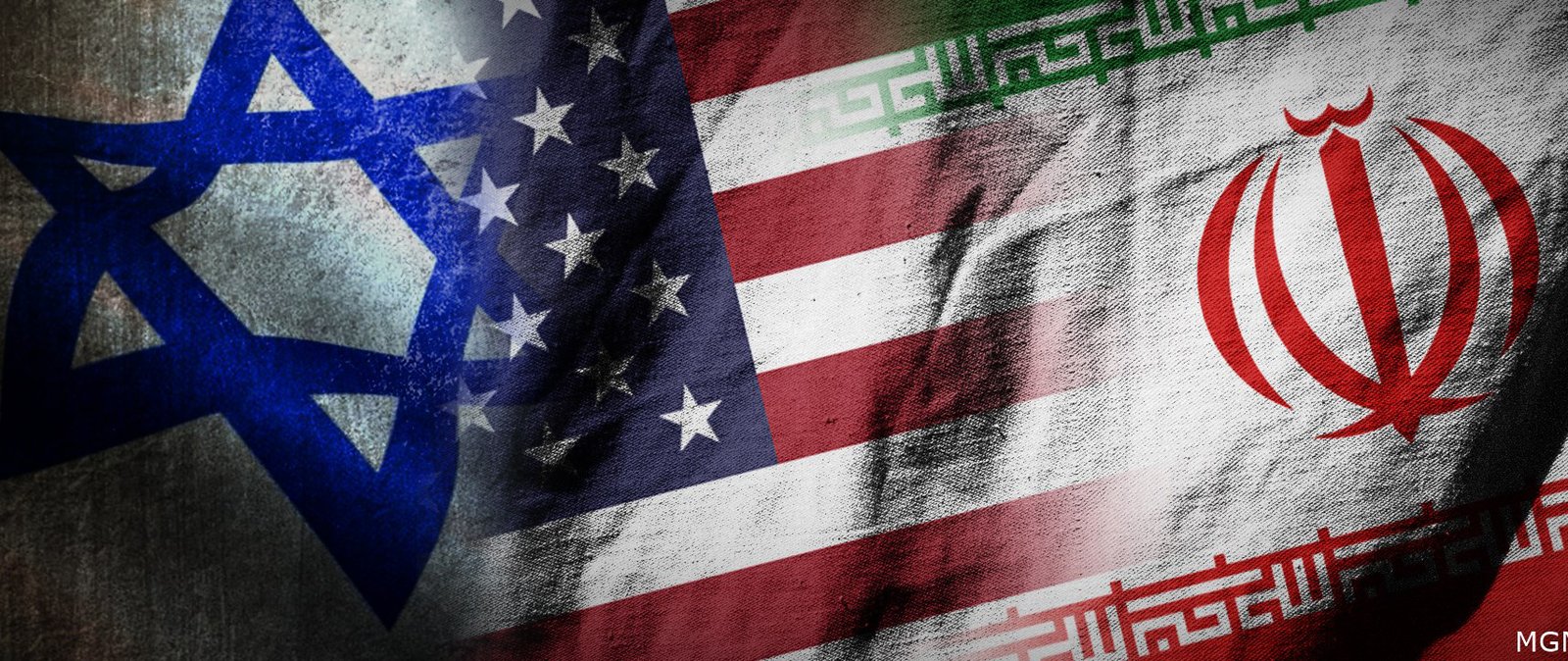
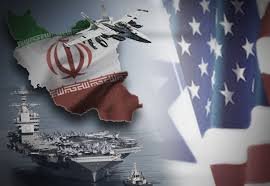
The ongoing hostilities between the United States and Iran have closed nearly every conventional door of communication. Embassies carry little weight when missiles are flying. It is precisely in such moments that third-party facilitators become indispensable, and Pakistan stands almost alone in its capacity to serve that function with any genuine credibility.
Those who expect immediate results misunderstand how diplomacy works. A first round of negotiations rarely produces a settlement. It establishes vocabulary, tests intentions, and maps the outer limits of what each side can accept. If the current effort does not yield an agreement, it will still have laid the groundwork for the next. Pakistan’s role does not end with one failed attempt. It deepens with every conversation held, every message carried, every misunderstanding corrected before it becomes a catastrophe.
History reserves a special place for nations that prevent wars rather than wage them. Pakistan has the opportunity, the access, and arguably the obligation to be that nation now. The region cannot afford failure. Neither, frankly, can the world.