Zafar Iqbal
Pakistan’s trade deficit has continued to widen, moving from a negative USD 11.277 billion during July–November 2024 to a negative USD 15.469 billion in the same period in 2025, reflecting an alarming increase of 37.127 percent. Exports fell by 15.35 percent in November 2025 compared to the same month in 2024, while imports rose by 5.42 percent over the same period. These figures indicate a structural challenge in Pakistan’s external sector that has persisted over decades.
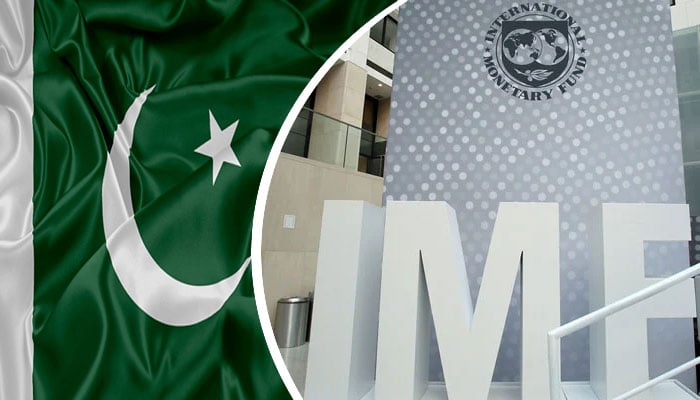
The government has historically relied on administrative controls on imports to manage the trade balance, often in coordination with the International Monetary Fund (IMF). These measures were intended to curb excess imports and stabilize reserves, with the promise of gradual removal once the trade balance improved. However, the current data suggest that these measures have failed to achieve sustainable results. The trend reflects a chronic imbalance in Pakistan’s economy, which has been a major reason for the country repeatedly turning to the IMF. Pakistan is currently under its twenty-fourth IMF programme, highlighting a long-standing structural issue in trade and macroeconomic management.
The root cause lies in the nature of Pakistan’s export sector. It is heavily dependent on imported raw materials and semi-finished goods. Any attempt to restrict imports through administrative measures temporarily supports the balance of payments, but it simultaneously hampers domestic production. This forces the government to borrow more to meet external obligations and finance current expenditures. The cycle of boom and bust is evident in the fiscal accounts, with nearly 55 percent of last year’s current expenditure earmarked for mark-up payments. This year, the budget assumes a slight reduction to 50 percent, contingent on a lower discount rate, which has yet to materialize.
The IMF has consistently highlighted the volatile nature of Pakistan’s economy. In its 10 October 2024 documents, the Fund observed that economic volatility has increased due to repeated fiscal and monetary stimulus, which temporarily boosted domestic demand beyond sustainable capacity. The result has been inflationary pressures and depletion of foreign reserves. Political priorities for stable exchange rates have further constrained policy flexibility, creating a cycle where temporary measures fail to yield durable growth.
The Fund’s analysis also points to distortions in incentives for the private sector. Subsidies, low-cost financing, and tax exemptions have disproportionately benefited certain sectors, including real estate, agriculture, manufacturing, and energy. Special Economic Zones and price interventions in key commodities such as fuel, electricity, and gas have created non-transparent support structures. These policies have tilted the playing field in favour of selected groups while weakening competition, limiting efficiency, and trapping resources in perpetually “infant” industries.
Despite this support, Pakistan’s business sector has not evolved into a sustainable engine of growth. Today, input costs for productive sectors, especially export-oriented industries, remain higher than the regional average. High utility costs, expensive financing, and administrative barriers undermine competitiveness. This structural weakness is now contributing directly to the widening trade deficit and external vulnerabilities.
Given this context, the government faces an urgent need to reform internal fiscal management. Reliance on IMF-imposed conditions should be balanced with domestic policy reforms aimed at reducing current expenditures. Cutting unnecessary spending would reduce the need for higher taxes and external borrowing. Phasing out subsidies and ensuring transparent incentives can strengthen the private sector while improving efficiency. Structural reforms are necessary to align the costs of production in Pakistan with regional benchmarks.
A gradual but decisive approach is needed to stabilize the trade deficit. The government must complement macroeconomic controls with microeconomic reforms, particularly focusing on export competitiveness. Strengthening the industrial base, improving logistics, reducing input costs, and ensuring policy predictability are key steps. This approach would gradually reduce dependence on imported inputs while increasing export capacity, ultimately stabilizing reserves and limiting borrowing needs.
In conclusion, Pakistan’s rising trade deficit is not a short-term anomaly but a manifestation of deep structural issues. Temporary administrative measures and IMF programmes can provide relief but cannot create sustainable solutions. The government must prioritize domestic reforms, reduce current expenditures, rationalize subsidies, and ensure efficiency in key sectors. These measures, coupled with export promotion and industrial competitiveness, can provide a durable framework to address the trade imbalance. Without decisive policy interventions, the cycle of borrowing, external vulnerability, and trade deficits is likely to continue, undermining Pakistan’s long-term economic stability.