
Tahir Maqsood Chheena
There is something deeply revealing about a nation that cannot sit still long enough to hear itself speak. When President Asif Ali Zardari addressed the joint sitting of parliament this week, the chamber that should have embodied national seriousness descended, once again, into the familiar theatre of slogans, interruptions and partisan display. The address was constitutionally significant. The response was constitutionally embarrassing.
This is not a new story. It is, in fact, the same story told with different faces at different intervals, regardless of who sits in treasury benches and who occupies the opposition rows. The presidency delivers a message. The chamber performs its grievances. The country watches. And those watching from outside, particularly those who wish Pakistan ill, draw their own conclusions about the coherence of a state that cannot maintain basic decorum at its own highest ceremonial forum.
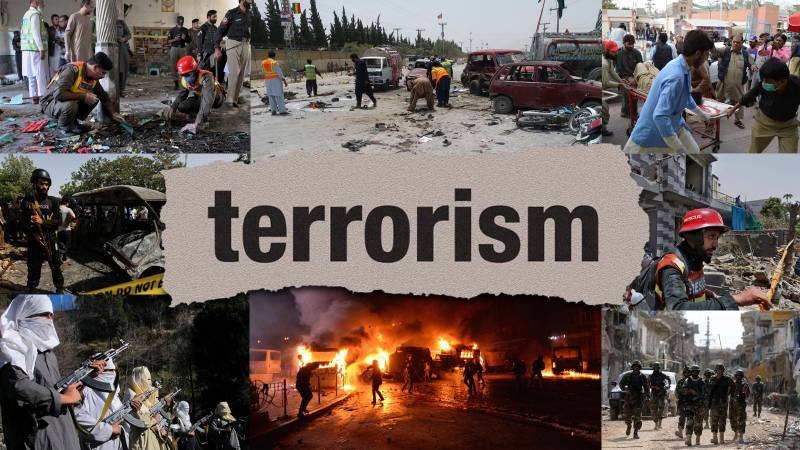
What makes this particular episode more troubling than routine is the substance of what was being said. President Zardari was not reading a ceremonial calendar of national achievements. He was addressing something urgent: the resurgence of cross-border terrorism, the fragility of Pakistan’s western frontier and the assertion that this country’s soil will not be surrendered to violence, whether sponsored from within or from abroad. These are not political positions. They are matters of national survival. They deserved a room that listened.
Pakistan faces a genuine and intensifying security crisis along its western border. The Tehreek-e-Taliban Pakistan continues to mount attacks of growing frequency and lethality. The Balochistan Liberation Army remains operationally active. Islamabad’s consistent position, backed by evidence it has presented bilaterally and multilaterally, is that these groups enjoy facilitation that extends well beyond Afghan territory, and that India’s intelligence establishment plays an active role in sponsoring destabilisation along Pakistan’s periphery. These are serious allegations made in a serious context, and they carry serious implications for regional stability.
The president’s reference to the United Nations Security Council’s concern about extra-regional threats emanating from Afghanistan is strategically important. Pakistan is not merely making bilateral complaints to Kabul. It is constructing an international legal and diplomatic framework around its grievances, arguing that unchecked militant sanctuaries are not Pakistan’s problem alone but a threat to wider regional order. This is the correct instinct. Security challenges that cross borders cannot be resolved through bilateral protest alone. They require international recognition, multilateral accountability and coordinated pressure on actors who profit from disorder.
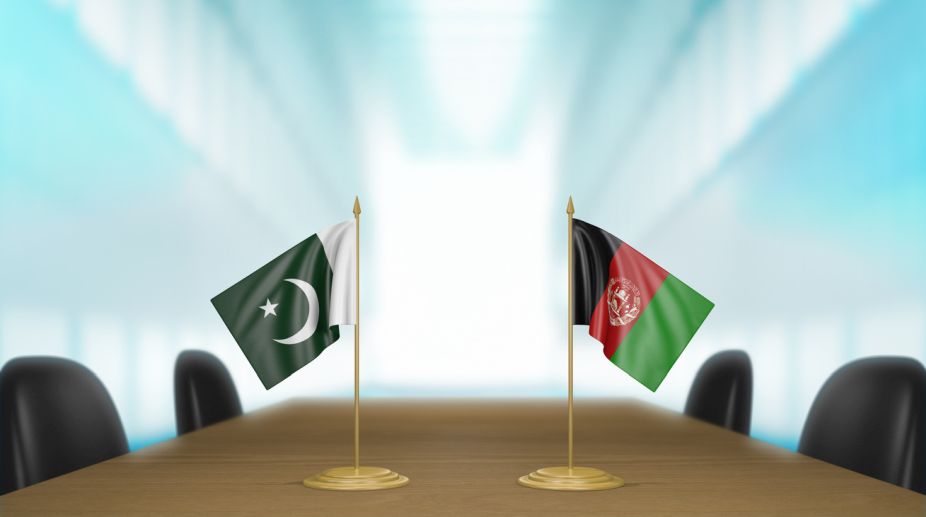
Since the Taliban returned to power in Kabul in 2021, Pakistan’s expectations from the Afghan government have been clear and consistent: honour the commitments made during the Doha process, dismantle terrorist sanctuaries on Afghan soil, and prevent cross-border operations against Pakistani civilians and security forces. These expectations have not been met. Repeated assurances have not been followed by action. The sanctuary problem persists. The attacks continue. And Pakistan’s patience, always presented publicly as strategic restraint, is wearing visibly thin.
The president’s characterisation of prolonged militancy as a war economy deserves particular attention, because it names something that most political discourse prefers to leave unnamed. When instability becomes chronic, it generates its own financial ecosystem. Weapons dealers, smugglers, narco-networks, extortion chains, political intermediaries who profit from managed chaos: all of these actors benefit directly from the absence of peace. Military operations can degrade militant capacity, but they cannot dismantle an economy. That requires something more demanding: regional accountability, the drying up of financial pipelines and the political will to pursue those who profit from disorder even when they operate behind respectable facades.
Here lies the real complexity. Pakistan is not dealing with a simple security problem that can be resolved through firepower. It is dealing with a regional political economy of violence in which multiple state and non-state actors have invested interests. Afghanistan’s Taliban leadership, whatever their public assurances, preside over a territory where militant groups operate with relative freedom. India, if Pakistan’s allegations are accurate, has chosen to exploit Pakistan’s western vulnerabilities as a tool of strategic pressure. And Pakistan itself must confront the uncomfortable reality that decades of ambiguous engagement with militant networks have created institutional legacies that complicate clean solutions.
Against this backdrop, the parliamentary disruption is not merely bad optics. It is a strategic liability. External adversaries read domestic fragmentation carefully. A state that projects internal cohesion, where parliament rises to the occasion when sovereignty is under threat, sends a message of deterrent resolve. A state where the same chamber dissolves into sloganeering at the very moment its security doctrine is being articulated sends a very different message. It signals that political competition has consumed national judgment. It suggests that the country’s institutions, when tested by pressure, fragment rather than consolidate.
This matters because deterrence is not only military. It is also political, diplomatic and psychological. When Pakistan’s adversaries observe a parliament incapable of distinguishing between partisan theatre and national necessity, they calculate accordingly. They do not see a unified state that will impose costs on those who threaten it. They see an opportunity.
The demand is not that the opposition abandon its democratic role. Protest, scrutiny and dissent are the oxygen of parliamentary democracy. But there is a meaningful difference between holding government accountable and treating a presidential constitutional address as another stage for political performance. The chamber’s highest obligation, when the head of state speaks on national security, is to listen. Not to agree. Not to applaud. Simply to listen, with the seriousness the moment requires.
Pakistan’s position going forward is neither ambiguous nor apologetic. Peaceful relations with Afghanistan are sought and desired. But cross-border attacks on Pakistani territory are not a matter for diplomatic patience alone. Islamabad has made clear that continued inaction from Kabul will deepen confrontation and accelerate consequences. The expectation is simple and non-negotiable: dismantle the sanctuaries, stop the attacks, honour the commitments made to the international community.
Sovereignty is not a slogan. It is the foundational premise of everything else. When the president declares that Pakistan’s soil is sacred, he is not delivering a rhetorical flourish. He is stating the single principle around which all other national considerations must organise themselves.
Parliament failed that principle on the day it was stated most plainly. The country can only hope it does not continue to do so at the moments that matter most.