
Editorial
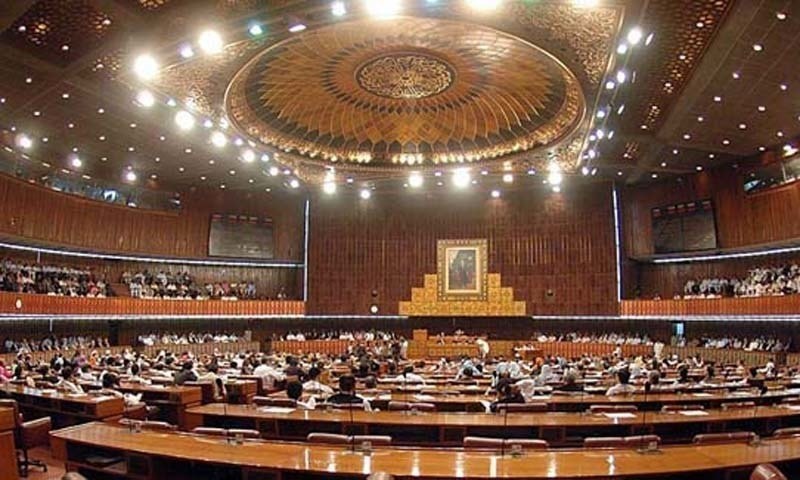
The National Assembly Standing Committee on Finance and Revenue, in a robust session on Wednesday, underscored the critical role of parliamentary oversight in shaping Pakistan’s financial and economic governance. Chaired by Hon. Syed Naveed Qamar, the 20th meeting focused on reviewing key legislative proposals, including “The Income Tax Ordinance (Third Amendment) Bill, 2025”, and scrutinizing Pakistan’s governance commitments under the IMF program.
Members raised serious concerns over the bill, noting that certain provisions appeared to bypass Parliament and could grant undue discretion in tax administration. The Committee directed the Ministry of Law and Justice to revise key clauses, develop two to three viable options, and ensure impartiality in implementation. Ministry officials agreed to revisit the draft and present updated proposals in the next session scheduled for December 9, 2025. Consensus was achieved on the remainder of the bill, reflecting a shared commitment to transparency and legislative diligence.
The Committee also reviewed other legislative matters, including “The Netting of Financial Arrangements Bill, 2025” and taxation rules for overseas Pakistanis bringing new or refurbished mobile phones into the country. These matters were deferred for detailed discussion in upcoming sessions, highlighting the Committee’s focus on comprehensive scrutiny rather than rushed approvals.
A significant aspect of the session was the emphasis on aligning fiscal practices with parliamentary approval. The Committee stressed moving away from an ex-post-facto approach to budget adjustments, advocating for quarterly reviews unless extraordinary circumstances, such as wartime exigencies, require limited flexibility.
The Committee further highlighted the need for cautious digitization of the economy, noting that internet outages could disrupt a fully cashless system. It urged the government to adopt a hybrid approach ensuring continuity during digital disruptions. Finance authorities reassured that close coordination with Parliament would guide regulatory frameworks and safeguard economic stability.
Finally, the Committee considered “The Corporate Social Responsibility Bill, 2025”, directed the Ministry of Law to incorporate agreed provisions, and confirmed it would revisit the bill in the next meeting. Overall, the session reinforced Parliament’s proactive role in ensuring accountable, transparent, and forward-looking financial governance in Pakistan.
Follow Republic Policy:
Website