
Dr Bilwal Kamran
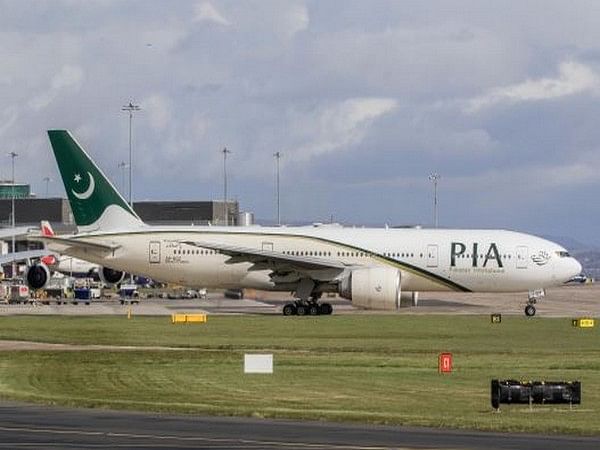
The jinx is finally broken. Pakistan International Airlines has been privatized, and regardless of how one views PIA’s troubled past, this outcome is a clear success for the country. For decades, PIA remained a symbol of state failure, political interference, and chronic inefficiency. In government hands, it had become a decaying asset with little chance of recovery. Privatization has now given the national carrier a realistic chance at survival, sparing it the slow and painful collapse that befell Pakistan Steel Mills.
After an intense and closely watched second round of bidding, the Arif Habib Consortium emerged as the successful buyer, acquiring 75 percent of PIA’s shares for Rs135 billion. This figure is notable for several reasons. It is Rs20 billion higher than the consortium’s initial bid and Rs35 billion above the reserve price set by the government. The bidding process, which was broadcast publicly, helped build confidence in transparency and credibility, something rare in Pakistan’s privatization history. Of the total amount, the government will receive Rs10 billion in cash upfront, while the remaining funds will be injected into the airline in phases as equity and capital support.
The transaction values PIA at Rs180 billion. Importantly, the deal includes an option for the buyer to acquire the remaining 25 percent shares at a later stage, which could bring an additional Rs45 billion to the government. This structure balances immediate fiscal relief with the possibility of further gains if the airline stabilizes and grows under private management.
A critical aspect of this privatization is what was sold and what was deliberately excluded. The transaction covers PIA’s operating assets only. All non-core real estate, including valuable plots and properties, has been carved out and retained by the state. This eliminates the suspicion that the deal was driven by a real estate play rather than aviation fundamentals. The buyer has taken on the airline for what it is: a struggling carrier with weak operations, not a property portfolio dressed up as an airline.
There is no denying that PIA’s operational performance has been in steady decline. The current management, despite repeated business plans and promises, has failed to reverse the downward trend. On paper, the airline owns or leases 38 aircraft, but only 18 are operational. Even these are ageing planes that require heavy maintenance, suffer frequent technical issues, and fall short of modern efficiency standards. Route cancellations, poor punctuality, and rising costs have further damaged PIA’s reputation at home and abroad.
Yet, despite this bleak picture, PIA still has turnaround potential. The domestic aviation market offers limited upside due to intense competition and low margins. The real opportunity lies in select international routes, particularly those serving the Pakistani diaspora. Millions of Pakistanis living abroad prefer direct flights, even at a slight premium, over inconvenient connections. This is where PIA can rebuild its niche.
There are encouraging signs on this front. Direct flights to London are expected to resume as early as April, pending regulatory clearances. Paris could follow. Beyond Europe, PIA can expand services to North American hubs with high Pakistani populations and significantly increase capacity to the Middle East. Saudi Arabia alone represents a massive market, driven by labor migration, religious travel, and family connections. If managed well, these routes can generate stable foreign currency revenues.
However, none of this is possible with a small, ageing fleet. Fleet expansion and renewal are non-negotiable. The new owners will have to induct modern, fuel-efficient aircraft that can compete with regional and international carriers. This will require careful planning, substantial capital, and disciplined execution. Leasing strategies, maintenance contracts, and route optimization will all play a critical role in determining whether PIA’s revival is real or merely cosmetic.
Equally important is human resource reform. PIA’s bloated and inefficient workforce has long been a major drag on performance. Under the terms of the deal, the Arif Habib Group cannot lay off employees for the first twelve months. This period should be used wisely. The consortium has a year to assess staff performance, identify capable professionals, and retain those who can contribute to a modern airline. At the same time, it can begin injecting new talent with international experience in aviation management, finance, safety, and customer service. The first and most urgent task will be to assemble a competent, empowered leadership team that can run the airline on commercial principles rather than political considerations.
The Arif Habib Group is committing serious capital to this venture. Financially, the group has the muscle to initiate a turnaround. But aviation is a notoriously complex and risky business. Margins are thin, external shocks are frequent, and missteps can be costly. Success will depend not just on money, but on governance, professionalism, and the ability to resist old habits that destroyed PIA in the first place. Strong regulatory oversight and clear contractual guardrails will be essential to ensure that the airline is revived, not stripped or mismanaged.
The bidding dynamics themselves offer interesting insights. Yesterday, the Arif Habib Consortium bid aggressively and appeared determined to secure the asset. The Lucky Group, another serious contender, withdrew when the price crossed Rs120 billion, believing that returns would diminish beyond that point. This suggests that the winning consortium may have a different strategic vision or longer-term plans for the airline. Whether that confidence proves justified will become clear only over time.
From the government’s perspective, this privatization is a major achievement. The Privatization Commission and the economic team managed to execute a complex transaction relatively smoothly, overcoming political resistance, legal hurdles, and public skepticism. Given Pakistan’s poor track record with privatization, this deal sets an important precedent. It shows that state-owned enterprises can be transferred to private hands in a transparent manner without scandal or collapse.
Yet, this success should not breed complacency. The real test lies ahead. PIA, for all its problems, was not the hardest SOE to reform. The most difficult challenges remain in the energy sector, where losses are deeper, distortions are structural, and political stakes are far higher. Without tackling those entities, Pakistan’s fiscal and economic troubles will persist.
For now, credit is due where it is deserved. PIA’s privatization is a breakthrough moment. It offers the airline a chance to survive and the country a rare example of reform delivering results. The hope is that this is not a one-off event, but the beginning of a more serious, sustained effort to fix what the state can no longer afford to run.