
Arshad Mahmood Awan
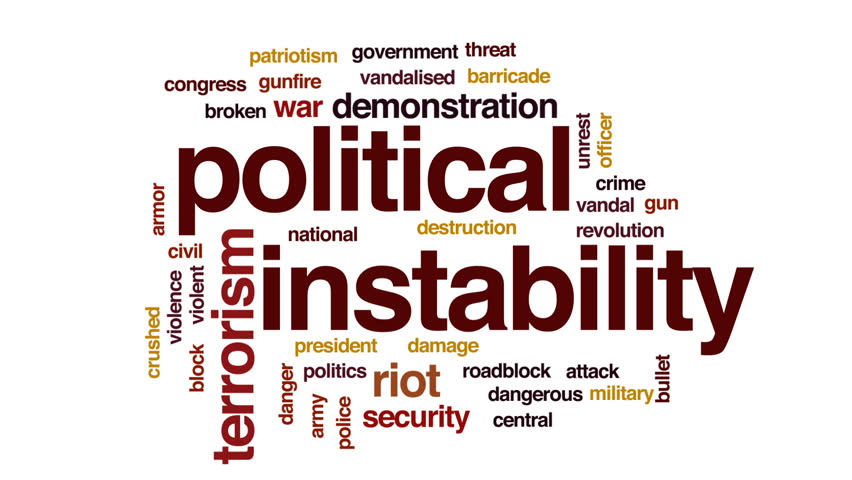
Political stability, much like the foundation of a building, is the crucial layer upon which a nation’s success hinges. It refers to a state of relative calm and order within a political system, characterized by a lack of violence, consistent governance, and the respect for established institutions. While seemingly abstract, its impact resonates across multiple facets of society, influencing economic, social, cultural, and financial stability in profound ways.
The Economic Lifeline:
Political stability acts as a catalyst for economic growth and prosperity. Investors thrive in environments where they can rely on predictable policies, enforceable contracts, and minimal risk of political upheaval. This attracts foreign direct investment, fuels domestic entrepreneurship, and paves the way for job creation and infrastructure development. Conversely, political instability breeds uncertainty, discouraging investment and hindering economic progress. Conflict and unrest disrupt supply chains, hamper trade, and erode investor confidence, leading to economic stagnation or even recession.
Social Harmony and Cultural Flourishing:
A stable political climate fosters social harmony and cultural vitality. When citizens feel secure and represented, they are more likely to engage in social interactions, build communities, and participate in civil society. This strengthens the social fabric, promoting tolerance, inclusivity, and respect for diverse viewpoints. Moreover, political stability allows for the preservation and celebration of cultural heritage. Resources can be directed towards arts, education, and cultural initiatives, leading to a vibrant and flourishing atmosphere. Conversely, political instability often fuels social divisions, ethnic tensions, and the repression of cultural expression, creating a fragmented and stagnant society.
Financial Stability and Investor Confidence:
A stable political environment is the cornerstone of financial stability. Strong, apolitical institutions like central banks can effectively manage fiscal and monetary policies, maintaining inflation under control and ensuring a healthy financial system. This creates an environment conducive for long-term investments, promotes healthy lending practices, and facilitates access to credit for businesses and individuals. Conversely, political instability undermines confidence in the financial system, leading to capital flight, currency depreciation, and economic hardship.
Free and Fair Elections: The Cornerstone of Stability:
Achieving and maintaining political stability hinges critically on the conduct of free and fair elections. When citizens have the right to choose their representatives through transparent and unmanipulated elections, they feel empowered and invested in the political process. This fosters legitimacy for the government, increases adherence to the rule of law, and encourages peaceful transitions of power. Conversely, rigged elections or blatant disregard for democratic principles breed resentment, fuel unrest, and delegitimize the government, ultimately jeopardizing political stability.
In conclusion, political stability is not a theoretical concept, but a tangible force shaping the destiny of nations. It acts as the bedrock upon which economic prosperity, social cohesion, cultural flourishing, and financial stability are built. Ensuring free and fair elections, upholding the rule of law, and fostering inclusive governance are fundamental steps towards achieving this crucial state of calm and order. Only then can societies truly thrive and citizens reach their full potential.
For years, Pakistan has grappled with the elusive dream of lasting political stability. This complex nation, brimming with potential, has found itself mired in cycles of political turmoil, hindering its progress on multiple fronts. Amidst this struggle, one crucial element rises like a beacon of hope: free and fair elections. Understanding the critical role these elections play in achieving stability is vital for Pakistan’s future.
The Broken Legitimacy Trap:
Much of Pakistan’s political instability stems from a crisis of legitimacy. Past elections have been marred by allegations of rigging, manipulation, and voter suppression. This erodes public trust in the political system, creating a sense of alienation and disenfranchisement. Citizens perceive governments as illegitimate, leading to apathy, defiance, and even violent dissent. Without a bedrock of genuine popular mandate, policies lack conviction, governance becomes erratic, and long-term planning suffers.
The Healing Power of Fairness:
Free and fair elections offer a pathway out of this quagmire. When citizens know their vote counts, when political competition is level, and when the outcome truly reflects the will of the people, a sense of legitimacy takes root. This fosters trust in the government, encouraging constructive engagement and active participation in shaping the nation’s future. Policies gain traction, as they represent the collective aspirations of the populace, leading to more effective governance and long-term stability.
Breaking the Cycle of Uncertainty:
Political instability breeds uncertainty, a toxic cloud that stifles economic growth, social progress, and foreign investment. Businesses hesitate to invest in a volatile environment, talent seeks opportunities elsewhere, and crucial social issues remain unaddressed. Free and fair elections, by ensuring peaceful transitions of power and predictable governance, dispel this uncertainty. This creates a fertile ground for sustainable development, attracting investment, bolstering confidence, and paving the way for a brighter future.
Strengthening the Democratic Tapestry:
Free and fair elections are not merely a technical exercise; they are the lifeblood of a healthy democracy. They allow diverse voices to be heard, fostering inclusivity and tolerance. They hold elected officials accountable to the people, safeguarding fundamental rights and liberties. They empower citizens to shape their destiny, promoting a sense of ownership and responsibility for the nation’s progress. In Pakistan’s context, such a robust democratic culture can act as a bulwark against extremism, promoting unity and national cohesion.
Bridging the Gap Between Aspiration and Reality:
The road to free and fair elections in Pakistan is undoubtedly fraught with challenges. Deep-seated political rivalries, entrenched vested interests, and a complex electoral landscape pose significant obstacles. Yet, the potential rewards are undeniable. Building a strong, legitimate, and stable democracy through credible elections is not just an ambitious goal; it is a necessity for Pakistan to fulfil its true potential. To unlock its economic prowess, unleash its vibrant social fabric, and secure its place in the global arena, Pakistan must embrace the transformative power of free and fair elections.
Hence, the path to political stability in Pakistan runs through the ballot box. By ensuring free and fair elections, Pakistan can break the cycle of instability, nurture a legitimate and accountable government, foster economic growth, strengthen its democratic fabric, and finally, step onto a path of lasting progress and prosperity. The journey may be arduous, but the destination – a stable and thriving Pakistan – is a prize worth fighting for.
Please, subscribe to the YouTube channel of republicpolicy.com