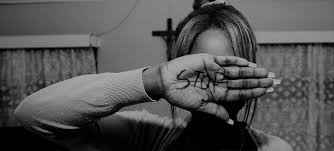

Child trafficking, sexual exploitation, and all forms of abuse against women are among the gravest violations of human dignity. They are not just moral failings; they are crimes that inflict lifelong trauma and erode the very fabric of society. In Pakistan, where millions of children and women remain vulnerable to exploitation, the responsibility to prevent such abuses is non-negotiable, and it rests squarely with the state.
The government must ensure that every child can grow up safe, free from the fear of trafficking, forced labor, or sexual abuse. Legal frameworks are necessary, but they are not sufficient on their own. Implementation, effective monitoring, and swift justice are crucial. Law enforcement agencies, social services, and the judiciary must work in tandem to dismantle trafficking networks, prosecute offenders, and support survivors with counseling, rehabilitation, and reintegration programs.
Women, too, must be protected from all forms of exploitation. Whether in workplaces, public spaces, or within homes, their right to safety and dignity must be upheld. Gender-based violence and sexual abuse are societal wounds that hinder development, perpetuate inequality, and silence half the nation. Combating these issues requires not only robust laws but also societal awareness and zero tolerance for harassment or abuse.
Ultimately, safeguarding children and women is not optional; it is a foundational duty of the state and society. Pakistan cannot claim progress or justice while its most vulnerable remain at risk. Every citizen, institution, and government body has a role to play in creating an environment where children can thrive and women can live free from fear. Protecting them is not merely an obligation—it is a measure of the nation’s humanity and commitment to justice.