
Editorial
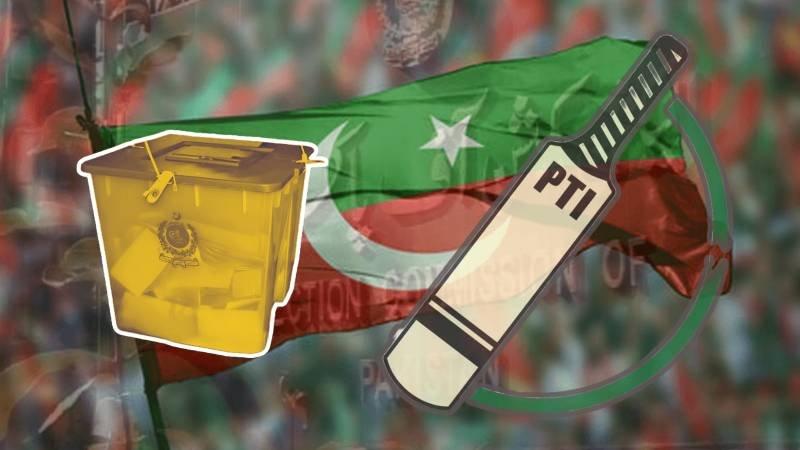
Political strategy requires consistency, presence, and engagement, yet PTI has shown contradictions by boycotting general elections while still contesting by-elections in Lahore and Haripur. Historically, political leaders like Benazir Bhutto emphasized that a political vacuum benefits opponents and allows new players to emerge. By avoiding elections, PTI risks losing relevance, letting competitors gain footholds, and undermining their own organizational influence on the ground.
Their street presence is weak, protests are mostly limited to social media, and organizational influence outside KPK is minimal. PTI has not been able to assert itself as an effective opposition in National Assembly or provincial assemblies outside KPK. Legislative performance, governance, and party organization are not up to expectations, leaving social media as the primary platform of political activity. In such circumstances, contesting elections is essential to demonstrate relevance and challenge the government.
Follow Republic Policy YouTube
By participating in elections, PTI can at least put the government under pressure, regain political visibility, and mobilize public support. Even if elections are imperfect, they remain a platform for opposition engagement and public demonstration of strength. Avoiding elections while selectively contesting two seats undermines strategic consistency and reduces their ability to project power effectively.
A rational political strategy requires participation, not selective engagement. PTI’s current approach is both contradictory and politically unwise, and only consistent electoral engagement can restore their credibility, demonstrate relevance, and allow them to challenge the government meaningfully.