
Muhammad Kashif Khoso and Waqas Abbasi
Social protection is a fundamental aspect of governance that ensures the well-being of citizens, particularly vulnerable and marginalized groups. In Pakistan, social protection is deeply embedded in the constitutional framework, reflecting the state’s commitment to welfare and equitable development. Article 38 of the Constitution explicitly mandates the state to promote the social and economic well-being of the people. It emphasizes the elimination of exploitation and the gradual fulfilment of fundamental rights, including social security and welfare.
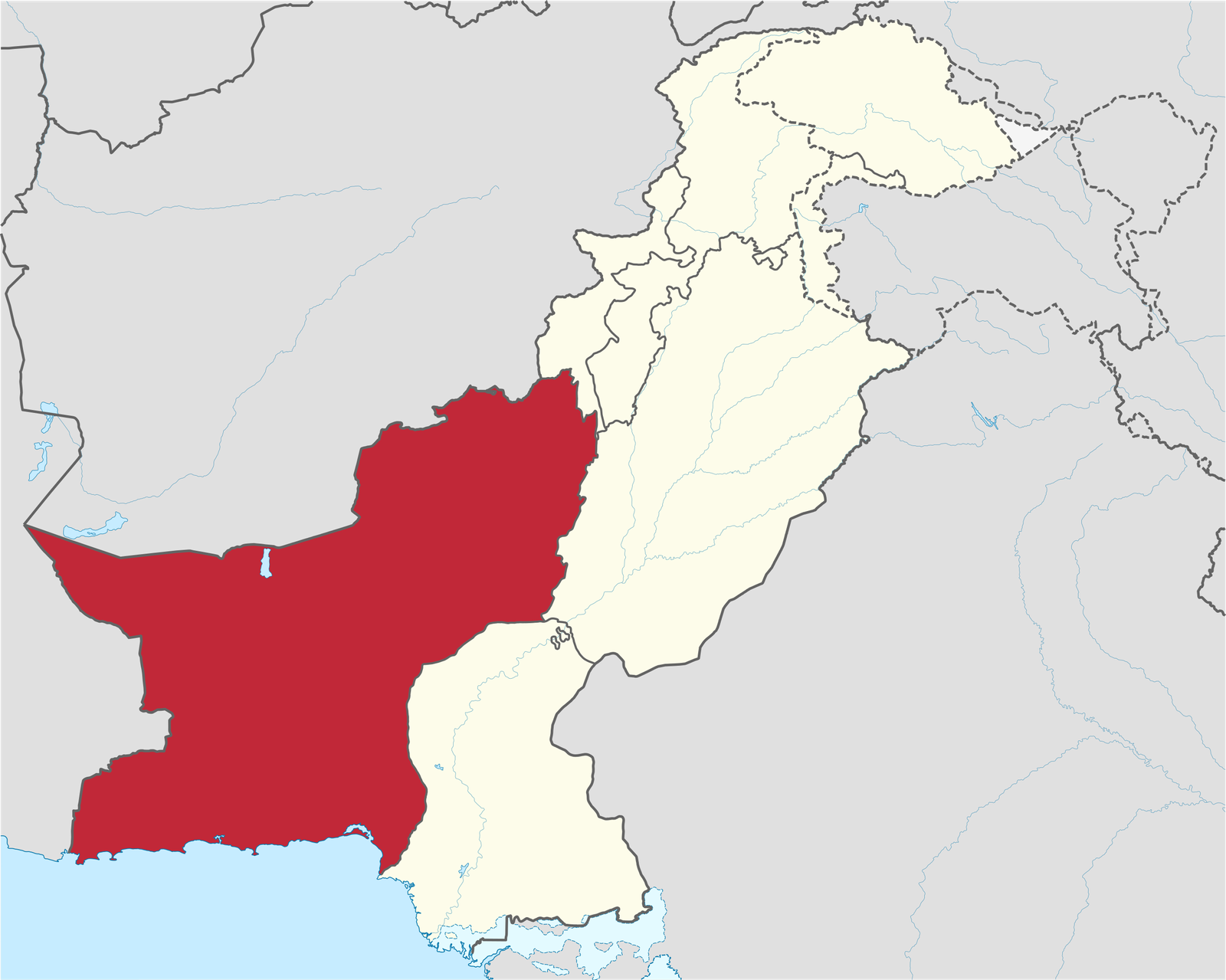
Sindh, a province with a diverse population and a unique socio-economic landscape, has historically grappled with poverty, inequality, and vulnerability. Its economic profile, a blend of urban and rural economies with a significant portion engaged in agriculture, small-scale industries, and informal sector employment, presents distinct challenges. Despite efforts to foster inclusive growth, disparities in income, education, and health outcomes persist, underscoring the need for targeted social protection strategies.
The government of Sindh has undertaken various social protection programs and schemes through in the fields of Education, Health, Agriculture, Livestock and Labor, aim to address the necessities of the vulnerable segment of society, such as poverty, lack of employment opportunities, lack of formal and informal education, unequal opportunities, access to potable water, sanitation and hygiene issues, lack of healthcare facilities, etc
Pl, subscribe to the YouTube channel of republicpolicy.com
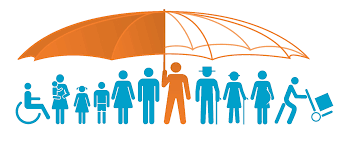
In Sindh, inequality is stark across various dimensions, from income and education to health and access to services. Social protection programs play a crucial role in bridging these gaps, particularly for the most disadvantaged groups like women, children, older people, and persons with disabilities. Moreover, in a region prone to frequent natural disasters, social protection serves as a vital buffer, providing critical support during crises and helping communities recover from events like floods and droughts.
The coverage and reach of social protection programs need to be increased to meet the needs of the most vulnerable populations however, currently government faces multiple challenges such as budget limitations and the lack of sustainable financing mechanisms, which hinder the expansion and sustainability of programs. Similarly, administrative and institutional challenges, including fragmented implementation and poor coordination among agencies, lead to inefficiencies. Furthermore, technological challenges, such as inadequate data management, integration, and digital inclusion, pose significant hurdles. Additionally, social and cultural challenges related to targeting, outreach, and gender sensitivity affect the effectiveness of social protection programs. Moreover, disasters, both natural and health crises, disrupt the social protection system.
Despite these challenges, there are several opportunities for strengthening social protection in Sindh. Leveraging economic growth and diversifying funding sources can enhance financial sustainability. Technological innovations can improve efficiency and reach. However, the real power for change lies in community and stakeholder engagement. Through community-based approaches and public-private partnerships, we can foster inclusivity and local empowerment, making a significant impact on Sindh’s social protection system.