
Editorial
March brought good news on the remittance front. Overseas Pakistanis sent home $3.8 billion during the month, the highest single-month inflow of FY26 and a 16.5 percent jump over February. The timing helped. Ramzan and the approach of Eid traditionally push workers abroad to send more money home. That seasonal effect was real, but it does not tell the whole story.
The year-on-year comparison is sobering. March 2026 inflows were still about 5.5 percent below the same month last year. And while the nine-month cumulative figure of $30.3 billion looks solid — up 8.2 percent year-on-year — reaching the official full-year target of $40 billion would require roughly $3 billion every month through June. That is achievable, but only if the ceasefire holds and regional conditions do not deteriorate again.
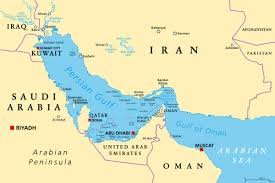
The corridor-level data reveals a more uncomfortable truth. Saudi Arabia, the UAE, the UK, and the US all recorded year-on-year declines in March. The nine-month picture looks healthier, but the monthly volatility is increasing. That matters because Pakistan’s remittance base is dangerously narrow. More than half of all inflows come from the Gulf. Saudi Arabia alone accounts for nearly a quarter. The UAE contributes another fifth. When a country is earning the equivalent of nine to ten percent of its GDP from two neighbouring states, its external stability is not a policy outcome — it is a weather forecast.
The structural risk compounds the cyclical one. High oil prices will widen Pakistan’s import bill. If the same regional pressures that drove those prices also slow Gulf economies, remittance growth will soften simultaneously. Pakistan would then face rising payments going out and weakening inflows coming in.
India and the Philippines have diversified their remittance geography and their labour export mix. Pakistan has not. Until it does, every positive monthly number carries a quiet warning beneath it.