
Abdul Rehman Khan
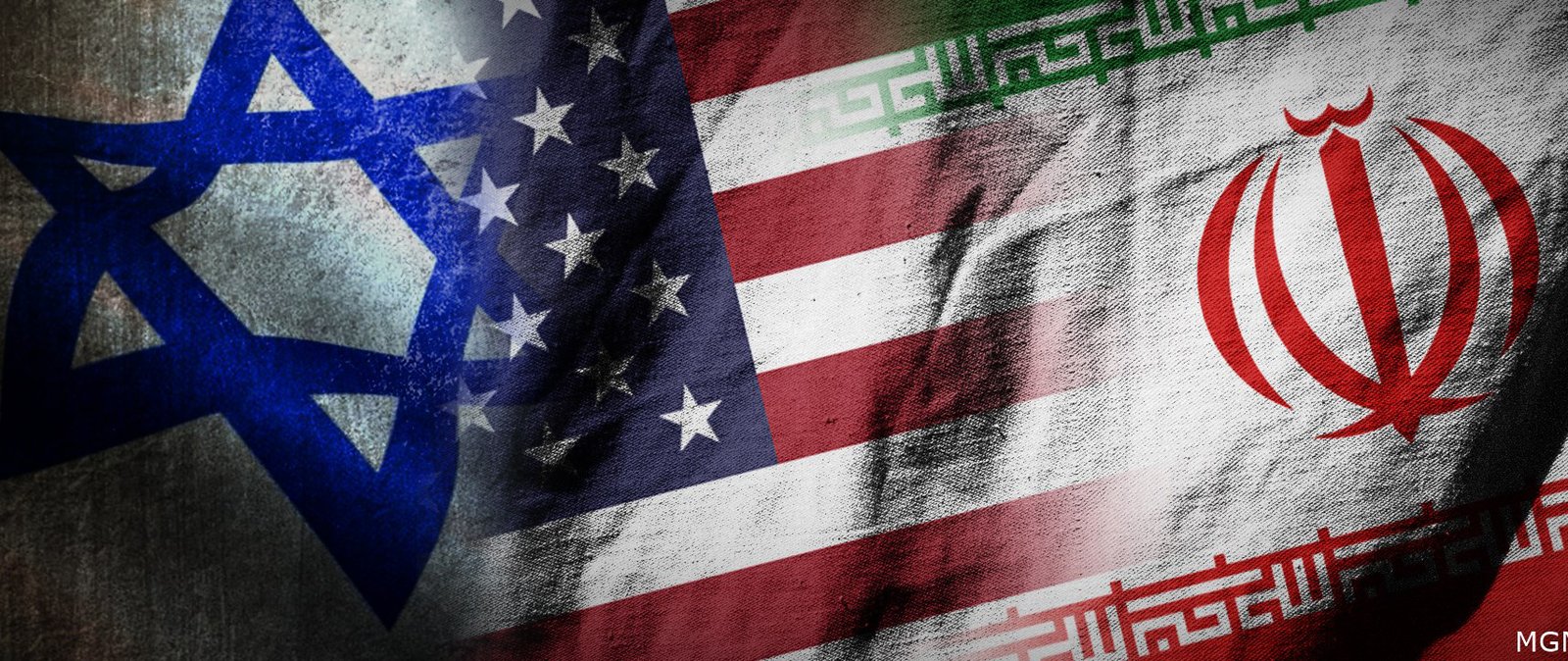
The international system that emerged after the Second World War is facing one of the most serious tests in its history. Recent developments have raised fundamental questions about whether the global order created in 1945 can still function in a rapidly changing world. Two dramatic events have brought this debate into sharp focus: the joint military assault by the United States and Israel on Iran, and the earlier operation in which American forces seized Venezuelan President Nicolas Maduro and transferred him to New York to face criminal charges.
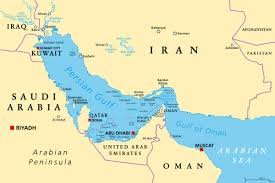
The February 28 attacks on Iran marked a major escalation in regional and global politics. The operation reportedly killed Iran’s Supreme Leader, Ali Khamenei, and targeted key political, military, and energy facilities. What made the incident particularly controversial was the absence of authorization from the United Nations. For critics of the intervention, this signaled a clear bypassing of the international mechanisms that were created precisely to regulate the use of force.
Just weeks earlier, the capture of Maduro from his residence in Caracas had already stirred intense debate about sovereignty and international law. Supporters of the operation framed it as a legal effort to bring an accused leader before the courts. Opponents, however, saw it as a dangerous precedent that allows powerful nations to impose their will beyond their borders.
These incidents did not occur in isolation. In recent months, US President Donald Trump announced that Washington would withdraw from dozens of international bodies, including several associated with the United Nations. At the same time, he introduced the idea of a new institution known as the “Board of Peace,” which he suggested might eventually serve as an alternative platform for international coordination.
Together, these developments reveal a deeper transformation in American foreign policy. For decades after 1945, the United States was the primary architect and guardian of the international system. Through diplomacy, economic support, and military alliances, it helped sustain institutions that aimed to maintain global stability. While critics often accused Washington of using these institutions to advance its own interests, there was no doubt that American leadership played a central role in maintaining them.
The world of 2026, however, is dramatically different from the one that existed at the end of the Second World War. Europe has rebuilt its economies and institutions. China has emerged as a major global power. Countries such as India, Brazil, Indonesia, Nigeria, and Vietnam are steadily expanding their economic and political influence. Even smaller regions, including the Gulf states, now possess significant financial and diplomatic leverage.
At the same time, the nature of global challenges has evolved. When the UN Charter was drafted, policymakers were primarily concerned with preventing large-scale wars between major powers. Today, the world faces a far broader range of threats: climate change, pandemics, cyber conflicts, transnational terrorism, and severe economic shocks. These issues demand collective action on a scale that no single country can manage alone.
Against this backdrop, some Americans have begun questioning why their country should continue carrying a disproportionate share of the financial and political burden for global institutions. The United States currently contributes a substantial portion of the UN’s budget and peacekeeping costs. As domestic debates intensify, the willingness of Washington to maintain that commitment appears to be diminishing.
This situation leaves the rest of the international community at a crossroads. For many decades, multilateral cooperation has often depended heavily on American leadership and funding. European nations relied on US security guarantees, while developing countries frequently depended on American contributions to international programs. Smaller states invoked international law as a protective shield, even though they had limited resources to enforce it.
If the global system is to survive in its current form, many analysts argue that other countries must now assume a greater share of responsibility. This includes financial support, diplomatic engagement, and the political will to defend international norms.
One symbolic but powerful proposal that has gained attention is relocating the headquarters of the United Nations from New York City. Advocates of this idea argue that if the host country is increasingly distancing itself from multilateral institutions, the organization should reflect the broader global community rather than remain tied to one state. Potential alternatives such as Geneva, Vienna, Nairobi, or Rio de Janeiro have been suggested as locations that could symbolize a more balanced global order.
Equally important is the question of funding. The heavy reliance on American contributions has long given Washington considerable influence over UN operations. A more diversified financial structure—supported by the European Union, China, Japan, Gulf states, and emerging economies—could reduce this dependency and make the organization more representative of today’s multipolar world.
The urgency of reform is underscored by the many crises unfolding across the globe. Conflicts in the Middle East threaten energy supplies and regional stability. Violence continues in places such as Sudan and the eastern Democratic Republic of the Congo, while humanitarian emergencies strain the resources of neighboring countries. In many of these situations, the UN Security Council has struggled to respond effectively, often paralysed by the veto powers held by its permanent members.
A revitalized multilateral system would not instantly solve these problems. However, it could create mechanisms for more credible and coordinated action. It could facilitate humanitarian operations, stabilize global energy markets during conflicts, and provide financial relief to countries facing economic shocks caused by war or environmental disasters.
Climate policy represents another critical area where international cooperation is essential. Global funds designed to support vulnerable countries—particularly small island states—depend heavily on contributions from wealthy nations. If major powers withdraw support, these initiatives could collapse at a time when climate threats are intensifying.
For many developing nations, the coming years will require both realism and determination. The international order can no longer rely on a single dominant sponsor. Instead, it must evolve into a system supported by a broader coalition of states willing to invest in its survival.
The United States remains one of the most powerful countries in the world, with immense economic strength and global influence. Many Americans continue to support international cooperation and diplomacy. For that reason, the possibility of renewed US engagement should not be dismissed.
Nevertheless, the rest of the world cannot afford to wait indefinitely. The changing dynamics of global politics demand new institutions, new financial arrangements, and a renewed commitment to collective responsibility. In many ways, the current moment may represent an opportunity: a chance for nations across the globe to take ownership of the international system and reshape it for the realities of the twenty-first century.