Mudassir Rizwan
Four decades ago, the leaders of seven South Asian states gathered in Dhaka with an ambitious vision. The creation of the South Asian Association for Regional Cooperation was meant to lay the foundations of regional integration, shared prosperity, and collective progress. Saarc was conceived as a platform that could one day resemble the European Union or Asean, tailored to South Asia’s unique political and social realities. Yet, forty years on, Saarc stands as an unfulfilled promise. Instead of deep economic integration and political cooperation, the organisation is better known for missed opportunities, dormant institutions, and an inability to meaningfully improve the welfare of the people of South Asia.
<a href=”http://republicpolicy.com” target=”_blank”>Follow republicpolicy.com</a>
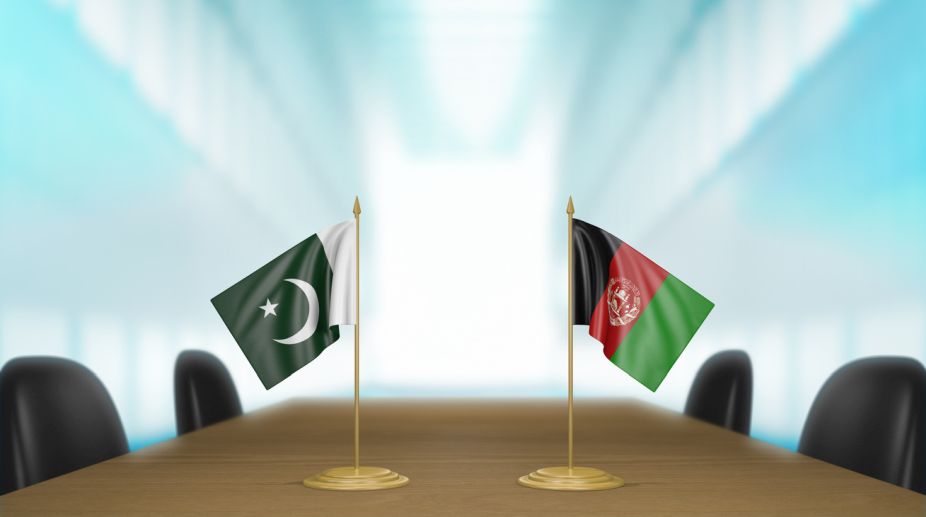
Pakistan’s leadership continues to formally reaffirm its commitment to Saarc. On Saarc Charter Day, both President Asif Ali Zardari and Prime Minister Shehbaz Sharif reiterated Islamabad’s willingness to work with all willing member states to enhance regional trade and cooperation. On paper, the intent aligns with the Saarc Charter, which explicitly excludes bilateral and contentious issues from its agenda. In practice, however, the promise of Saarc has remained hostage to deep political rivalries, particularly between Pakistan and India. This rivalry has consistently undermined the spirit of multilateralism that Saarc was supposed to embody.
<a href=”https://www.youtube.com/@TheRepublicPolicy” target=”_blank”>Follow Republic Policy on YouTube</a>
Historically, responsibility for stalled regional engagement has shifted between Islamabad and New Delhi. At various points, hawkish voices in Pakistan resisted engagement with India. Over the past decade, however, it has largely been India that has blocked efforts to normalise ties and revive regional cooperation. New Delhi’s strategy of isolating Pakistan diplomatically has had direct consequences for Saarc as an institution. The paralysis of Saarc is best illustrated by the fact that the last summit was held in Kathmandu in 2014. The 2016 summit, scheduled to take place in Islamabad, was indefinitely postponed after India engineered a boycott, joined by a few other member states.
<a href=”https://x.com/republicpolicy” target=”_blank”>Follow Republic Policy on X</a>
This prolonged stalemate has led to growing frustration within the region. Foreign Minister Ishaq Dar’s observation that multilateralism is “under assault” in South Asia reflects a broader reality. No regional organisation can function effectively when one member seeks to assert dominance or marginalise others. Saarc was designed as a forum of equals, where sovereignty and mutual respect were central principles. When these principles are undermined, institutional paralysis becomes inevitable. With Pakistan India relations currently at one of their lowest points, the prospects for reviving Saarc in the immediate future appear bleak.
<a href=”https://facebook.com/republicpolicy” target=”_blank”>Follow Republic Policy on Facebook</a>
This raises an important question for South Asian states. Should Saarc be allowed to fade into irrelevance, its failure quietly accepted as inevitable. Or should the region redirect its energy toward alternative groupings such as the Shanghai Cooperation Organisation or BRICS, while focusing primarily on bilateral arrangements. These platforms undoubtedly offer economic and strategic opportunities, and many South Asian states have already diversified their diplomatic engagements. However, abandoning the idea of South Asian regionalism altogether would come at a significant cost. Geography matters, and no region can achieve sustained prosperity without meaningful economic integration among neighbouring states.
<a href=”https://tiktok.com/@republic_policy” target=”_blank”>Follow Republic Policy on TikTok</a>
The economic case for reviving Saarc remains compelling. Intra regional trade in South Asia hovers at around five percent, one of the lowest figures for any region in the world. This is not due to a lack of complementarities, but because of political barriers, restrictive trade regimes, and limited connectivity. Greater regional trade could lower costs, create jobs, and reduce vulnerability to external shocks. Beyond economics, Saarc also holds potential as a platform for cooperation on climate change, public health, disaster management, and people to people exchanges, all of which are increasingly critical for the region’s stability.
<a href=”https://instagram.com/republicpolicy” target=”_blank”>Follow Republic Policy on Instagram</a>
Reviving Saarc will not be easy, nor will it be quick. It requires a fundamental shift in political attitudes, particularly from India, which must abandon hegemonic impulses and reconsider its policy of sustained hostility toward Pakistan. Respect for sovereignty and genuine multilateralism are not optional ideals but essential conditions for Saarc’s survival. While bilateral engagement and alternative multilateral forums should continue, the South Asian dream of cooperation, peace, and shared growth should not be discarded. The Saarc Charter’s promise of improving the quality of life of the region’s people remains relevant, and it is a goal still worth striving for.
<a href=”https://whatsapp.com/channel/0029VaYMzpX5Ui2WAdHrSg1G” target=”_blank”>Follow Republic Policy on WhatsApp Channel</a>