Abdul Rehman Khan
The recent threat by Pakistan’s government to shut down the social media platform X if it does not “cooperate” with official demands marks a dangerous escalation in the country’s struggle with digital dissent. This is not about the global challenge of regulating harmful content; governments worldwide grapple with that issue. The concern here lies in the state’s inclination to limit independent channels of expression, especially when these challenge its narratives. The official rhetoric masks a more familiar impulse: deep-rooted paranoia toward dissent, particularly in contexts involving the Pakistan Tehreek-e-Insaf (PTI).
<a href=”http://republicpolicy.com”>Follow Republic Policy</a>
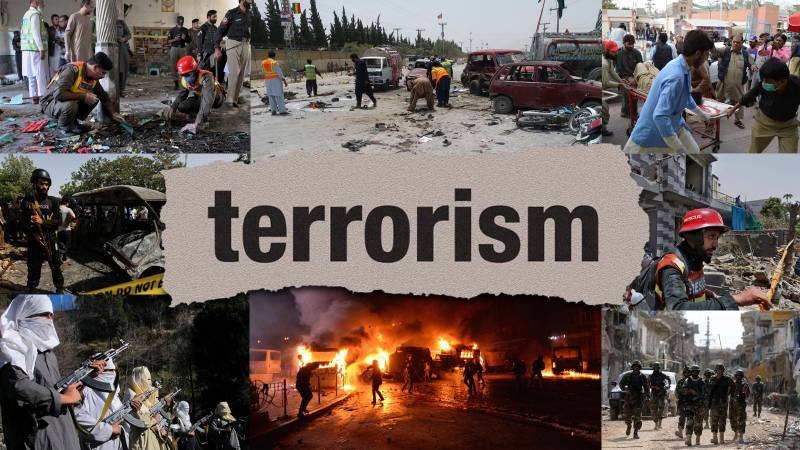
Investigations into former Prime Minister Imran Khan’s X account, allegedly run from outside Pakistan, reflect the government’s broader strategy to control political narratives. Threatening to block a global communication platform because it does not comply with domestic directives underscores the lengths to which authorities are willing to go to suppress criticism. The government has justified its actions by linking the matter to “terrorism,” but Pakistan’s political history shows that such charges have frequently been exaggerated and misused against political opponents. These measures, often framed as security imperatives, risk conflating legitimate political activity with criminality, raising serious concerns about the abuse of state power.
<a href=”https://www.youtube.com/watch?v=uL3-dG9koD4&t=229s&ab_channel=RepublicPolicy”>Follow Republic Policy</a>
Comparisons with Brazil, where X was blocked for failing to comply with Supreme Court orders, are misleading. Brazil’s legal action focused on judicial directives aimed at curbing misinformation. Pakistan’s case, by contrast, is overtly political. The intent is not public interest or safeguarding truth but restricting platforms that allow the expression of criticism or alternative viewpoints. This approach reflects a concerning pattern of politicizing technology regulation for partisan purposes rather than adopting neutral mechanisms to safeguard public discourse.
<a href=”https://twitter.com/RepublicPolicy”>Follow Republic Policy</a>
The government’s casual framing of the potential ban demonstrates a disregard for the fragility of democratic norms in Pakistan. X has already faced multiple disruptions throughout the year, yet the threat of a complete shutdown represents an escalation that undermines confidence in free expression. Democratic institutions depend not only on procedural structures but also on cultural respect for dissenting opinions. By threatening global platforms, the authorities signal that political expediency overrides fundamental freedoms, a stance that could have long-term repercussions for civil liberties in Pakistan.
<a href=”https://facebook.com/RepublicPolicy”>Follow Republic Policy</a>
Freedom of expression, particularly online, is a cornerstone of modern democracy. Social media platforms, despite their flaws, serve as critical avenues for citizens, journalists, and political actors to communicate, debate, and hold power accountable. Attempts to curtail these channels raise serious questions about Pakistan’s commitment to democratic principles. Every threat to limit access to platforms such as X does not merely affect one political party; it signals to all citizens that dissent can be constrained by administrative fiat, creating an environment of uncertainty and fear.
<a href=”https://www.tiktok.com/@republic_policy”>Follow Republic Policy</a>
The broader implications of shutting down a platform extend beyond politics. Pakistan’s digital ecosystem, including startups, businesses, and international investors, depends on a predictable regulatory environment. Arbitrary or politically motivated actions against global technology companies could damage confidence, discouraging foreign investment and limiting innovation. Social media is not just a space for political discourse; it is also an economic and social tool integral to Pakistan’s participation in the global digital economy. Threats to curtail access jeopardize these gains and signal governance instability to the international community.
<a href=”https://instagram.com/republicpolicy”>Follow Republic Policy</a>
The issue also highlights a worrying trend of conflating political dissent with security threats. By labeling opposition voices or independent platforms as potential “terrorist” actors, the government risks normalizing authoritarian practices. Such rhetoric undermines trust in institutions, fosters polarization, and delegitimizes genuine governance concerns. A sustainable democracy cannot operate under perpetual suspicion of dissent; rather, it thrives when citizens and institutions engage in constructive debate and accountability, even when criticism is uncomfortable for those in power.
<a href=”https://whatsapp.com/channel/0029VaYMzpX5Ui2WAdHrSg1G”>Follow Republic Policy</a>
Global scrutiny is unavoidable in this context. International observers, media, and technology companies are closely monitoring Pakistan’s response. The credibility of the country’s democratic institutions is at stake, and repeated threats against digital platforms risk portraying Pakistan as intolerant of free expression. To maintain legitimacy, authorities must demonstrate transparency, restraint, and adherence to the rule of law rather than relying on coercive measures that could isolate the country politically and economically.
<a href=”http://republicpolicy.com”>Follow Republic Policy</a>
A constructive path forward would involve engaging with social media platforms through dialogue rather than threats. Clear, transparent regulatory frameworks can address legitimate concerns, including misinformation, hate speech, and security threats, without resorting to political censorship. The government must differentiate between safeguarding national security and suppressing political opposition. By adopting policies that are consistent, fair, and transparent, Pakistan can enhance its governance credibility while protecting democratic freedoms.
<a href=”https://www.youtube.com/watch?v=uL3-dG9koD4&t=229s&ab_channel=RepublicPolicy”>Follow Republic Policy</a>
Ultimately, democracy is measured not by the absence of criticism but by the ability of institutions to withstand scrutiny. Threats to social media platforms, if implemented, would represent a regressive step for Pakistan’s political and digital landscape. Citizens must retain avenues to express opinions, challenge policy, and participate in discourse without fear of reprisal. The state’s legitimacy depends on tolerance for dissent, and political survival should not come at the cost of fundamental freedoms.
<a href=”https://twitter.com/RepublicPolicy”>Follow Republic Policy</a>
Pakistan must reconcile its security imperatives with democratic principles. Independent media, digital platforms, and open dialogue are not obstacles to governance; they are essential components of a resilient, accountable, and credible state. Efforts to curb these spaces for political gain compromise both domestic stability and international reputation. Authorities should prioritize rule-based engagement, transparent regulations, and constructive collaboration with global platforms to uphold Pakistan’s democratic ideals.
<a href=”https://facebook.com/RepublicPolicy”>Follow Republic Policy</a>
The repeated threats against X serve as a cautionary signal: without careful, principled governance, Pakistan risks eroding the very freedoms that sustain democracy. Protecting the right to free expression is not optional; it is foundational. The state must show maturity, accountability, and respect for dissent while addressing legitimate security and policy concerns. Only then can Pakistan balance governance with democratic resilience and global credibility.
<a href=”https://tiktok.com/@republic_policy”>Follow Republic Policy</a>