
Fajar Abdul Rehman
The controversy surrounding Pakistan’s net-metering policy has once again exposed a familiar pattern: the government makes sudden policy shifts without proper consultation, then scrambles to defend decisions that could have been handled with far greater care and foresight. Federal Minister for Power Sardar Awais Khan Leghari recently defended regulatory changes to solar net-metering after a Senate resolution demanded protection for rooftop solar users. Prime Minister Shehbaz Sharif has now intervened, seeking a review of Nepra’s revised rules. The resolution was deferred for further consideration. But the damage to public confidence has already been done.
The core issue is simple. The government abruptly shifted from net metering to net billing for both existing and future consumers, maintaining the buying price for current users but fundamentally altering the terms of engagement. This change came without meaningful stakeholder consultation, particularly with prosumers who had invested in solar infrastructure based on existing policy promises. The result is a sense of betrayal among roughly 450,000 net-metered users who feel the rules were changed midway through the game.
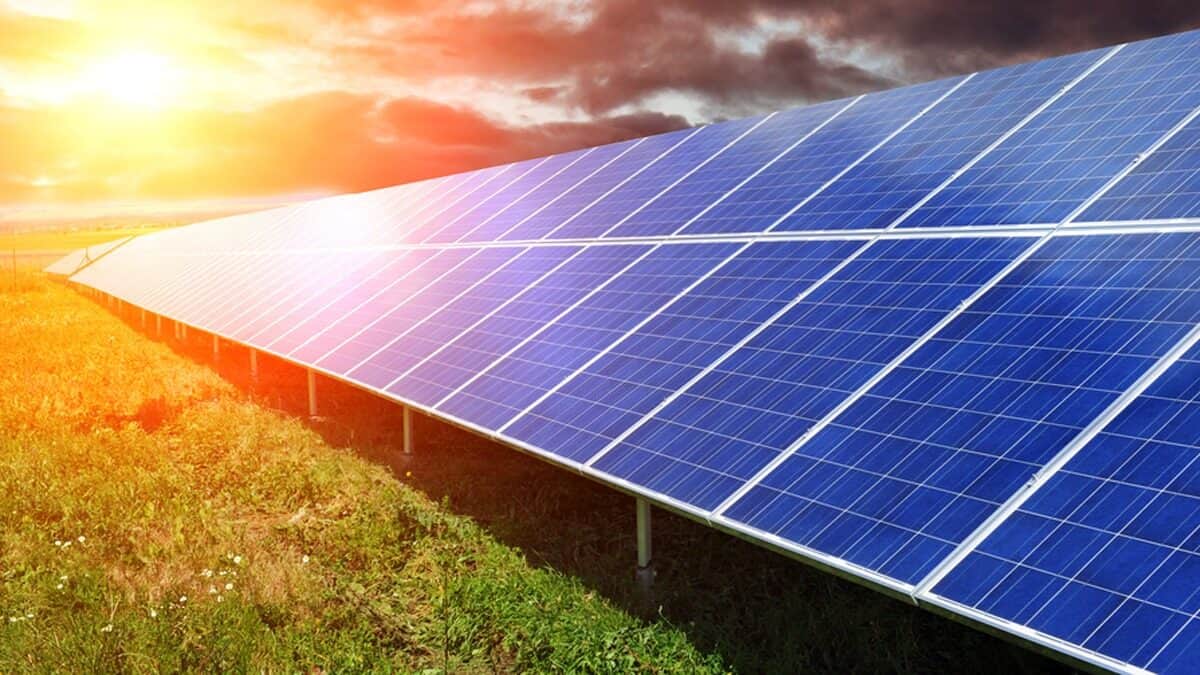
Here is the irony: the policy shift itself is not unreasonable. In fact, it aligns with how many other countries have managed the transition from generous solar incentives to more sustainable frameworks. During the 2010s, when solar panels were expensive and clean energy penetration remained low, governments worldwide offered subsidies and incentives to encourage early adoption. Pakistan followed this trend, including markup subsidies for solar panel purchases. The logic was sound: jumpstart the market, reduce dependency on fossil fuels, and promote renewable energy infrastructure.
But circumstances changed dramatically. Solar prices collapsed globally while grid electricity prices surged, particularly in Pakistan. This surge resulted from persistent inefficiencies in grid pricing, compounded by the absence of taxes and duties on solar panel imports. The incentive structure became severely imbalanced. Suddenly, solar adoption was not just attractive but overwhelmingly advantageous compared to grid electricity. The country saw a flood of net-metering connections, creating unintended consequences for both the grid infrastructure and non-net-metered consumers.
These consequences are real and significant. Grid tariffs increase because the system still bears the responsibility of providing power to net-metered users during non-solar hours, often at rates that fail to reflect actual costs. The grid faces stability challenges, including high power inflows during peak solar hours, especially when prosumers install panels exceeding their sanctioned load. These technical and financial pressures cannot be ignored indefinitely.
Other countries faced similar challenges and responded with timely adjustments. Australia and South Africa gradually reduced incentives as solar adoption reached critical mass. They managed these transitions smoothly because they acted decisively when the data indicated change was necessary. Pakistan took a different path. Authorities spent approximately a year deliberating over potential changes while net-metering connections continued rising rapidly, further adding to the system’s cost burden.
This is where the government’s failure becomes inexcusable. Had officials acted promptly, they could have protected existing users under the old framework while applying new rules only to future connections. This approach would have been fair, predictable, and legally defensible. But they waited. During that year of indecision, net-metering connections doubled. The situation escalated from manageable to urgent, forcing the government into a corner where even existing users had to be included in the policy shift.
The government may have legal authority to alter terms for existing users, but legality is not the only consideration in policymaking. Such moves damage sentiment and deepen public mistrust in government commitments. When people invest significant capital based on policy assurances, changing those terms retroactively sends a message that government promises are worthless. This perception undermines future investment decisions across all sectors.
Some observers suggest the delay resulted from pressure by the solar panel and inverter importers’ lobby. Whether this is true or not, the government deserves criticism for allowing the problem to grow beyond reasonable proportions before taking necessary action. The consequence is a controversy that could have been avoided entirely through timely, transparent policymaking.
Policy inconsistency remains one of Pakistan’s most serious impediments to investment. Different rules for different consumers and investors create an environment of uncertainty that discourages both domestic and foreign capital. This pattern is not new in Pakistan’s power sector. Since 1994, power policies have demonstrated a remarkable inability to think through consequences or plan for changing circumstances.
Consider the Independent Power Producers saga. During periods of crippling electricity shortages, the government continued approving new IPPs without considering what would happen when these plants came online simultaneously. The result: expensive surplus capacity, rising costs, and expanding circular debt. Over three decades, the government has held three rounds of negotiations with IPPs. Each time, local investors bore the brunt of adjustments while the government hesitated to challenge foreign investors. Today, the highest capacity payments are linked to Chinese IPPs and associated debt, yet negotiations with them appear to have been abandoned.
Net-metered prosumers now feel betrayed, and understandably so. These approximately 450,000 users are relatively affluent and contribute significantly to the economy. Alienating this group carries economic and political costs. However, context matters. Net metering does not directly impact ninety percent of grid users. Furthermore, nearly ninety percent of solar adoption comes not from net-metered prosumers but from poorer households operating outside the net-metering framework or from large industrial consumers.
Pakistan emerged as a climate-stressed country and received international pressure to undertake appropriate measures. The IMF extended a Climate Resilience and Sustainability Facility loan by May 2025, with renewables rightly considered the way forward. The incumbent government extended incentives but failed to anticipate the scale of uptake, mostly among middle-income earners and above. The resulting decline in electricity demand from the national grid, which serves 37.6 million people, increased capacity payments, which became the major driver behind Nepra’s rule changes.
Solar adoption may well continue despite the policy change. Battery-based solutions could expand, potentially benefiting the economy by reducing grid dependency during peak hours. But these potential silver linings do not excuse the government’s handling of this transition. The policy direction was correct. The execution was disastrous.
The fundamental lesson is this: policy certainty matters more than perfect policy. Investors and consumers can adapt to changing frameworks if those changes are communicated clearly, implemented gradually, and respect existing commitments. What they cannot tolerate is sudden reversals that retroactively alter the terms of substantial capital investments. The government created unnecessary controversy around a directionally sound policy adjustment. This episode further dampens investor and public sentiment at a time when Pakistan desperately needs both. Once again, poor governance has turned a manageable policy evolution into a credibility crisis.