
Faiza Ijaz
In the quest for improved Pakistan-Iran relations, one significant obstacle looms large – the presence of armed malign actors operating along the shared border. This includes a mix of criminals, drug smugglers, and armed militants with separatist and extremist ideologies. The confrontations between these elements and security forces often result in casualties on both sides, straining the ties between the two nations. Recently, during the visit of army chief Gen Asim Munir to Iran, border security emerged as a prominent theme. The leaders from both countries vowed to tackle terrorism by sharing intelligence and enhancing cooperation, signifying a critical step towards addressing the issue.
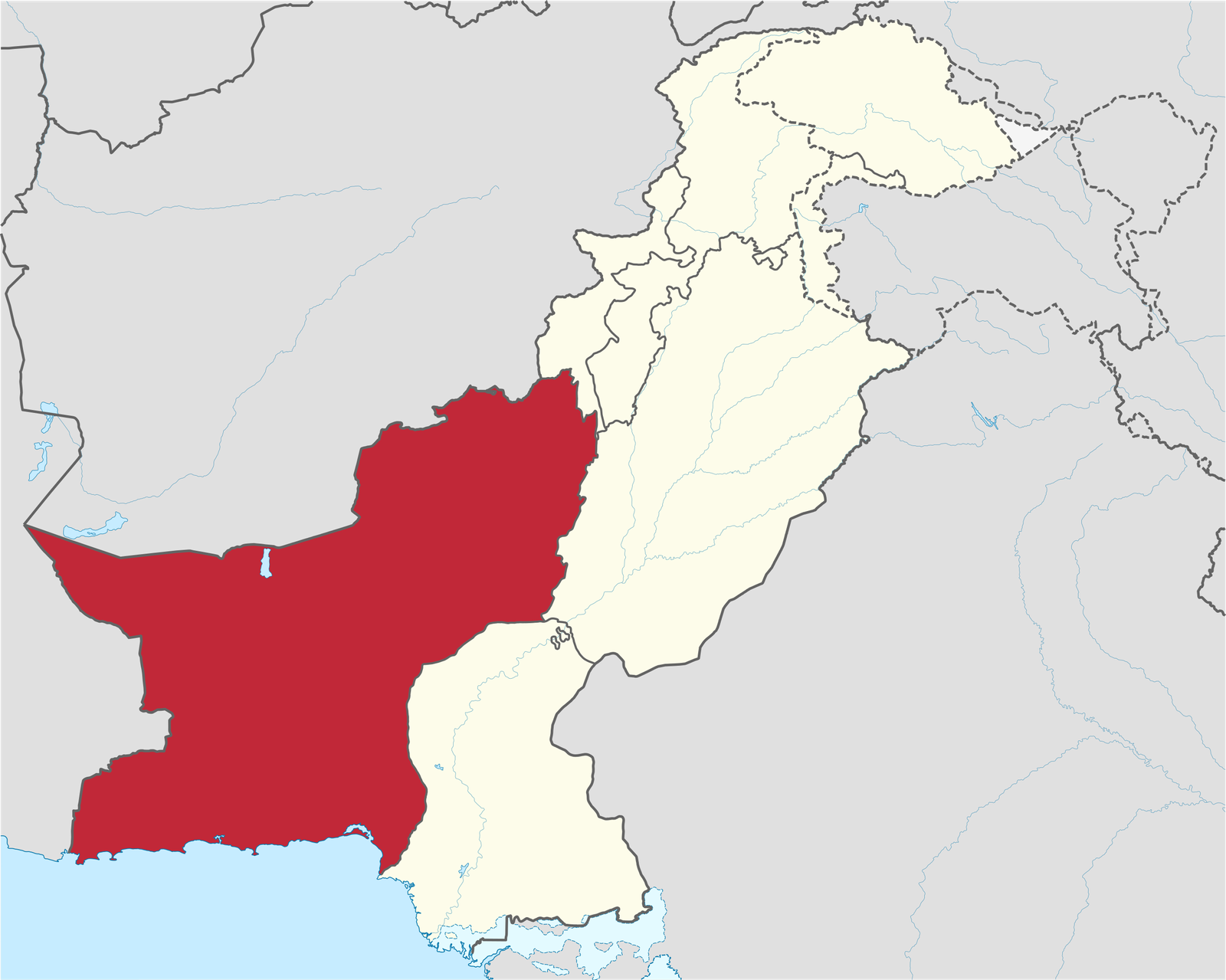
Challenges at the Common Border: The common border of Pakistan and Iran has become a hotbed for various illegal activities, with armed malign actors exploiting the porous boundaries. Criminal elements, particularly drug smugglers, have been taking advantage of the situation to conduct their illicit trade, leading to mutual losses. Furthermore, armed militants subscribing to separatist and extremist ideologies pose a serious security threat to both nations. These confrontations have hindered the progress of bilateral relations and demand immediate attention.
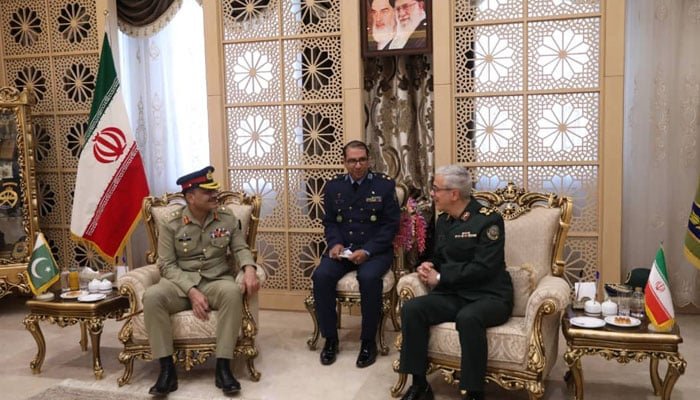
Gen Asim Munir’s Diplomatic Efforts: During his recent visit to Iran, Gen Asim Munir engaged in crucial diplomatic efforts to address the issue of border security. He held meetings with key Iranian officials, including the president, foreign minister, and top generals, representing both the regular army and the Pasdaran. The focus of these discussions was to find a way to eradicate the menace of terrorism along the border through intelligence sharing and collaborative efforts.
Don’t forget to Subscribe our channel & Press Bell Icon.
Promising Signs of Cooperation: A notable development during Gen Asim Munir’s visit was the shared commitment of both nations to tackle terrorism together. The joint pledge to eradicate the threat indicates a willingness to cooperate and strengthen ties. Intelligence sharing is a critical aspect of this cooperation, as it can lead to more targeted and effective operations against the armed malign actors operating in the border region.
Continued Efforts for Bilateral Progress: This visit marks the second high-level exchange between Pakistan and Iran in recent months, reflecting the ongoing efforts to enhance bilateral relations. Earlier, in May, Prime Minister Shehbaz Sharif and President Ebrahim Raisi met to inaugurate the Mand-Pishin ‘border sustenance market.’ These initiatives indicate a mutual desire to foster economic ties and promote people-to-people connections, which can serve as a counterbalance to the challenges posed by armed malign actors.
The Road Ahead: While the recent engagements between Pakistan and Iran show promising signs of cooperation, it is crucial to maintain the momentum and implement concrete measures to tackle border security issues effectively. Intelligence sharing and joint operations will be key in eradicating the menace of terrorism and criminal activities. Both nations must work together to fortify their common border and prevent armed malign actors from exploiting vulnerabilities.

Click here to read the July issue of Republic Policy Magazine.
In a recent meeting between Mr Raisi and the COAS, the importance of maintaining “safe economic borders” was emphasized. However, in the realm of top-level exchanges, spoilers always seem to follow closely behind.
For instance, after the Sharif-Raisi meeting, Iran suffered a loss of security personnel in a terrorist attack near the Pakistani border. Likewise, in April, at least four Pakistani personnel lost their lives in a terrorist assault in Kech, believed to be orchestrated by terrorists operating from Iran.
To effectively monitor the border area and prevent terrorist and criminal violence, close collaboration between both militaries and foreign ministries is essential, as promised during the COAS’s visit to Tehran.
Through intelligence sharing and improved coordination, the security situation in border areas can be enhanced, thwarting malign actors from exploiting either country’s soil to harm the other.
Militant groups backed by hostile states will persist in attempting to disrupt the atmosphere, necessitating redoubled efforts from the leaderships of both nations to pacify the border region.
Alongside bolstering security, promoting economic activity will prove beneficial for underdeveloped areas in Sistan-Baluchestan and Balochistan.
By fostering increased trade and people-to-people contacts, Pakistan-Iran relations can be strengthened, provided both states jointly address the issue of terrorism and violent crime.
Subscribe our website for latest updates:
https://republicpolicy.com/shop/
Read More