
Editorial
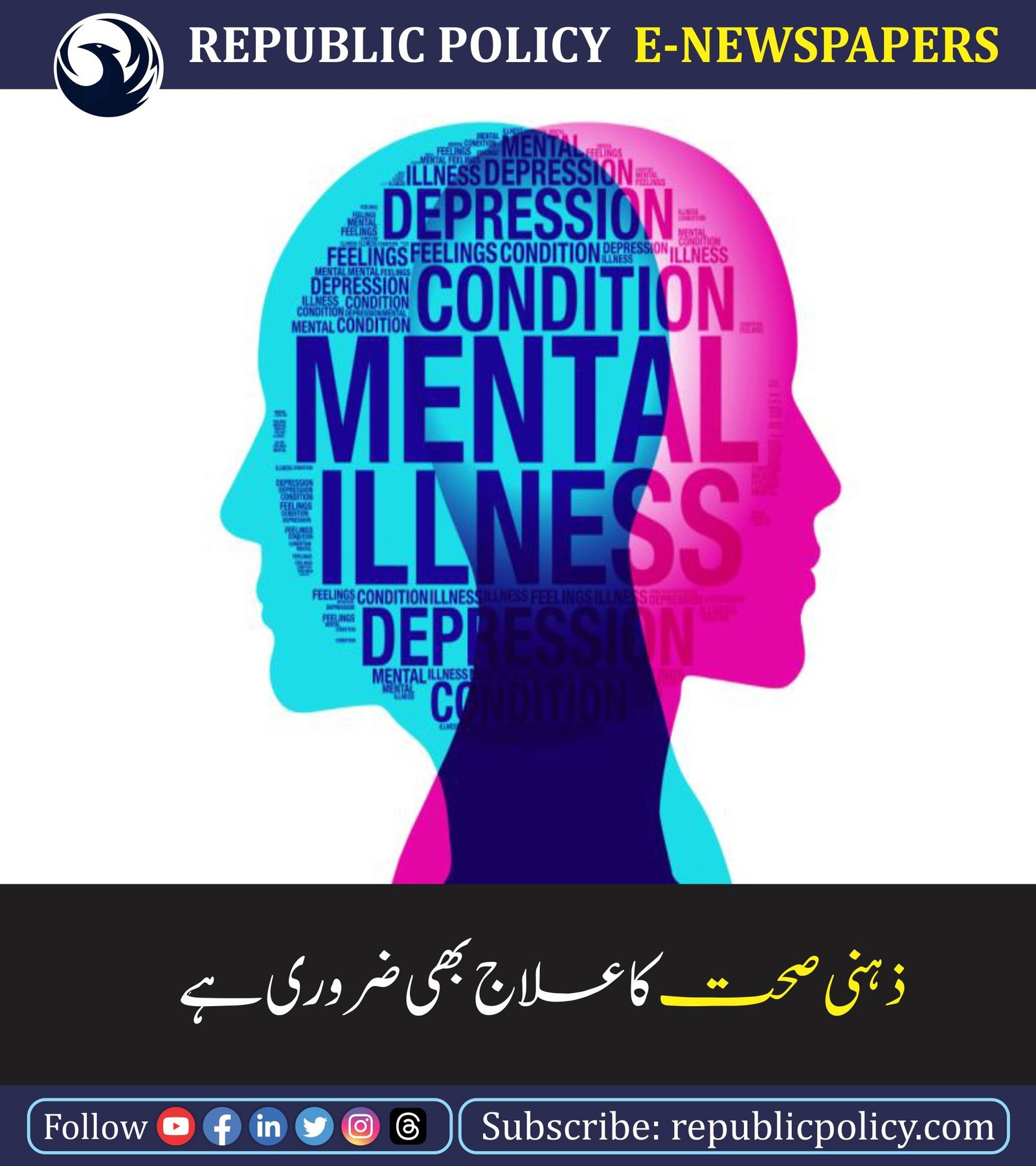
Mental health is essential for everyone, including civil servants. Civil servants play a vital role in society, and their mental health can significantly impact their ability to perform their duties effectively.
Many factors can contribute to poor mental health in civil servants, including:
- Work-related stress: Civil servants often face pressure due to long hours, heavy workloads, and unrealistic deadlines.
- Traumatic experiences: Civil servants may be exposed to traumatic experiences, such as violence or natural disasters, which can lead to post-traumatic stress disorder (PTSD) and other mental health problems.
- Personal problems: Civil servants may also experience emotional issues, such as financial or relationship problems, impacting their mental health.
Poor mental health can have several negative consequences for civil servants, including:
- Reduced productivity: Civil servants with poor mental health may be less productive due to fatigue, difficulty concentrating, and absenteeism.
- Increased errors: Civil servants with poor mental health may be more likely to make errors at work, which can have serious consequences.
- Increased sick leave: Civil servants with poor mental health may take more sick leave, which can strain their colleagues and the organization.
- Increased risk of suicide: Civil servants with poor mental health are at an increased risk of suicide.
Please, subscribe the official website of the republicpolicy.com
Several things can be done to improve the mental health of civil servants, including:
- Stress management: Civil servants should be taught stress management techniques, such as relaxation exercises and time management skills.
- Support groups: Civil servants should have access to support groups to share their experiences with others and receive support.
- Counselling: Civil servants struggling with mental health problems should be offered counselling services.
- Workplace policies: Organizations should have procedures in place to support the mental health of their employees, such as flexible working arrangements and leaves of absence for mental health reasons.
Pl, subscribe the magazines of republicpolicy.com
It is important to take mental health seriously in the workplace, as it can significantly impact civil servants’ ability to do their jobs effectively. By providing support for mental health, organizations can help improve their employees’ well-being and create a more productive and positive work environment.
In addition to the factors mentioned above, several other cultural and social factors can contribute to poor mental health in civil servants in Pakistan. These include:
- The stigma associated with mental illness: Mental illness is often stigmatized in Pakistani society, which can prevent people from seeking help.
- Lack of awareness about mental health: Pakistan lacks awareness about mental health, making it difficult for people to understand and manage their mental health problems.
- Limited access to mental health services: There is limited access to mental health services in Pakistan, making it difficult for people to get the help they need.
Pl, subscribe the YouTube channel of republicpolicy.com
It is essential to address these cultural and social factors to improve mental health in civil servants in Pakistan. This can be done through education and awareness campaigns and by providing more accessible mental health services.