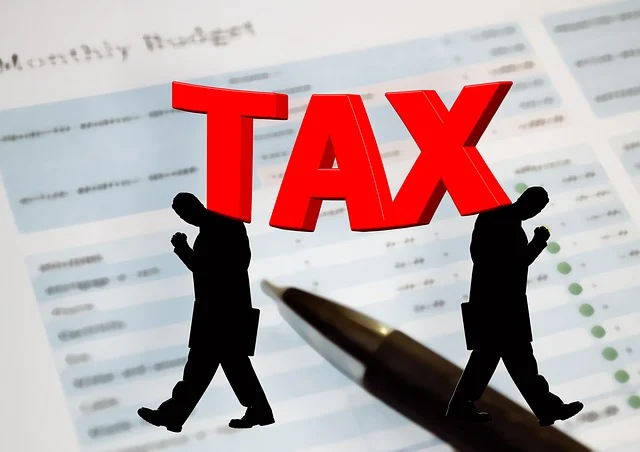

Pakistan’s current economic situation is no longer just about rising prices — it is about who is being forced to carry the burden. With fuel prices climbing, new taxes under pressure, and limited relief measures, the strain is becoming increasingly visible across everyday life.
Recent steps like petrol subsidies for motorcyclists and targeted relief packages suggest that the government is trying to ease public pressure. But on ground, these measures feel too small against a much larger crisis. Transport costs are still rising, food prices remain unstable, and household budgets continue to shrink.
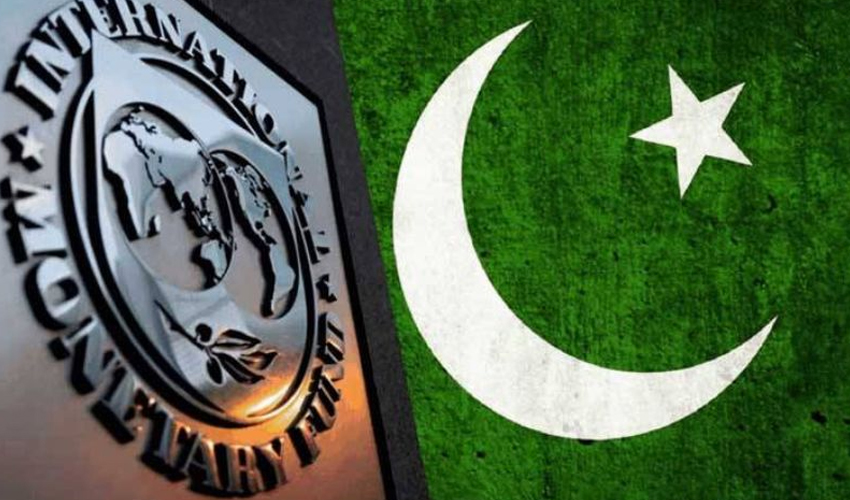
At the same time, Pakistan’s ongoing engagement with international financial institutions has added another layer of complexity. Policy decisions are now not just domestic choices — they are influenced by external conditions, often leaving little room for flexibility. The result is a model where taxes increase, subsidies shrink, and the public absorbs the shock.
What stands out in this situation is the growing disconnect between policy intent and public experience. While economic stability is the stated goal, the path being taken is creating short-term hardship without visible long-term relief.
This raises a difficult but necessary question: is the burden being shared fairly?
For many, the answer appears to be no. Salaried individuals and small businesses continue to face increasing pressure, while structural issues like undocumented sectors and inefficiencies remain largely unaddressed.
Pakistan does not just need economic decisions — it needs economic trust. Without a sense of fairness and direction, even the right policies risk losing public support.
Because in the end, stability is not built only on numbers — it is built on how those numbers affect people.