
Editorial
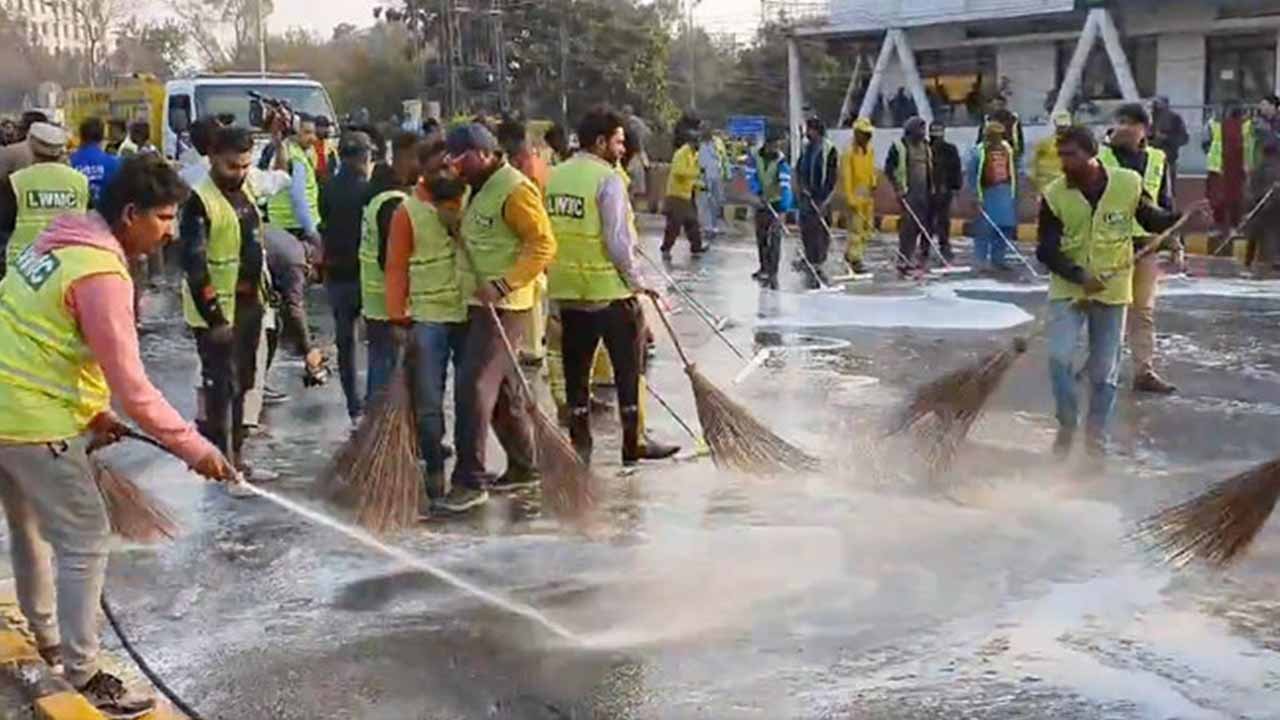
The growing international recognition of Chief Minister Punjab Maryam Nawaz Sharif’s Suthra Punjab programme marks an important moment for subnational governance in Pakistan. After being acknowledged at COP 30 and by global platforms such as Forbes and Bloomberg, the BBC has now highlighted Clean Punjab as a model worthy of emulation, reporting that it has inspired waste management reforms in the United Kingdom. This recognition challenges long held assumptions about innovation flowing only from developed to developing countries.
<a href=”http://republicpolicy.com” target=”_blank”>Follow Republic Policy</a>
According to the BBC, the Clean Punjab model has reached Birmingham, where a local volunteer group sought guidance from Punjab for the first time in the city’s history. Birmingham has faced recurring garbage accumulation and strike related disruptions, and the report notes that lessons from Punjab’s experience have helped local actors rethink their approach to waste management. This reversal of learning, from Punjab to a major British city, reflects the practical effectiveness of the Suthra Punjab framework. <br>
<a href=”https://www.youtube.com/@TheRepublicPolicy” target=”_blank”>Follow Republic Policy</a>
The BBC also highlighted a digital partnership between Punjab’s waste management experts and Birmingham volunteers. The engagement began at the COP 30 climate conference in Brazil and continued through online consultations. Punjab’s model was formally presented at the Pakistan Pavilion, while the Lahore Waste Management Company leadership shared operational insights on planning, community engagement, and service delivery. This exchange demonstrated how technology can bridge governance experiences across borders.
<a href=”https://x.com/republicpolicy” target=”_blank”>Follow Republic Policy</a>
International recognition has also focused on the economic dimension of Suthra Punjab. Bloomberg has described Punjab’s Waste to Value project as a major initiative, estimating its annual contribution to the provincial economy at around Rs 300 billion through environmentally sustainable activities. Together, these endorsements suggest that Clean Punjab is not merely a cleanliness drive but a governance reform with environmental, economic, and institutional impact.
<a href=”https://facebook.com/republicpolicy” target=”_blank”>Follow Republic Policy</a>