
Barrister Naveed Qazi
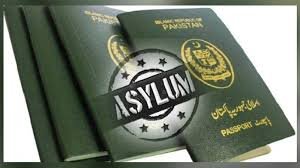
There is a quiet crisis unfolding in the corridors of British immigration policy, and Pakistan sits uncomfortably at its centre. The numbers alone tell a stark story. Over ten thousand Pakistani nationals filed asylum claims in the United Kingdom in 2024 — nearly double the figure from the previous year. Pakistan now holds the unenviable distinction of being the single largest source of asylum applicants in Britain. This is not a statistic that either government wishes to dwell upon publicly, but it demands honest examination.
Britain has been tightening its immigration architecture with unmistakable urgency. The government recently imposed what it termed an “emergency brake” on specific visa routes linked to countries whose nationals were deemed to be disproportionately misusing legal channels to lodge asylum claims. Pakistan, despite topping the asylum charts, has not yet been subjected to these sweeping restrictions. The diplomatic explanation is that Islamabad has been cooperating. When rejected claimants are formally identified and travel documents are arranged, Pakistani authorities have generally facilitated their return. This cooperation has, at least for now, shielded Pakistani visa applicants from the worst of London’s new restrictions. But this is a fragile shield. Goodwill in immigration diplomacy is measured in sustained results, not gestures, and the numbers are still climbing.
What makes this crisis particularly complex is the route through which many of these claimants arrived. A significant portion entered Britain entirely legally — on student visas, visitor visas, or work permits — and then, once inside the country, pivoted to asylum claims. This is not illegal in itself. The right to seek asylum is enshrined in international law regardless of how one entered a country. But the pattern raises a more uncomfortable question: are legal visa routes increasingly functioning as a pipeline for asylum claims that would otherwise never be granted entry? The evidence suggests they are, and this has consequences that extend far beyond the individuals concerned.
Consider what rejection rates reveal. More than seventy percent of Pakistani asylum claims are reportedly turned down by British adjudicators. These are not close calls. These are cases that fail to meet the legal threshold for protection under the Refugee Convention or Human Rights law. When the overwhelming majority of claimants from a given country are rejected, it signals something systematic: that many people are filing claims not because they face genuine persecution, but because the asylum process offers a temporary reprieve from removal, sometimes stretching into years of residence while cases wind through appeals. The system, designed to protect the truly vulnerable, is being used as a migration strategy by those who do not qualify.
This matters enormously for Pakistan’s legitimate overseas interests. Every Pakistani student who sits a language exam, prepays a year’s university fees, and demonstrates genuine academic intent is now scrutinised through a lens shaped by this asylum dynamic. British visa officers are not naive. They see the pattern. When they encounter a new applicant from Pakistan, they are calculating risk in a context where their country’s data tells them that a sizeable proportion of Pakistanis who enter legally end up lodging asylum claims. The innocent pay the price for the pattern. Scholarship students, professionals on skilled worker visas, academics attending conferences — all carry an invisible burden of suspicion that has been placed on their shoulders by others who gamed the system.
For Pakistan, the challenge is genuinely twofold, and neither half is easy. The first is diplomatic and administrative: deportations must be accepted efficiently, documentation must not be obstructed, and Pakistan must be seen to take its responsibilities seriously. So far, Islamabad has done reasonably well on this front, which has preserved the visa relationship. But cooperation on deportations is ultimately a reactive measure. It addresses the consequences of asylum claims, not their cause.
The second and more fundamental challenge is domestic, and this is where Pakistani policymakers have been far too slow. Why are tens of thousands of citizens concluding that seeking asylum in Britain is worth attempting, even when they know the odds are against them? The answer lies in a combustible mixture of economic desperation, deliberate misinformation, and institutional failure at home. Pakistan’s labour market cannot absorb the aspirations of its growing, educated youth population. Inflation has gutted middle-class purchasing power. Simultaneously, a shadow industry of unscrupulous migration agents has flourished, feeding false hope to vulnerable families. These agents take substantial fees and paint fantastical pictures of life in Britain — promising that once you are there, asylum will be granted, legal status will follow, and a new life will begin. The reality is a long, anxious wait followed almost always by rejection and removal. The agents have already been paid and move on to their next client.
This misinformation ecosystem is a national crisis that Pakistan has not treated with the urgency it deserves. The Federal Investigation Agency periodically runs operations against illegal agents, but enforcement remains inconsistent and deterrence weak. There is no sustained public information campaign that honestly communicates Britain’s rejection rates, the conditions of detention during asylum processing, or the realities of forced removal. Pakistani embassies in Britain publish warnings occasionally, but these rarely reach the rural districts and secondary cities from which many claimants originate.
The geopolitical stakes are significant. Britain and Pakistan have deep historical, educational, and commercial ties. Hundreds of thousands of Pakistanis live in Britain as settled citizens, contributing enormously to British economic and cultural life. That relationship is an asset. The asylum surge threatens to reduce it to a liability in British political discourse. If asylum numbers are still rising in 2025 and 2026, the political pressure on London to impose visa restrictions will become irresistible, regardless of how cooperative Islamabad has been on deportations.
Pakistan must not wait to be coerced. It must act with self-awareness and speed. Address the migration agents. Run honest public campaigns. Build economic opportunity at home with genuine urgency. The window to protect Pakistan’s legitimate diaspora interests — its students, its professionals, its families — is still open. It will not remain so indefinitely.