
Editorial!
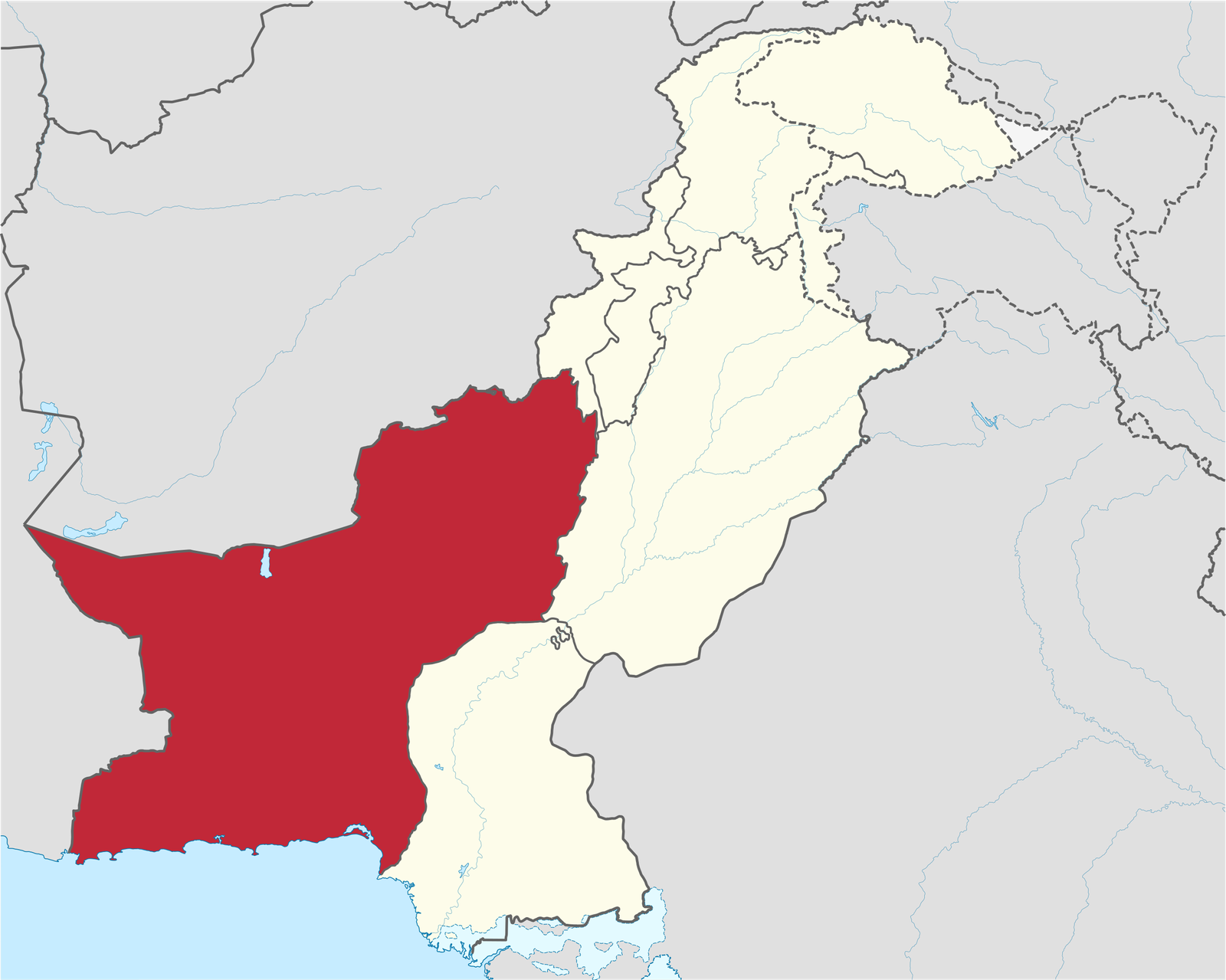
Pakistan faces a fundamental truth about Balochistan: legitimate grievances demand constitutional resolution, but separation remains impossible. No federation anywhere permits its own dismemberment. Pakistan won’t be the exception.
The Baloch people deserve their participatory rights. Their constitutional protections matter. Their provincial autonomy under Pakistan’s federal structure isn’t negotiable—it’s their right. But these rights exist within the constitutional framework, not outside it. This distinction isn’t semantic. It’s existential.
Balochistan’s separation would trigger Pakistan’s complete disintegration. The state would use whatever force necessary to prevent this outcome. Pakistan is a nuclear power. It will defend its territorial integrity with the full spectrum of available power. No one should mistake this reality for bluster or negotiating position. It’s institutional survival instinct written into every state’s DNA. Baloch separatists, India & other powers must know it. Then, there is no way, a few lakh Baloch people disintegrate Pakistan. Even, now it can’t happen with the foreign intervention. The example of East Pakistan is out of context. However, it doesn’t mean, Pakistan can resolve the issue without democracy & federalism.
The arithmetic alone makes separation absurd. Four to five million Baloch live in Balochistan proper. Over ten million live in Sindh. More than fifteen million populate southern Punjab. What happens to them in a “separate” Balochistan? The demographic distribution exposes the fundamental incoherence of separatist logic.
Baloch survival depends on federation with Pakistan. Their future prosperity, their security, their development—all tie directly to Pakistan’s federal structure functioning properly. The answer to Balochistan’s problems isn’t exit. It’s voice. It’s constitutional enforcement. It’s making federalism work as designed.
Pakistan must address Baloch grievances through genuine provincial autonomy, resource-sharing agreements, local governance empowerment, and constitutional compliance with only representative governments. The state owes Balochistan its full federal rights. But Balochistan owes Pakistan its continued membership in the federation.
This isn’t oppression. It’s federalism. Every multi-ethnic federation faces centrifugal pressures. Managing these pressures through constitutional accommodation rather than coercion defines successful federations. Pakistan must choose accommodation. But it will never choose disintegration. The path forward requires both sides accepting hard realities: Baloch deserve their constitutional rights. Pakistan deserves its territorial integrity. These positions aren’t contradictory. They’re complementary within a functioning federal democracy.