Dr Bushra Niazi
Gender equality is a fundamental human right that ensures men and women have equal opportunities and outcomes in life. It transcends simply having the same number of men and women in a particular space. It’s about dismantling the power imbalances that have historically disadvantaged women.
This means equal access to education, healthcare, economic participation, and political representation. It also means freedom from discrimination based on gender stereotypes and harmful cultural practices. In essence, gender equality creates a level playing field where women can reach their full potential without limitations imposed solely because of their gender.
Gender equality is crucial for the empowerment and growth of women in Pakistan for several reasons. When women are empowered economically, they can participate more fully in the workforce. This not only improves their own livelihoods and financial security but also contributes significantly to the national economy. Studies have shown that increased female labor force participation leads to higher GDP growth.
Gender equality fosters a more just and equitable society. When women are educated and empowered, they are better equipped to advocate for themselves, their families, and their communities. This leads to improved social indicators like child health, education levels, and overall well-being.
In patriarchal societies, women often lack access to education and resources, trapping them and their families in a cycle of poverty. Education empowers women to break free from this cycle, make informed choices, and improve their earning potential. This, in turn, allows them to invest in their children’s education and health, creating a ripple effect of positive change across generations. When women are excluded from education and economic opportunities, it represents a significant waste of human talent. Gender equality allows all citizens, regardless of gender, to contribute their skills and ideas, leading to a more innovative and productive society.
Research suggests that societies with greater gender equality experience lower levels of violence and conflict. When women have a voice and are active participants in social, economic, and political spheres, it fosters a more stable and peaceful environment for everyone.
By achieving gender equality, Pakistan can unlock the full potential of its female population, leading to a more prosperous, equitable, and peaceful nation for all.
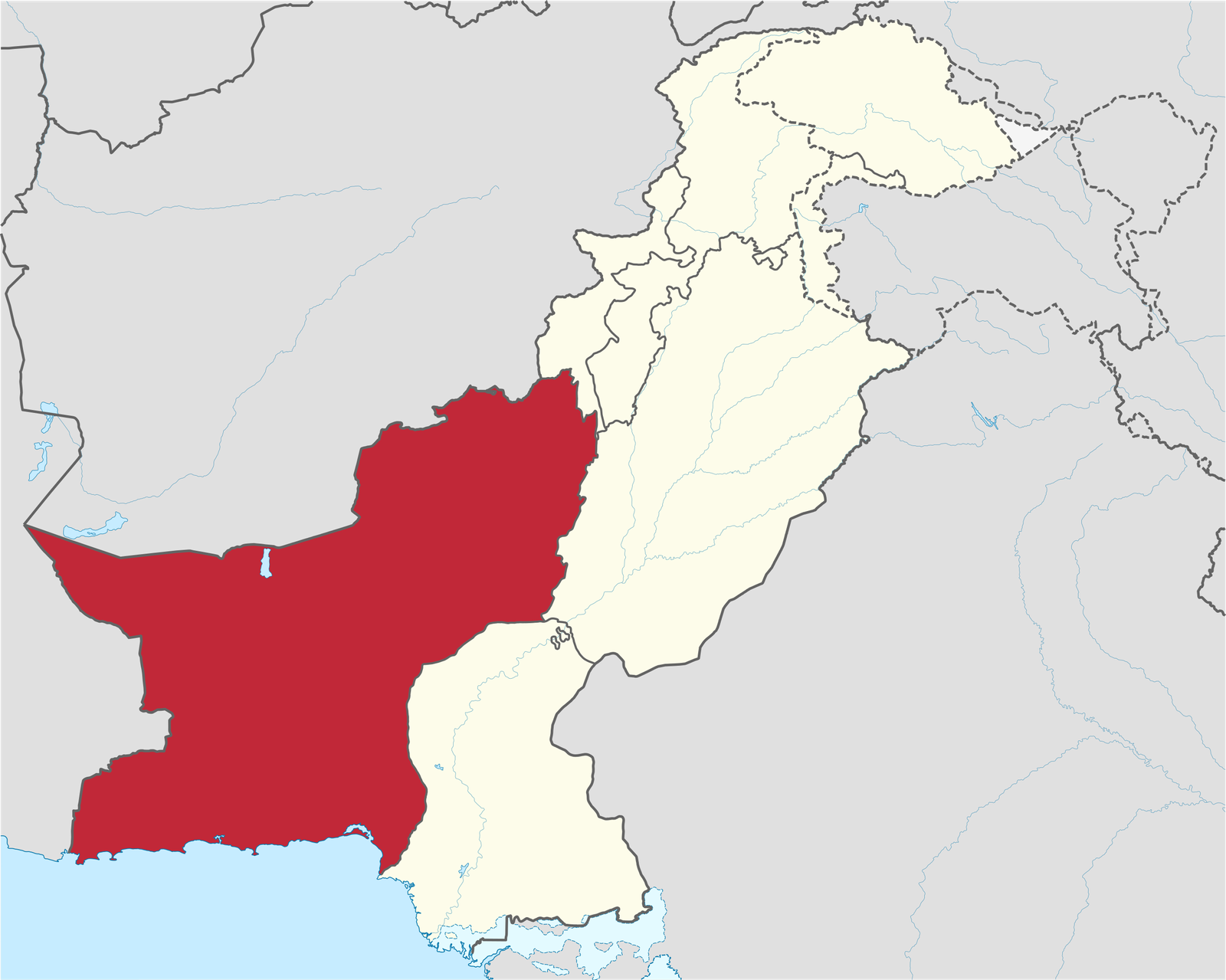
International Women’s Day, observed on March 8th every year, is a global celebration of women’s fight for equality. It’s a day to raise awareness about the rights women deserve and demand action to achieve gender parity. In Pakistan this year, the day held a special significance. It was a time to honor the tireless efforts of women like Mahrang Baloch, who came all the way from Balochistan to Islamabad, the capital city. These women were seeking answers from the government about the enforced disappearances of their loved ones, a critical issue in the region.
International Women’s Day was also a day to express solidarity with the Aurat Marches held across the country. These marches, a testament to the resilience of Pakistani women, highlighted the various challenges and issues faced by them. The women participating in these marches bravely defied threats of violence from certain sections of society who believe in keeping women repressed. Throughout history, Pakistani women have fought relentlessly against discriminatory cultural traditions and restrictive laws, especially those introduced during the regime of General Ziaul Haq. These laws promoted the idea that a woman’s place is confined to the home, veiled and unseen. While there have been some improvements since those dark days, progress has been painfully slow.
The theme for International Women’s Day this year, chosen by the UN, was “Invest in Women: Accelerate Progress.” This theme is particularly relevant to the situation in Pakistan. The country holds the distinction of having elected the first female Prime Minister in a Muslim-majority nation. Additionally, many privileged Pakistani women hold positions of power in both public and private sectors. Just recently, two Pakistani women were even recognized on the Forbes list of “100 Most Powerful Businesswomen.”
However, the reality for a vast majority of Pakistani women, especially those from marginalized communities, is far less empowering. The World Economic Forum’s Global Gender Gap Report 2023 ranked Pakistan at a dismal 142nd place out of 146 countries, with a gender parity score of 57.5, the highest it’s been since 2006. The report assessed gender parity across four key dimensions: economic participation and opportunities, educational attainment, health and survival, and political empowerment. This low ranking paints a grim picture of the conditions faced by women in Pakistan, a consequence of the country’s patriarchal culture. In this culture, women are often seen as possessions by male members of their families, who control major life decisions for them, including education, work, and even marriage.
Education is a powerful equalizer and the key to women’s emancipation. It equips them with self-confidence and opens doors to various career opportunities. Prioritizing girls’ education should be at the forefront of the national agenda for women’s rights.
The organizers of the Aurat Marches, while raising their voices against gender bias and stereotypes, should prioritize advocating for the creation of an equitable and inclusive environment for all. This collective effort, driven by the potential for change, can make a significant positive difference for everyone in Pakistan, ultimately leading to the country’s socio-economic progress.
Achieving gender equality in Pakistan requires a multi-pronged approach that tackles both cultural norms and systemic inequalities. Firstly, prioritizing girls’ education is paramount. By dismantling barriers to education, girls gain the knowledge and confidence to challenge social constructs and pursue their chosen paths. Secondly, legal reforms are essential to dismantle discriminatory laws and practices. Strengthening enforcement mechanisms for existing laws against violence and harassment is crucial. Thirdly, cultural awareness campaigns are needed to challenge deeply ingrained patriarchal attitudes. These campaigns can promote positive messages about gender equality through media, education, and community outreach programs.
Empowering women economically is another critical step. This can be achieved by providing skills training, microfinance opportunities, and promoting women-owned businesses. Additionally, increasing women’s participation in political processes ensures their voices are heard, and policies reflect their needs. Finally, men must be active partners in achieving gender equality. Educational programs and awareness campaigns can help men understand the benefits of a society where women are empowered. It’s a collective effort – women advocating for themselves and their rights, men becoming allies, and the government implementing strong policies – that will pave the way for a more just and equitable Pakistan.
Please, subscribe to the YouTube channel of republicpolicy.com