
Editorial
The power of bureaucracy is undeniable. Its machinery churns through vast amounts of information, shaping everything from elections to infrastructure. Yet, beneath this seemingly impenetrable facade lies a vulnerability: the ease with which a single fabricated document can slip through the cracks, potentially warping the course of justice. This vulnerability is particularly concerning in cases of electoral fraud, where a web of manipulated papers can mask the valid will of the people.
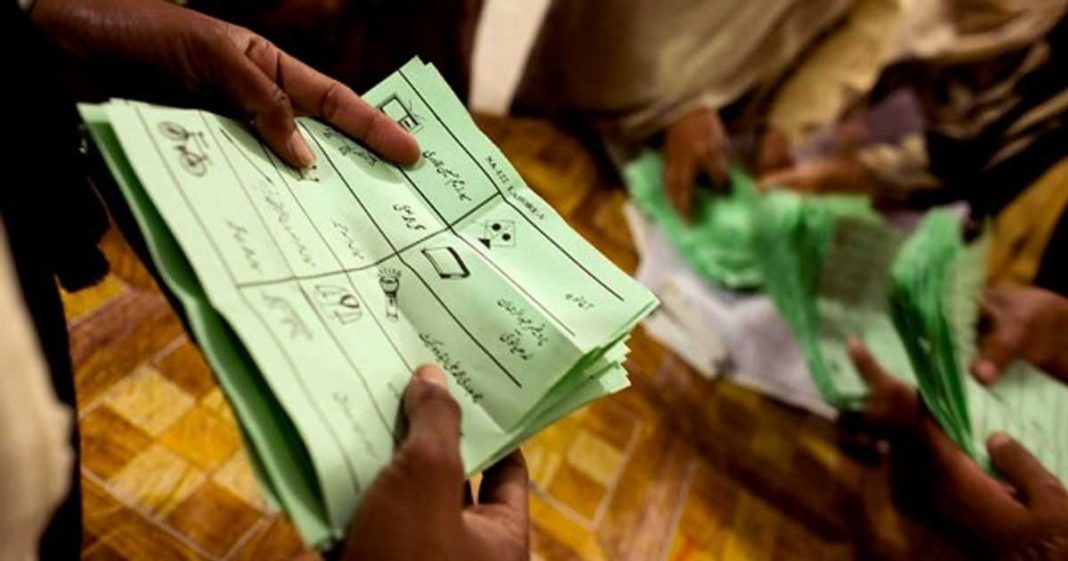
The statement points to a concerning reality: bureaucracy, despite its capacity for meticulous record-keeping, often struggles to identify and disprove fabricated documents. In large-scale elections, where millions of votes are cast and documented, identifying a single forged paper amid countless others becomes a daunting task. Counter files, duplicate forms, and forged Form 45s (documents recording polling station results) can create a labyrinth of doubt, making it nearly impossible to definitively prove or disprove manipulation. Then, importantly, if investigators are competent, election fraud can easily be dissected.
Further complicating the issue is the legal bind faced by returning officers and presiding officers. Sworn to uphold the law, they cannot offer false testimony in court. This potentially shields them from accountability even if they were involved in or aware of manipulation. Similarly, government employees bound by legal and ethical codes are unlikely to risk presenting forged documents, limiting the available evidence to dissect the fraudulent activity. Therefore, it is critical that a rigged election case be sent to court as soon as possible so that the validity of the elections can be established.
Accordingly, accelerate the investigation and court proceedings in cases of alleged mandate theft. The longer these cases linger, the harder it becomes to gather evidence and unravel the truth. Swift legal action serves as a powerful deterrent against electoral manipulation and encourages swift resolution for those seeking legitimate recourse.
Beyond individual cases, systemic changes are needed. Strengthening verification protocols for critical documents like Form 45, implementing robust audit trails, and empowering independent oversight bodies are crucial steps in safeguarding the integrity of the electoral process.
Please, subscribe to the YouTube channel of republicpolicy.com