
Amir Chandia
For centuries, the sea has served as a highway of trade, a source of sustenance, and a playground for adventure. Now, in the 21st century, it’s also emerging as a burgeoning new frontier – the blue economy. This concept encompasses all economic activities related to the ocean, from fisheries and shipping to maritime tourism and renewable energy. And for countries like Pakistan, blessed with a vast coastline, it presents a wealth of opportunities to build a vibrant and sustainable future.
Understanding the Blue Economy:
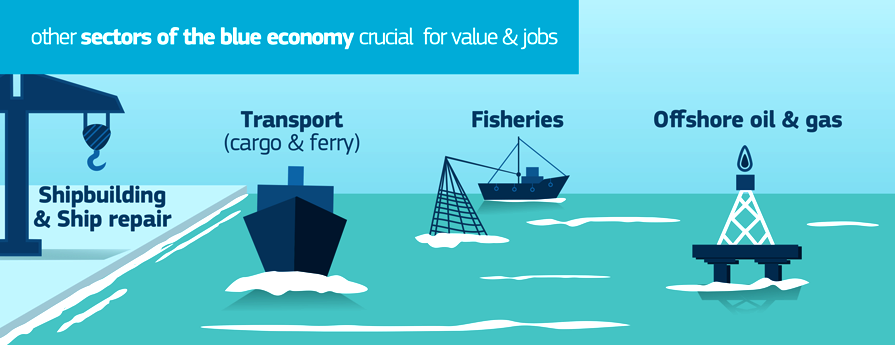
The blue economy goes beyond simply extracting resources from the sea. It focuses on using ocean resources sustainably, while protecting marine ecosystems and fostering long-term economic growth. This includes activities like:
- Sustainable fishing: Utilizing responsible fishing practices to ensure healthy fish stocks for future generations.
- Offshore renewable energy: Harnessing the power of waves, tides, and wind to generate clean electricity.
- Marine biotechnology: Developing innovative products and medicines from marine organisms.
- Maritime tourism: Attracting visitors to enjoy the beauty and adventure of the coast, contributing to local economies.
- Seabed mining: Responsible extraction of valuable minerals and resources from the ocean floor.
- Port development: Upgrading and expanding port infrastructure to facilitate global trade.
Pakistan’s Coastal Advantage:
Pakistan boasts over 1,000 kilometers of stunning coastline, stretching from the bustling metropolis of Karachi to the rugged beauty of Balochistan. This vast canvas offers a treasure trove of resources and potential for developing a thriving blue economy. Here are some specific ways Pakistan can leverage its coastal advantage:
- Boosting fisheries: Modernizing fishing practices, investing in aquaculture, and establishing processing facilities can create jobs, increase food security, and generate export revenue.
- Harnessing wind and wave power: The Arabian Sea’s strong winds and waves present an excellent opportunity for developing offshore wind farms and wave energy projects, diversifying the energy mix and tackling climate change.
- Unlocking marine biotechnologies: Pakistan’s rich marine biodiversity holds immense potential for the development of new drugs, cosmetics, and industrial products. Research and development in this field could lead to groundbreaking discoveries and lucrative partnerships.
- Embracing maritime tourism: With its beaches, historical sites, and unique marine life, Pakistan’s coastline has the potential to become a major tourist destination. Developing beach resorts, promoting scuba diving and snorkeling, and creating marine protected areas can attract international visitors and contribute to regional development.
- Modernizing ports: Karachi and Gwadar, with their strategic location on international trade routes, can be upgraded to become major commercial hubs, attracting investment and facilitating global trade.
- Developing coastal infrastructure: Investments in coastal roads, bridges, and desalination plants can improve connectivity, boost local economies, and ensure sustainable water management.
Please, subscribe to the YouTube channel of republicpolicy.com
Challenges and Opportunities:
Building a strong blue economy requires strategic planning, investment, and a commitment to sustainability. Pakistan faces challenges like inadequate infrastructure, environmental concerns, and the need for skilled personnel. However, these challenges can be overcome through:
- Public-private partnerships: Collaboration between government agencies, private companies, and academic institutions can drive investment and innovation.
- Strengthening marine research and education: Investing in marine science programs and training skilled professionals is crucial for sustainable resource management and technology development.
- Adopting international best practices: Learning from other countries that have successfully developed their blue economies can provide valuable guidance and inspiration.
- Protecting marine ecosystems: Implementing robust environmental regulations and conservation measures is essential for ensuring the long-term health of the ocean and its resources.
The blue economy presents a promising path for Pakistan’s future. By harnessing its vast coastline, embracing sustainable practices, and investing in innovation, Pakistan can transform its shores into engines of economic growth, creating jobs, improving livelihoods, and securing a brighter future for generations to come. The ocean is no longer just a source of inspiration; it’s a gateway to prosperity, and Pakistan is poised to unlock its immense potential.
Let’s turn the tide and chart a course towards a thriving blue economy, where the waves of opportunity lap against the shores of a prosperous and sustainable Pakistan.
While the Pakistan Navy’s prowess is undeniable, securing our future requires looking beyond traditional sea, air, and land defense. In today’s world, economic prowess reigns supreme, and nations that leverage their maritime resources hold the cards.
Pakistan boasts a stunning 1,000-kilometer coastline, home to breathtaking natural wonders like the Makran Coastal Highway and Hangul National Park. But beyond scenic beauty, these coastal treasures hold immense economic potential. Gwadar’s role in the China-Pakistan Economic Corridor is just one example.
Maritime tourism offers a game-changer for Pakistan. Neighboring countries like Bangladesh and India are actively tapping into this lucrative sector. Imagine Karachi and Gwadar transformed into bustling tourist hubs, attracting international visitors and boosting the shipbuilding industry. Karachi Shipyard’s four-year build time for ships speaks volumes about its potential.
Think beyond tourism – Pakistan has the capacity to build “Made in Pakistan” ships for cargo, oil delivery, and diverse commercial activities. We currently spend a staggering $7 billion on foreign vessels for maritime trade. Developing our own shipbuilding industry can turn this tide, injecting immense financial resources into our economy.
The Pakistan Navy, with its expertise and strategic location, is best positioned to spearhead this “blue economy” revolution. It can introduce world-class projects, connect Pakistan to global maritime trade routes, and prioritize investments in ports and waterways infrastructure.
Imagine the benefits: foreign tourists arriving by sea, showcasing a vibrant Pakistan to the world, and injecting vital funds into our economy. This is not just a pipe dream; it’s a tangible roadmap to prosperity.
The recent workshop organized by the Pakistan Navy highlights the potential waiting to be unlocked. Let’s embrace this opportunity, leverage our strategic coastline, and chart a course towards a thriving blue economy for Pakistan. Therefore, it is critical for Pakistan to fully utilize the seas and develop the blue economy, which could play a substantive role in developing the local areas, providing job opportunities to the locals, and earning exports.
Please, subscribe to the monthly magazines of republicpolicy.com