




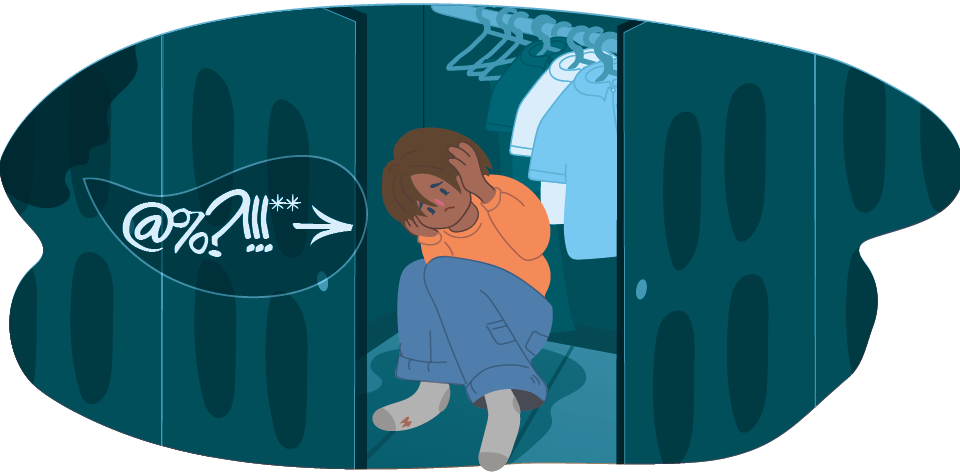

By Shazia Masood Khan – The Invisible Scars: Understanding and Overcoming Emotional Abuse
Author is an assistant professor at a public college.
Practically, Bodily abuse and torcher are effortlessly recognized. As perceptible, emotional abuse is unrecognizable and hard to identify. But emotional abuse can scar a person’s personality long- terms. It is as harmful as physical abuse is; in fact, physical wounds tend to heal, but the wounding and pain from emotional abuse leave long-lasting effects, which are very hard to recuperate from.
People who suffer from emotional abuse often develop personality disorders, mental health issues, chronic depression, and post-traumatic stress disorder. Studies have shown that the majority of individuals with anxiety and stress have experienced emotional abuse.
Mental illness can be triggered by exposure to a toxic environment, and is not a result of genetics. Society has become a cruel place to live, with people ignoring one another’s emotions and feelings, and taking pleasure in making fun of and mocking others. We often do not realize that our words can cause long-lasting harm to the person on the receiving end.
We often ridicule others for their appearance, their clothes, their financial status, their education, and more. We feel entitled to make negative comments about everything we see. This behavior is known as emotional abuse, and it can leave deep scars on the victim’s heart, mind, and soul.
People who have undergone emotional abuse may turn to unhealthy coping mechanisms such as smoking, drinking, drugs, infidelity, and gambling. They become unhappy with themselves and their self-image becomes distorted, leading to an identity crisis. In search of themselves, they may engage in these destructive behaviors.
Emotional abuse can lead to anxiety and panic attacks, and the victim is constantly in a state of fight or flight. They are unable to feel joy and become pessimistic. In extreme cases, the anxiety may become so severe that the victim turns to drugs as a means of escape.
None of these mental disorders are innate; they are caused by society, and unfortunately, often by our own family and friends. Hurtful words and negative comments can cause the brain to release the stress hormone cortisol, which can damage brain cells if released in excess. Emotional abuse can also cause short-term memory loss, mood swings, hormonal imbalances, and personality disorders, among other things.
Many relationships, including marital ones, can become emotionally abusive. In some societies, marriage is not just between a husband and wife, but also between the wife and the husband’s parents and siblings. The wife may be subjected to constant criticism and disrespect from her in-laws and husband.
The victim of emotional abuse becomes emotionally exhausted and develops a hostile personality. Can you imagine the impact on future generations of raising children in such a stressed and unhappy environment? One of the most important relationships is the bond between a mother and child. Motherhood is a challenging role, and the difficulties of raising children cannot be overstated. However, how often do we make negative and hurtful comments to our children? We may not realize how wrong this is because we were likely raised in the same way, and so were our mothers. This cycle must be broken. Our children are exposed to emotional abuse in various forms, including bullying by classmates, yelling and screaming by parents, being humiliated by friends, and being insulted by teachers in the classroom. Unfortunately, teachers often mock and belittle children in front of their peers, leading to a loss of self-respect in the long run.
Unfortunately, college professors and instructors can also sometimes engage in emotional abuse by mocking and belittling students in front of their peers. This can lead to a loss of self-respect in the long run, and is just one of the many forms of emotional abuse that college students may be exposed to, including bullying by classmates, yelling and screaming by authority figures, and being humiliated by peers. It is important that we make an effort to acknowledge and respect one another’s emotions and feelings, and work towards creating a more positive and supportive environment for college students to grow and learn.
Let’s not play the blame game and instead acknowledge that we are all both victims and perpetrators of emotional abuse. For the sake of future generations, let’s make the world a better place to live. We must teach our children not to bully or make fun of their classmates. We should refrain from criticizing and instead teach them to use polite words. We should not belittle or mock our daughters-in-law, interrogate and blame our husbands, or humiliate our wives. Let’s not make fun of people for their appearance, clothes, financial status, or education. Let’s make an effort to acknowledge and respect one another’s emotions and feelings.
Read More: https://republicpolicy.com/reforming-thana-culture-in-pakistan/










1 thought on “The Invisible Scars: Understanding and Overcoming Emotional Abuse”
A beautiful article to read and share.