
Mubashar Nadeem
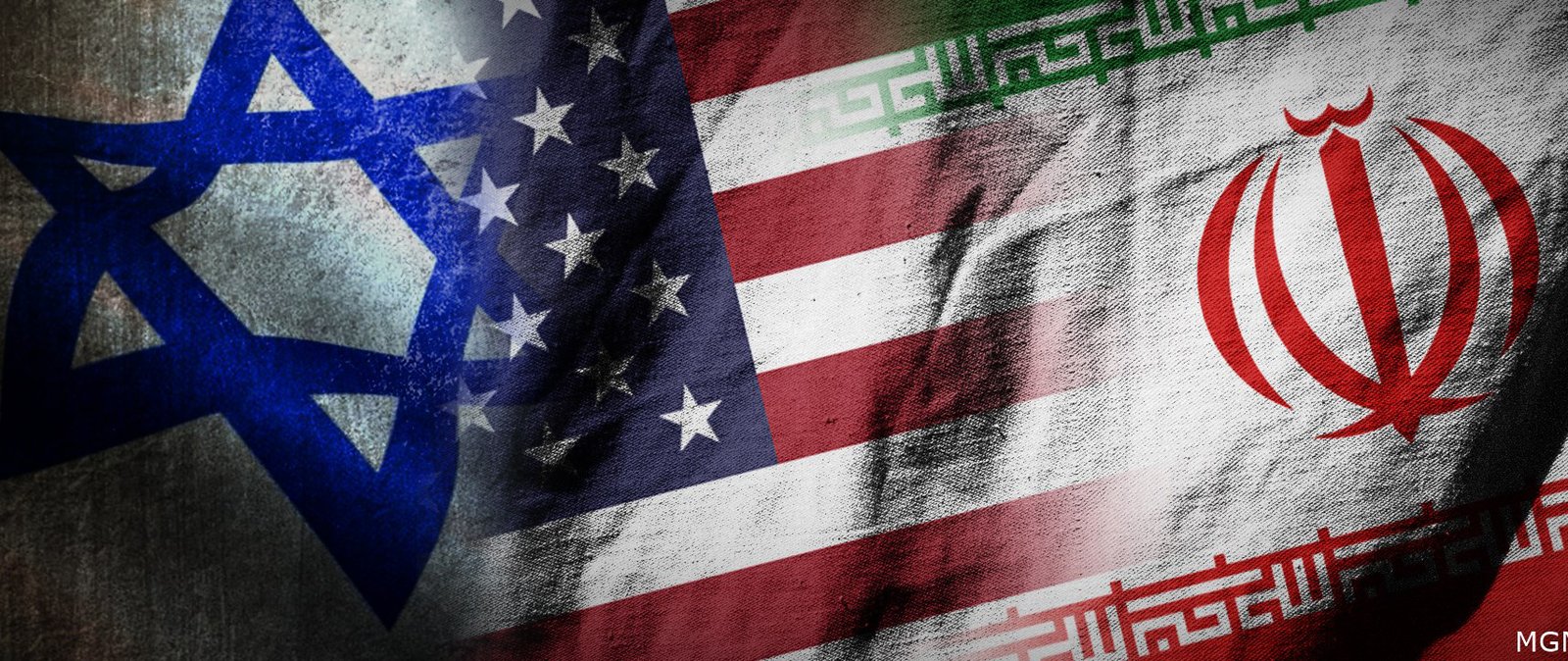
The ongoing war between Iran, Israel, and the United States represents one of the most consequential geopolitical crises in recent decades. The conflict is not merely a confrontation of armies; it is a collision of strategic visions, regional influence, and global power balances. Despite severe losses in leadership and targeted strikes by U.S. and Israeli forces, Iran has demonstrated resilience that underscores its capacity to sustain the conflict and even maintain an upper hand in several dimensions.
Since the initial strikes by the U.S.-Israeli coalition in early 2026, Iran has faced the death and injury of senior military and political figures, as well as damage to key strategic infrastructure. Conventional analysis might suggest that such losses would weaken Iran’s position, but the reality on the ground tells a different story. Iran’s response has been immediate and coordinated, involving missile barrages, drone attacks, and asymmetric operations targeting both U.S. military bases in the region and Israeli positions. This proactive posture reflects a military strategy built on decentralization, redundancy, and rapid retaliation, making it difficult for adversaries to achieve decisive results solely through leadership decapitation.
Iran’s geographic depth and regional influence also contribute significantly to its resilience. Control over the Strait of Hormuz, proximity to critical Gulf energy supply routes, and alliances with non-state actors across the region provide Iran with both defensive and offensive advantages. These factors allow Iran to project power even when conventional infrastructure is under attack, ensuring that no single strike can dismantle its operational capacity. The Iranian approach emphasizes strategic patience, leveraging both geography and networks of influence to offset technological and numerical disparities with its opponents.
Equally important is Iran’s domestic cohesion. Despite the loss of high-ranking officials, the government, military, and population exhibit a unified front, demonstrating commitment to national sovereignty and strategic objectives. This collective resolve ensures that Iran’s war efforts are not solely dependent on individual leaders but are embedded within institutional and societal frameworks. Such cohesion complicates the strategic calculations of the U.S.-Israeli alliance, as they must contend not only with Iran’s military capabilities but also with a population and political structure determined to resist external pressure.
Iran’s adversaries face multiple constraints that further highlight Iran’s comparative advantage. The U.S.-Israeli coalition, despite superior firepower and technology, must navigate complex political, diplomatic, and logistical challenges. Regional actors, public opinion, and international law limit the scope of operations, while Iran’s ability to strike asymmetrically imposes continuous costs. In addition, the protracted nature of the conflict exposes the coalition to strategic fatigue, resource depletion, and domestic criticism, factors that Iran can exploit to strengthen its bargaining position.
Economic considerations also favor Iran’s endurance. Although sanctions and strikes strain the Iranian economy, the country has cultivated alternative trade routes, stockpiles, and energy resources that enable sustained military engagement. Iran’s control over strategic chokepoints and energy corridors increases the cost of escalation for its adversaries, thereby enhancing its leverage in negotiations and regional influence. Even as the international community monitors the conflict, Iran’s ability to maintain energy exports and internal economic stability contributes to its capacity to endure extended conflict.
Iran’s strategy is not without risks. Continuous attacks, international isolation, and economic pressure pose long-term challenges. Yet the combination of geographic advantage, decentralized military strategy, regional alliances, and domestic cohesion provides Iran with a structural resilience that is difficult to counter. The deaths of leaders, while symbolically significant, have not produced a collapse in command or operational paralysis, highlighting the depth of Iran’s institutional preparedness.
From a critical perspective, Iran’s ability to sustain and potentially emerge strategically stronger from the conflict demonstrates that warfare in the 21st century is as much about networks, resilience, and political will as it is about conventional military strength. Iran has turned adversity into a rallying point, using losses to reinforce national unity, justify defensive operations, and project a narrative of resilience that complicates its adversaries’ objectives. U.S. and Israeli assumptions about rapid decapitation and tactical superiority have been challenged, suggesting that the conflict will be protracted and that Iran’s position is likely to endure.
In conclusion, while Iran has suffered significant losses, its geographic positioning, strategic depth, institutional cohesion, and regional influence provide it with a robust platform to sustain the conflict. The deaths of leaders have not translated into a strategic collapse; instead, they have reinforced Iran’s resolve and operational adaptability. For policymakers and analysts, the Iran–Israel–America war offers a critical lesson: in modern conflicts, leadership losses are rarely decisive without structural, societal, and regional vulnerabilities. Iran’s resilience exemplifies the multidimensional nature of contemporary warfare, underscoring that survival and strategic positioning are often determined by long-term planning, societal cohesion, and regional leverage rather than immediate battlefield outcomes.