
Editorial
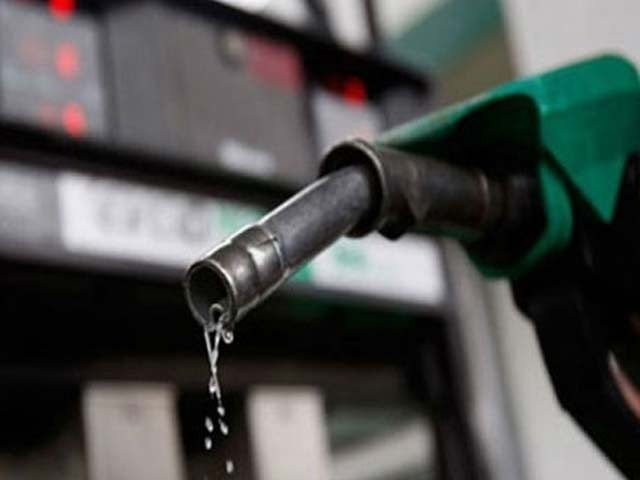
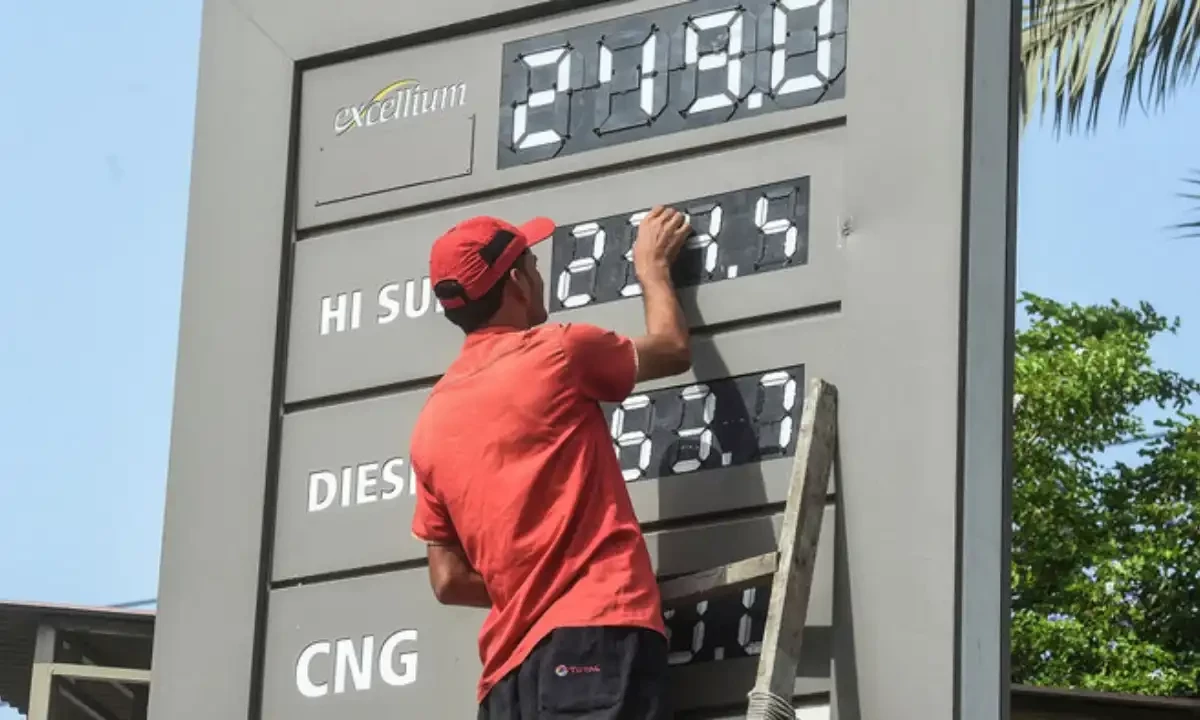
Pakistan raised petrol prices by Rs137 per litre and diesel by Rs184 per litre. The subsidy had become indefensible, consuming over Rs130 billion in a single month. Ending it was necessary. Nobody serious argued otherwise.
What was not necessary was simultaneously pushing the Petroleum Levy to Rs160 per litre, a record figure that briefly pushed Pakistan’s fuel prices into the global top tier. The stated goal was subsidy removal. What arrived was subsidy removal plus maximum taxation, delivered in the same stroke. Within 24 hours, the levy was partially reversed. The damage to credibility, however, was not so easily undone.
The diesel increase deserves separate attention. High Speed Diesel flows directly into transport and food costs. Its inflationary pass-through is immediate and hits the poorest households hardest. The pricing formula, meanwhile, continued delivering windfall gains to domestic refineries during the spike. That asymmetry is an old grievance, and it remains unresolved.
The deeper problem is structural. Over the past two decades, taxes on petroleum products have averaged roughly 15 percent of total federal revenues. The state does not tax fuel because it wants to. It taxes fuel because it has little else to fall back on. Sectors like wholesale and retail trade, which carry enormous economic weight, contribute a negligible fraction to federal revenues. The burden falls on consumption, and consumption taxes fall hardest on ordinary people.
Until that imbalance is corrected, every fuel pricing decision will carry a fiscal weight it was never designed to bear. The levy will be adjusted, subsidies will return and disappear, and formulas will be defended and attacked. None of that breaks the cycle.
Pakistan keeps going back to the pump because broadening the tax base has proven too difficult politically. That excuse is becoming too expensive to sustain.