
Editorial
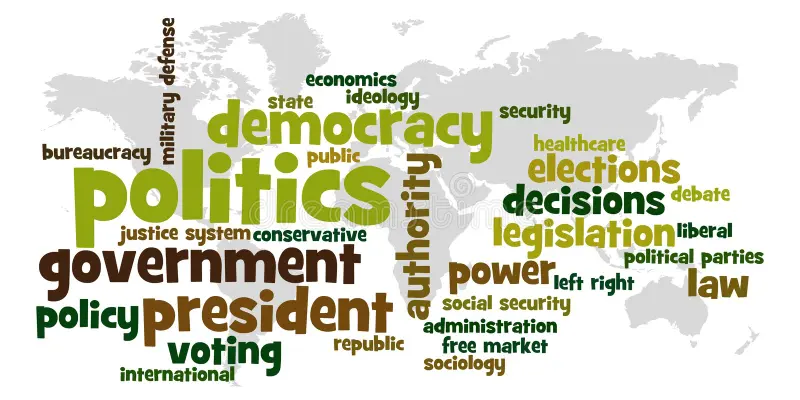
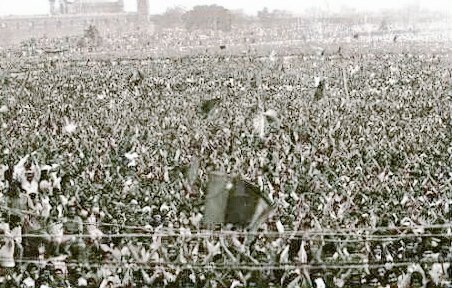
Political gatherings are events where people come together to express their opinions, support, or opposition to a certain political cause or candidate. They can take various forms, such as rallies, marches, protests, meetings, or motorcades. Political gatherings can have a significant impact on electoral politics, depending on the context, the size, the message, and the outcome of the events.
Political gatherings can mobilize and energize voters who share a common interest or identity. They can create a sense of solidarity and enthusiasm among participants and observers and motivate them to vote for their preferred party or candidate.
Political gatherings can also inform and educate voters about different parties or candidates’ issues, policies, and platforms. They can provide an opportunity for political communication and deliberation, where voters can learn about the views and positions of various actors and compare and contrast them.
Political gatherings can also shape public opinion and perception of different parties or candidates. They can generate media attention and visibility and create a positive or negative image of the actors involved. They can also influence the agenda-setting and framing of the political discourse by highlighting certain issues or problems and proposing certain solutions or alternatives.
Please, subscribe to the website of republicpolicy.com
Political gatherings can also affect the electoral process and outcome directly or indirectly. They can disrupt or facilitate the administration and conduct of elections by creating security challenges or opportunities for cooperation. They can also alter the electoral behaviour and preferences of voters by creating a bandwagon or underdog effect or by triggering a backlash or sympathy response. Political gatherings are an important form of politics. Therefore, political participation and expression can have a significant impact on electoral politics. However, the impact may vary depending on various factors, such as the context, the size, the message, and the outcome of the events. Therefore, it is important to critically evaluate each case individually and not to generalize or oversimplify the effects of political gatherings on electoral politics.
Then, in the Pakistani context, political gatherings have been significant. However, there needs to be an analytical and scientific method to measure the impact of political gatherings. In recent politics, Imran Khan has held massive gatherings, especially in 2013, but he and PTI could not produce identical results. Because it is constituency politics in Pakistan, therefore other considerations are also meaningful. Then, it does not mean that his political gatherings did not impact his politics. Many critics believe that PTI became nationwide popular when it held the Dharna in Islamabad, which connected PTI to the masses. PMLN, PPP and other political parties have also held massive rallies to disseminate their manifesto and message across.
Please, subscribe to the monthly magazines of republicpolicy.com
Lastly, Political gatherings are critical, but they are not a harbinger of electoral success. They can create a wave, but electoral techniques and methods will only translate to success. However, these are purely a mobilization process critical for movement, political rhythm and uprising.