
Editorial
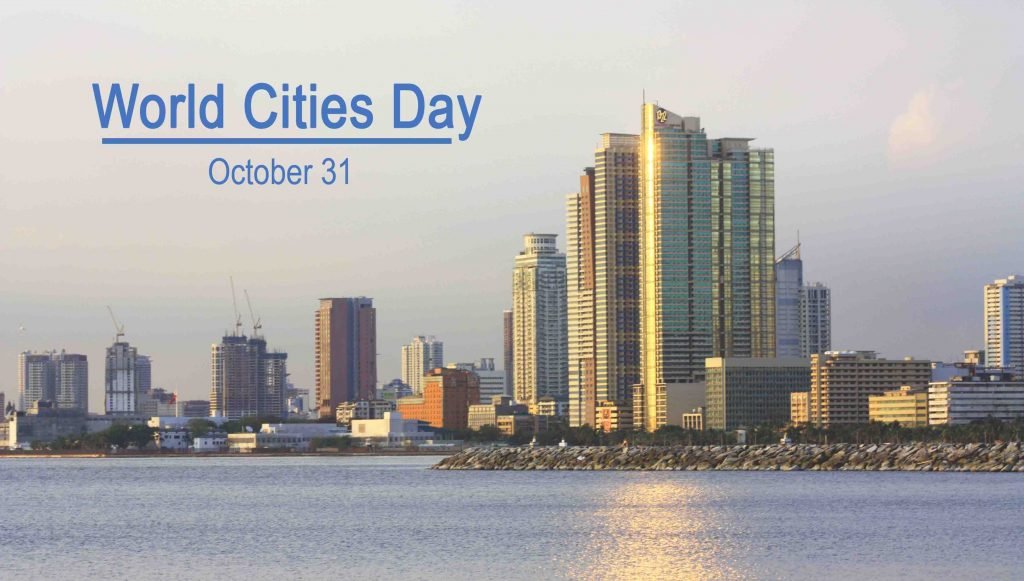
World Cities Day is a momentous occasion to raise awareness and promote the international community’s interest in global urbanization, as well as to address the opportunities and challenges of urban development. The United Nations General Assembly established the day in its resolution 68/239 on December 27, 2013 and has been celebrated annually since 2014.
World Cities Day recognizes the significance of urban basic services as a foundation for the overall social and economic development and the potential of urbanization to foster diversity and social cohesion among different classes, cultures, ethnicities and religions. The day also highlights the need for inclusive cities that ensure equal access to opportunities and benefits for all urban dwellers, especially the poor and marginalized groups. By celebrating World Cities Day, the international community can reaffirm its commitment to the 2030 Agenda for Sustainable Development and its goal 11 to make cities and human settlements inclusive, safe, resilient and sustainable.
Please, subscribe to the website of the republicpolicy.com
World Cities Day acknowledges the role of cities as engines of growth and innovation and as hubs of trade and commerce. Cities generate about 80% of global GDP and account for 60% of global energy consumption. However, cities also face many challenges, such as congestion, pollution, waste management, housing shortages, slums, inequality and poverty. World Cities Day provides an opportunity to showcase best practices and solutions for improving urban management and governance, enhancing urban productivity and efficiency, and attracting investments and financing for sustainable urban development.
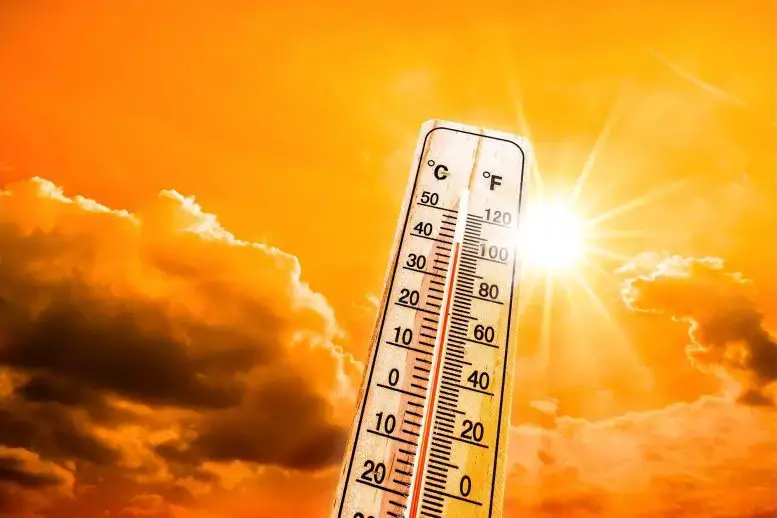
World Cities Day also emphasizes the impact of urbanization on the natural environment and climate change. Cities are responsible for 70% of global greenhouse gas emissions and consume 75% of natural resources. At the same time, cities are also vulnerable to the effects of climate change, such as rising sea levels, extreme weather events, heat waves, droughts and floods. World Cities Day calls for action to reduce the environmental footprint of cities, promote low-carbon and green urban development, increase urban resilience and adaptation to climate change, and protect and restore urban ecosystems and biodiversity.
Lastly, World Cities Day is a consequential occasion to celebrate the achievements and potentials of urbanization, as well as to address the challenges and risks of urban development. The day aims to raise awareness and mobilize action among governments, local authorities, civil society, the private sector and other urban stakeholders to work together to build better cities for all. Pakistan should also implement the spirit of the day in its city management. The cities of Pakistan need overhauling and upgradation by employing modern methods, administration, development and technology. Even the environmental factor is so important for the cities in Pakistan, as smog has already destroyed the spirit of the cities.
Please, subscribe to the monthly magazines of the republicpolicy.com