
Editorial
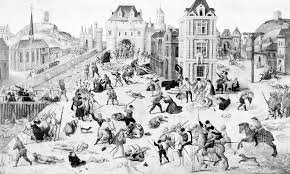
Wars fought in the name of God have never ended well for humanity. History is a long and blood-soaked testimony to that truth. Which is why the quiet but deliberate effort to frame the American-Israeli assault on Iran in religious terms deserves to be named, challenged, and resisted with intellectual honesty.
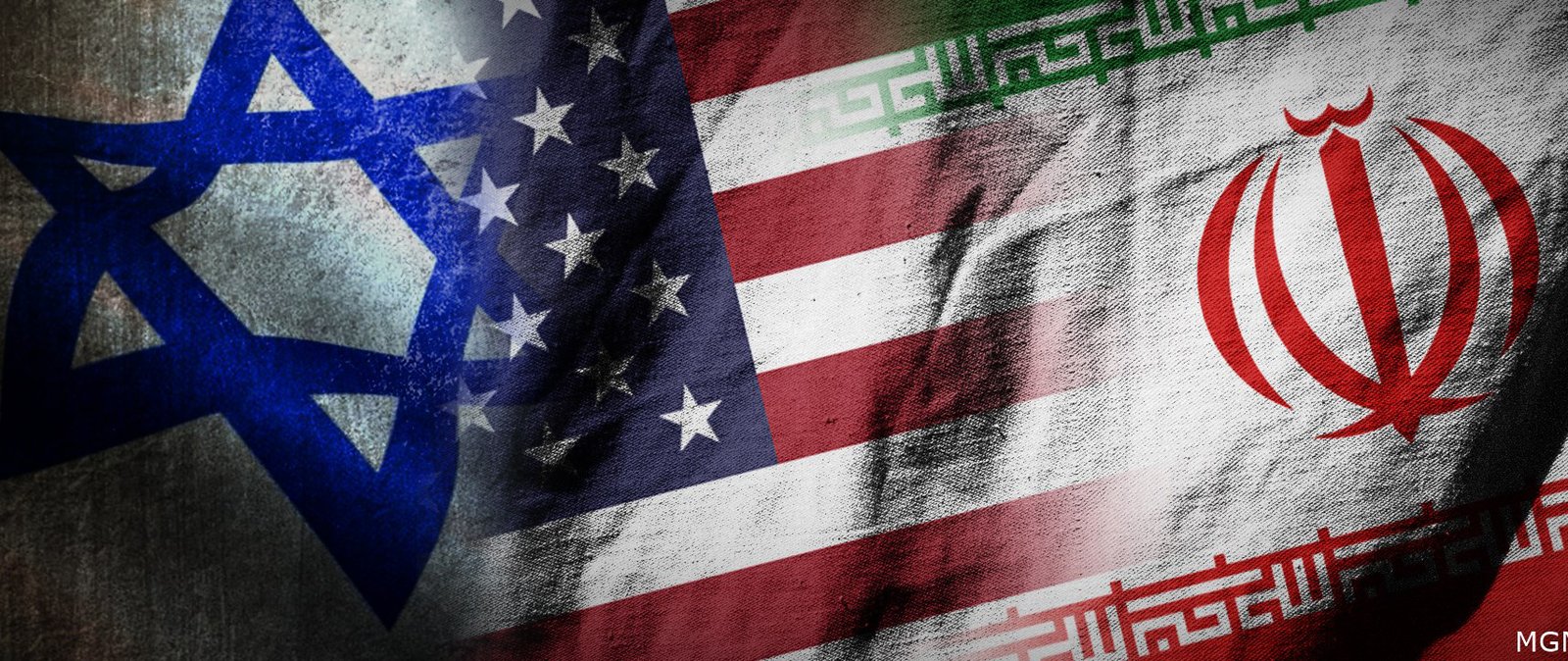
Iran is a theocratic state. Israel defines itself partly through religious identity. The United States, constitutionally secular, has a powerful domestic constituency that reads Middle Eastern conflict through a biblical lens. When these three forces converge in open warfare, the risk of the conflict acquiring a religious character, in its justifications, its rhetoric, and its popular mobilisation, becomes very real. That risk is not hypothetical. It is already present.
This matters enormously. The moment a war becomes framed as a civilisational or religious confrontation, it escapes the boundaries of political negotiation. Political disputes can be resolved. Territorial conflicts have been settled. Economic grievances can be addressed at a table. But a war presented as a divine obligation, or as a struggle between faiths, manufactures enemies without end and forecloses every exit.
The United States carries a unique responsibility here. A superpower does not merely fight wars. It shapes how wars are understood, narrated, and remembered. When Washington allows religious framing to colour its military conduct or its alliances, it does not just make a tactical error. It sends a signal to every corner of the Muslim world, and to every society already fractured along sectarian lines, that the most powerful nation on earth has chosen a side in a sacred conflict.
That is a catastrophic message to send. Power without responsibility is dangerous. Power without wisdom is civilisational recklessness. The world deserves better from those who hold it.